






When you make a purchase through links in our articles, Future and its distribution partners may earn a commission.
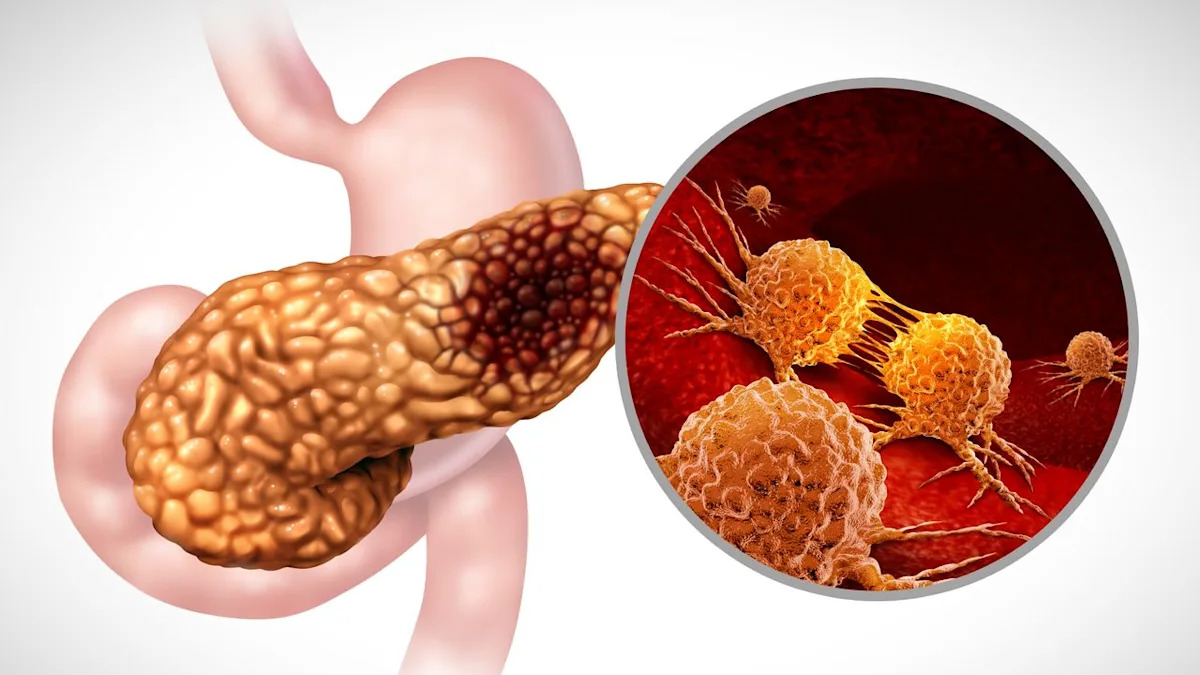
Illustration of a pancreas with metastatic cancer. | Source: wildpixel / iStock / Getty Images
What's happened
A cancer drug developed for decades significantly extended and improved the lives of patients with metastatic pancreatic cancer who had stopped responding to previous treatments, researchers reported Sunday in The New England Journal of Medicine and at the American Society of Clinical Oncology conference in Chicago. In a study of 500 patients with late-stage pancreatic cancer, those given Revolution Medicine's daraxonrasib survived an average of 13.2 months, compared to 6.7 months for those receiving chemotherapy. They also experienced fewer side effects.
Who said what?
«The long-awaited study results indicate that scientists have "cracked one of the most difficult-to-treat cancers" by blocking mutated KRAS genes, which are responsible for most pancreatic tumors, The Washington Post reported. Daraxonrasib "meets all the criteria," Dr. Rachna Shroff of the University of Arizona Cancer Center, who was not involved in the study, told the Associated Press. "After 16 years as a pancreatologist, I literally burst into tears" upon hearing these results.
What's next?
According to the AP, "dozens of experimental drugs" targeting cancer-causing gene mutations are in development, raising "optimism that this could be a turning point in the search" for new treatment options. Revolution Medicine is currently testing daraxonrasib in early-stage cancer and in combination with other treatments.