








Award-winning Jamaican filmmaker Sociecia Nixon's new film explores Jamaica's long-standing tradition of magic and spiritual healing known as obeah, which has West African roots.
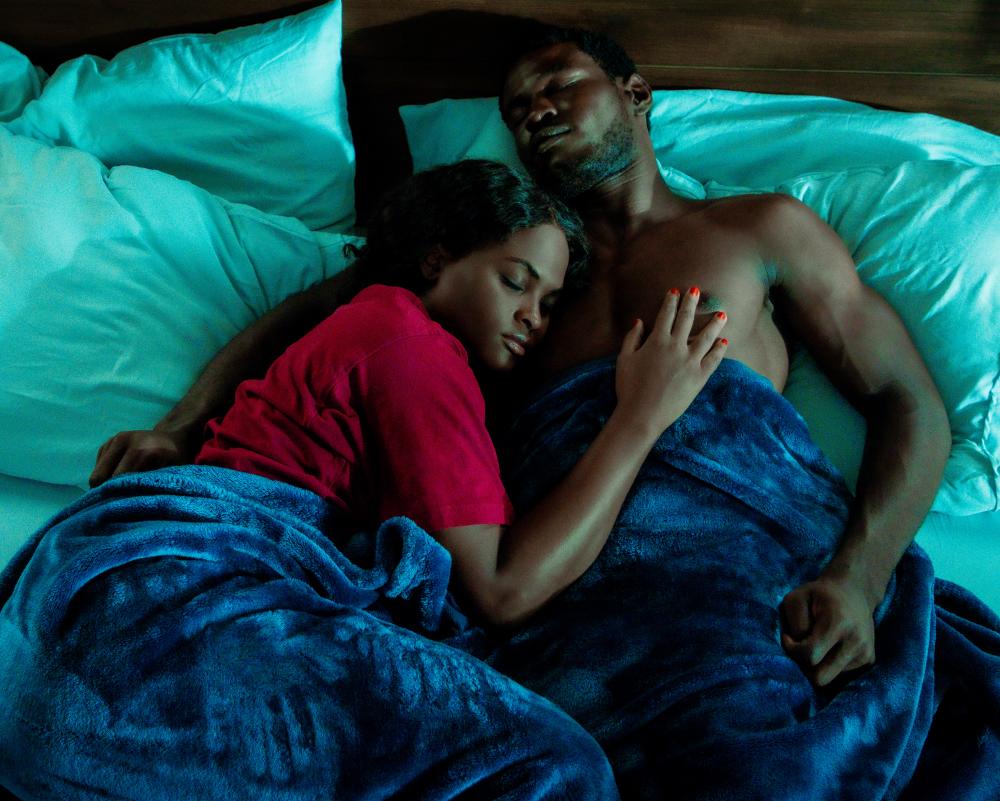
Nixon's tense, feature-length thriller, "Split Pea Stew," tells the story of Jamaican detective Tessa, who becomes obsessed with an old murder case.
Tessa's life begins to unravel when it becomes clear that her husband, Neil, has fallen under the influence of her new maid, Marcia. The story takes a dark turn with the shocking revelation that Marcia has been adding a secret ingredient to Neil's food—her menstrual blood.
«"This film explores the persistent Jamaican belief of obeah, which holds that a woman can 'bind' a man to his partner by serving him a traditional dish of beans and meat that becomes a powerful love ritual when combined with her menstrual blood," Nixon said.
Nixon hopes the film will spark a dialogue about the tension between Christianity and Obeah, which is rooted in the country's African heritage and is still practiced despite being banned by colonialists in the 1700s – and remains illegal to this day.
«"The practice of tying a person up with peas remains taboo in Jamaica, and I wanted to start a discussion. I wanted to explore this belief system in depth. Jamaicans often say that faith kills and faith heals—meaning, whatever you believe, it will happen. So does it really work?" Nixon said.
Nixon said that, being from St. Thomas, an idyllic coastal parish on the southeastern tip of Jamaica sometimes called "witchcraft parish," she was inspired by real events.
«"Growing up in St. Thomas, I had a lot of exposure to obeah ceremonies," Nixon said.
Producer and actress Ava Eagle Brown, creator of the Jamaican film festival Black River, said the film will resonate with Caribbean residents worldwide. "This film is so much of who we are, what makes us Jamaican—especially if you live abroad… it brings you home.".
Brown, who also stars in the film, added: "Some men will probably now look at their women with suspicion and ask, 'What did you put in my peas?'" she said. "But seriously, I've told my son that he should never, under any circumstances, eat peas cooked by any woman!"«
Sonja Stanley Niaa, a scholar of Jamaican culture and director of the Centre for Reparations Studies at the University of the West Indies, stated that the braised pea belief stems from the African belief that natural elements, including menstrual blood, possess inherent power. The idea, she added, was that the red beans would disguise the blood so that the man being charmed would not be able to detect it.
Stanley Nyaa welcomed the opportunity to explore various forms of African spirituality, which she says are often misunderstood after being denigrated and outlawed by European colonizers who associated them with resistance and rebellion among enslaved Africans.
«There are people of African descent in this part of the world, and we have a whole pantheon of African spirituality in our blood that we have inherited… But [today] African spirituality is not given the attention it deserves, it is not given meaning, it is not taught in schools, we are so afraid of ourselves that we neglect it,» she said.
She added: "We are currently witnessing a very deep, vibrant, and long-standing tension between Christian practices and African spirituality. Slavery was sanctioned by the Church. Therefore, some aspects of the legal framework in the Caribbean were undoubtedly dictated by the need to prohibit enslaved people from gathering or assembling for any reason, whether to worship their gods or to plan rebellions. This legal framework is very relevant today, given that the Obeah Act is still in effect in Jamaica.".
Stanley Niaah said Jamaica needs to continue to produce films that boldly represent the region, communities and culture, even as it faces complex challenges such as recovering from Hurricane Melissa.
Brown, who had to cancel this year's film festival after Hurricane Melissa devastated the Black River section where the event is usually held, echoed Stanley Niaah's sentiments, calling the Stew Peas film a "ray of hope" as Jamaica's multi-billion-dollar creative industry struggles to recover.
«I had to postpone the Black River Film Festival this year, which was a real blow as it was part of a process of connecting Jamaican creatives with the world, including contacts with major networks like Canal+ and Netflix,» she said.
She added: "The hurricane destroyed so much! It destroyed infrastructure, equipment, and for some people, hope. That's why we need projects like this that showcase Jamaican resilience and send a message to the world that we're still making music and films, infusing the entertainment industry with that quintessential Jamaican green, gold, and black.".
Jamaica's Film Commissioner, Jackie Jacqueline Jackson, said films like "Stew Peas" are "a powerful testament to the resilience, ingenuity and determination of Jamaica's creative industry.".
«"It's important to continue moving forward and demonstrating that Jamaica remains open for business. This signal encourages international film productions to return to Jamaica, which positively impacts jobs and film production costs," she added.