








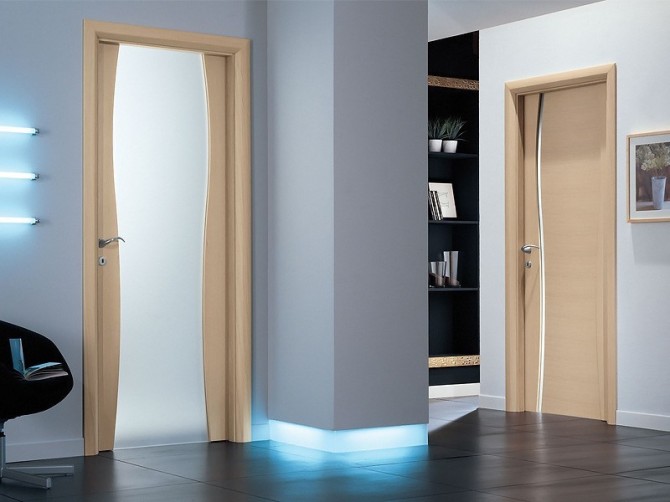
A bathroom or toilet renovation concludes with choosing a door, which is more than just a decorative element, but an important functional component. A poor choice can result in a swollen door leaf, a mold-covered frame, or constant discomfort due to poor soundproofing. Standard interior doors made of solid pine or laminated chipboard don't last long in bathrooms—they're ruined by constant temperature fluctuations, high humidity, and condensation. Today's market offers worthy alternatives that withstand extreme conditions and last for decades. We'll examine each option in detail to ensure your choice is informed and practical.

The first and most important rule: a bathroom door shouldn't just be beautiful, but also extremely moisture-resistant. Even with a powerful exhaust hood, steam from a hot shower inevitably penetrates the material. Therefore, the key selection criterion isn't the design, but the moisture resistance of the structure, frame, and trim. The second important factor is the size of the opening. In older homes, bathrooms are often very small, and a swing door opening outward can obstruct passage in the hallway. In such cases, it's worth considering sliding or folding models, which save space.
Moisture-resistant MDF doors: a balance of price and quality
Let's be clear: we're not talking about regular MDF, but a special moisture-resistant type. It's impregnated with paraffin or other hydrophobic compounds, which significantly increases its durability. Externally, these doors are often finished with PVC film or eco-veneer, which are moisture-resistant. The main advantage of this solution is its affordable price and wide selection of designs, including options with glass inserts, which visually lighten the structure.
However, there are some caveats. MDF's moisture resistance isn't absolute protection, but rather enhanced durability. With constant direct contact with water (for example, from shower splashes) or poor ventilation, even such a door can begin to warp over time. The end face of the door leaf and frame are particularly vulnerable. Therefore, during installation, it's essential to carefully seal all edges and joints with silicone sealant to create a waterproof barrier. Overall, this is a good budget option for a bathroom with adequate ventilation where the door isn't exposed to direct water.
Wooden doors: classics with conditions
Solid wood (oak, ash, beech) is a premium, breathable, and eco-friendly material. Doors made from it look solid and expensive and offer excellent sound insulation. However, only dense, specially treated wood is suitable for a bathroom. Plain, varnished pine doors will quickly deteriorate.
A high-quality wooden bathroom door should be:
- Thoroughly dried in chambers to a humidity of 8-10%.
- Impregnated with antiseptic compounds throughout the entire thickness, protecting against fungus and rot.
- It is coated not with just varnish, but with yacht or parquet varnish on a polyurethane base, which forms an elastic, moisture-resistant coating.
- The design must include ventilation channels or grilles to prevent condensation from forming inside the canvas.
Such doors are very expensive, and even with all the precautions, they require special care: periodic renewal of the protective coating and humidity control. They are best chosen for spacious, well-ventilated bathrooms in homes with constant heating, where they will become a central design element.

Glass doors: modernity and practicality
Glass is an ideal material for wet areas in terms of hygiene. It doesn't absorb moisture, rot, warp, or fade. Modern glass bathroom doors are made of tempered glass 8-10 mm thick, which is several times stronger than standard glass and, when broken, shatters into small, rounded shards that are incapable of causing serious injuries.
Buyers' main concern is transparency. This is easily resolved. Doors can be matte (sandblasted or chemically matted), tinted in any color, or decorated with a decorative film with a pattern (satin, ornamental). Also popular are silk-screen printing options—the application of a ceramic paint that fuses into the glass, making it completely durable.
- Pros: Absolute moisture resistance, durability, visual lightness, excellent light transmission (relevant for bathrooms without windows), easy maintenance.
- Cons: high price, difficult installation (requires special fasteners), visible water droplets and streaks after showering, relatively low sound insulation (depending on the thickness and type of glass).

Plastic (PVC) and metal-plastic doors
This is perhaps the most practical and rational choice for a typical apartment or cottage. The structure consists of a steel or aluminum frame covered with moisture-resistant PVC, MDF, or sandwich panels. These doors are impervious to everything: water, steam, and temperature fluctuations. They won't rust, rot, or swell. The surface is easy to clean and streak-free.
Modern plastic bathroom doors offer more than just glossy white. The profile can be painted in any color from the RAL catalog, and the finish can imitate wood or stone textures, or have a glossy finish. Decorative double-glazed windows with laminated or frosted glass are often incorporated into the door leaf. These provide excellent thermal and sound insulation, comparable to their wooden counterparts.

Opening mechanisms: what's more convenient in a bathroom?
The choice of mechanism determines not only convenience, but also space saving.
- Swing. Classic. Provides maximum sealing and sound insulation. The main drawback is that they require space in front of the door to open. In a small bathroom, this can be a problem.
- Sliding (coupe). Ideal for tight spaces, the door slides along the wall, eliminating the need for hallway space. However, they offer less sound insulation than swing doors due to the gap between the door and the wall. A perfectly flat wall is also required for mounting the track.
- Folding ("book" or "accordion"). They're the ultimate space-saver. They consist of several sections that fold when opened. They're perfect for even the tightest bathrooms. Cons: a less reliable mechanism prone to wear and tear, and poor sound insulation.
Conclusion: for a combined bathroom with a bathtub or shower stall, where soundproofing and steam protection are important, it's best to choose a high-quality hinged door made of plastic, moisture-resistant MDF, or glass. For a separate toilet with a very small area, consider a sliding or folding door. In any case, don't skimp on hardware (hinges, handles, locks) – durability and quiet operation depend largely on them.