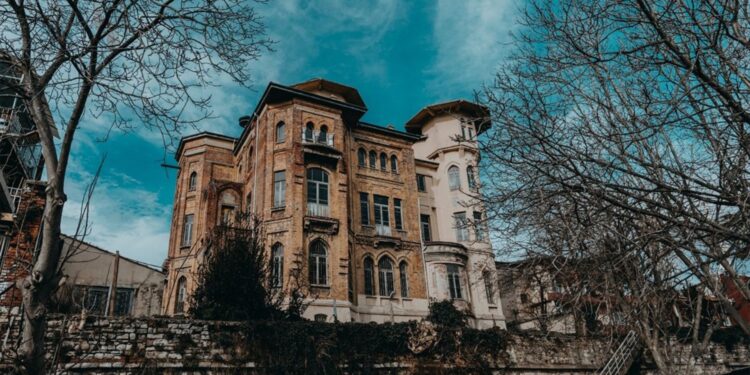
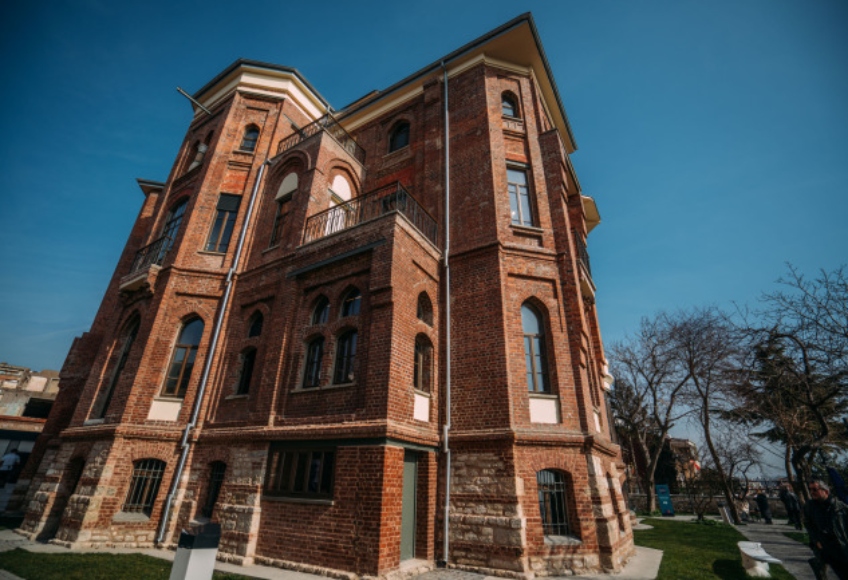
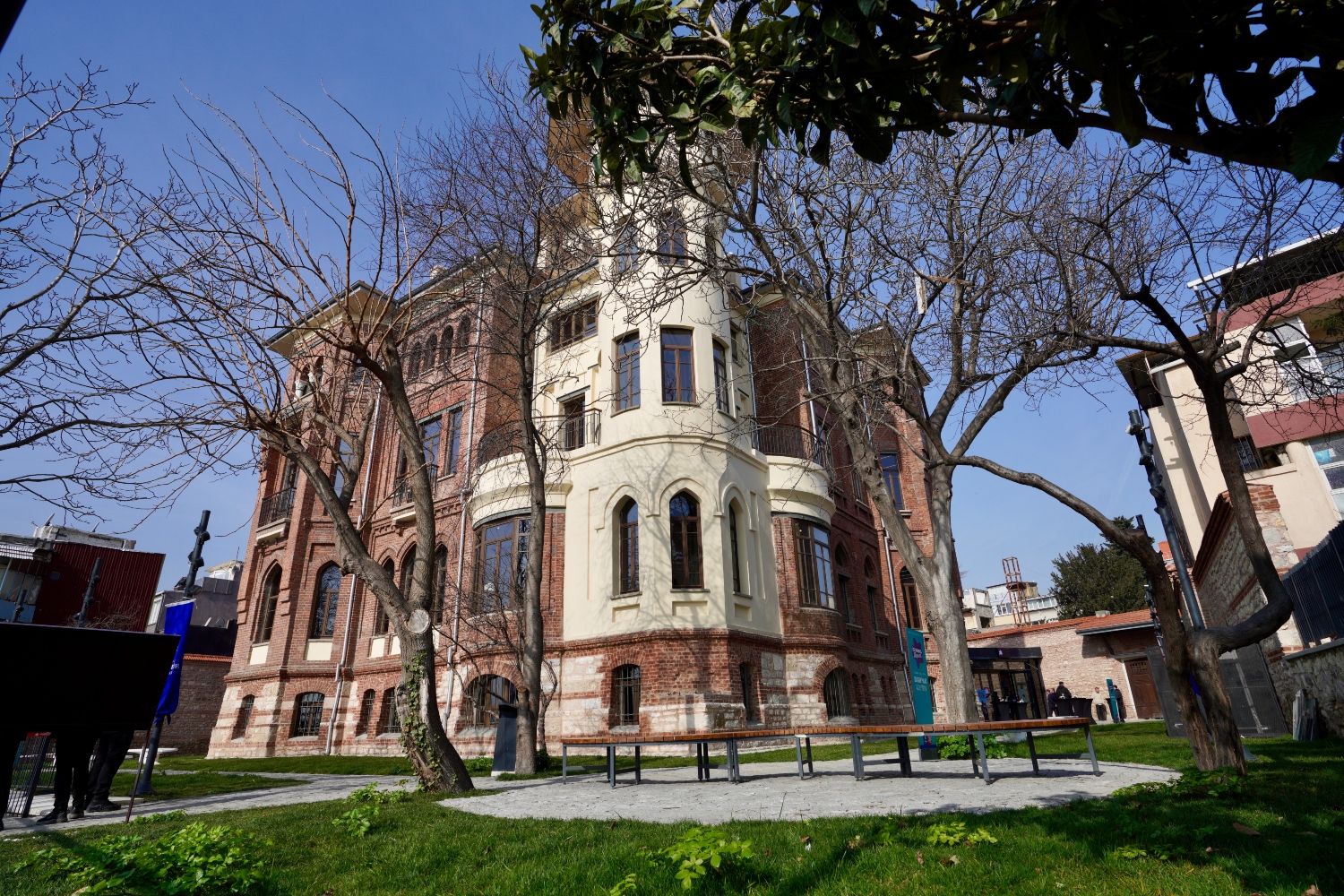
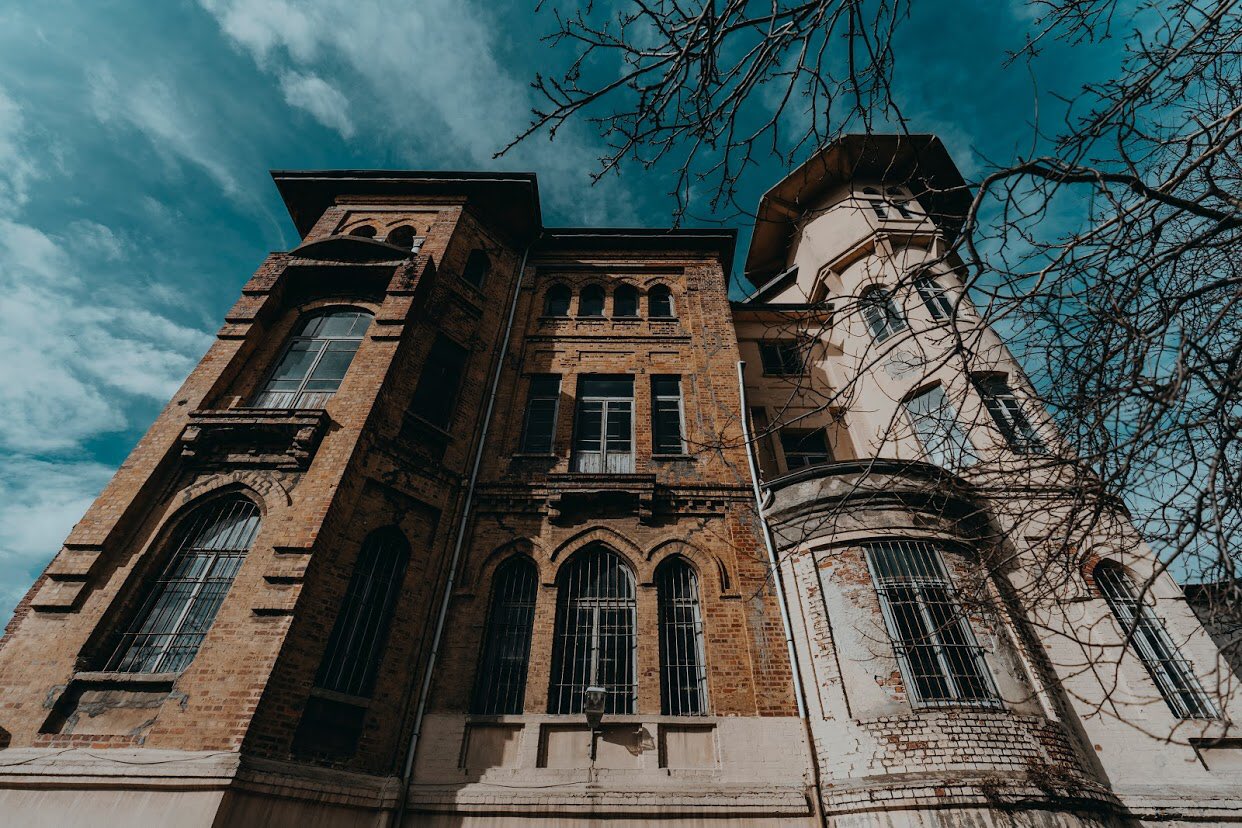
Istanbul, the capital of both the Byzantine and Ottoman empires, has long been one of the most important cities in the world. The city boasts priceless artistic and cultural treasures, bearing the marks of hundreds, even thousands, of years of history. Of course, this ancient city is also home to numerous valuable architectural structures of great historical value. One of these is the Bulgur Palace. Bulgur Palace continues to captivate those who visit it with its history, legends, and legendary beauty. Here's what you need to know about the mansion built on the seventh hill of the city of seven hills.
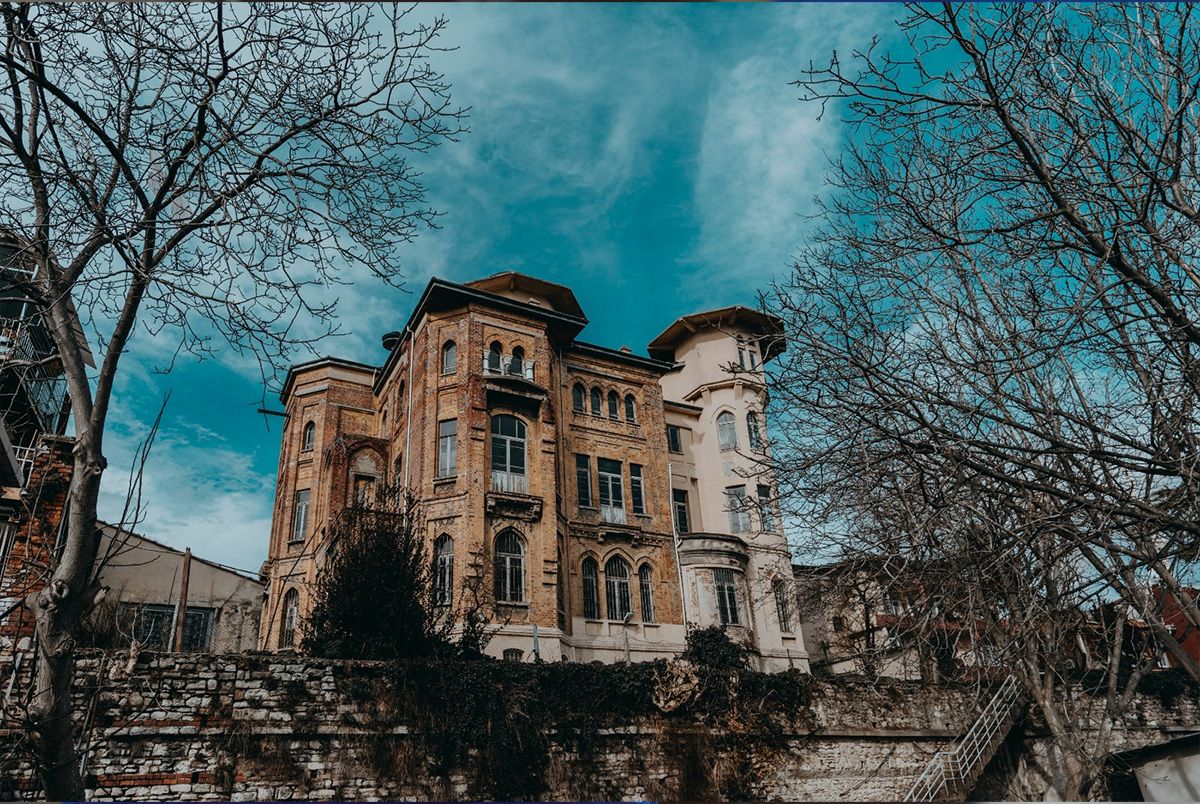
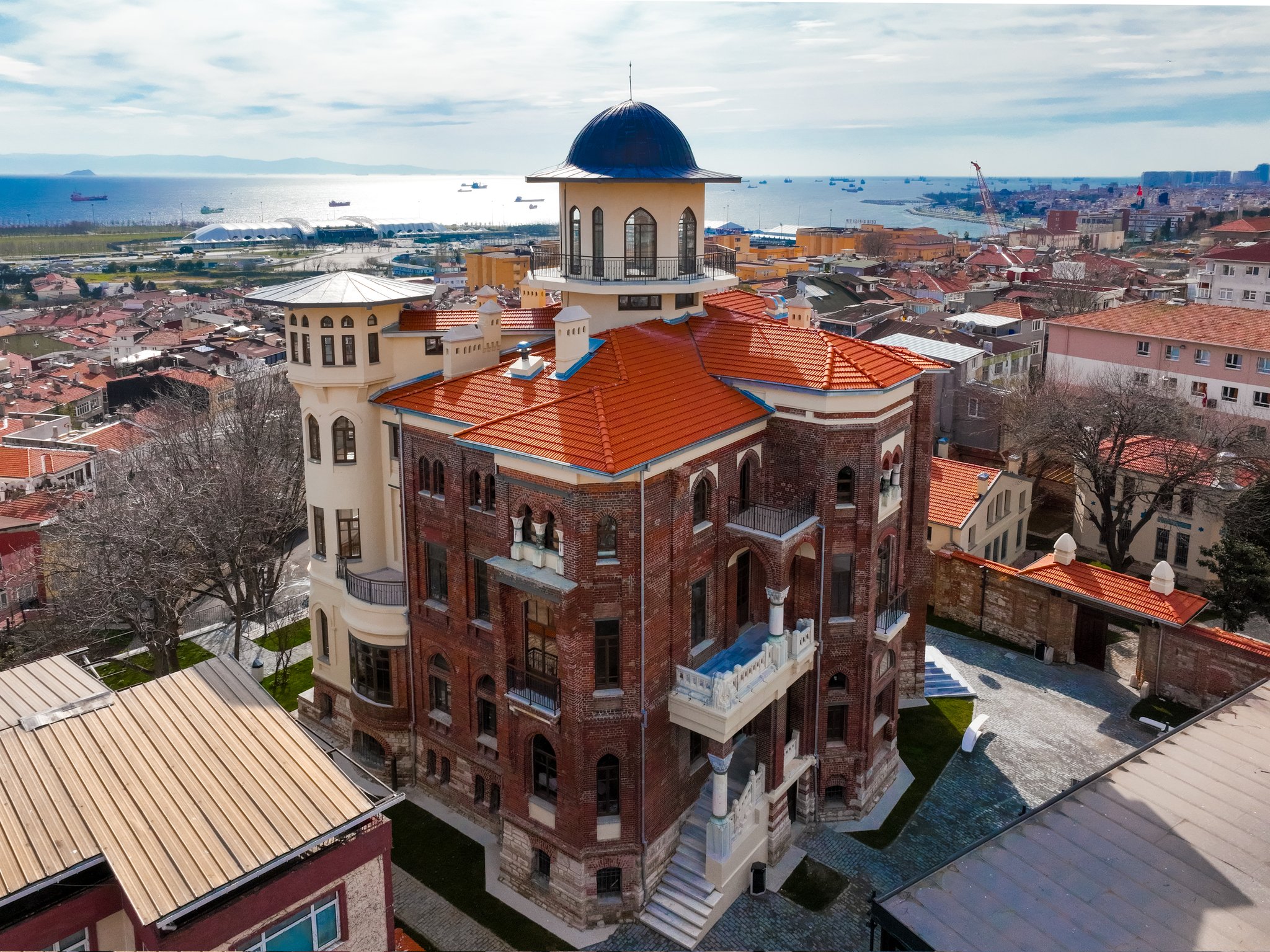
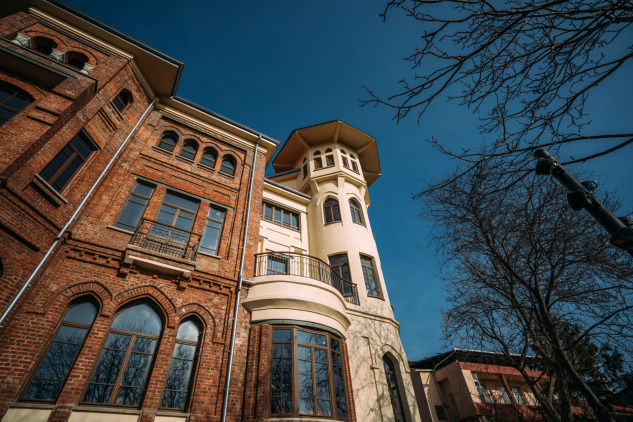
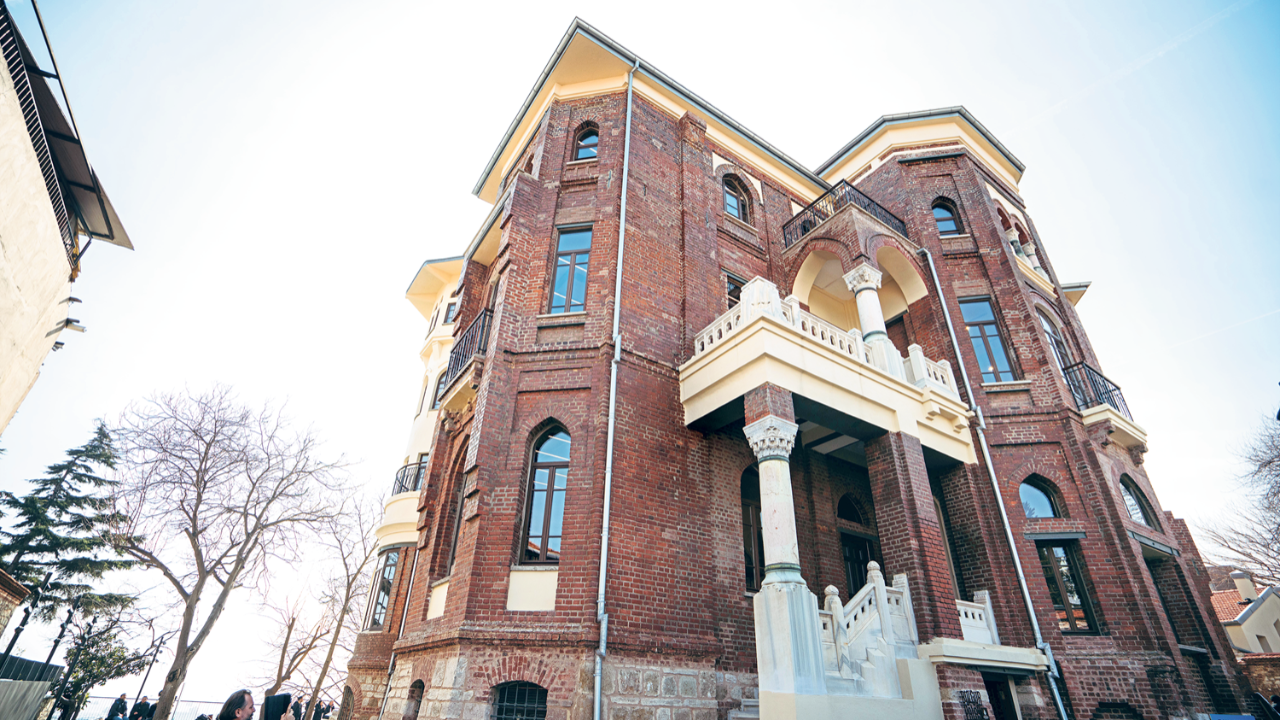
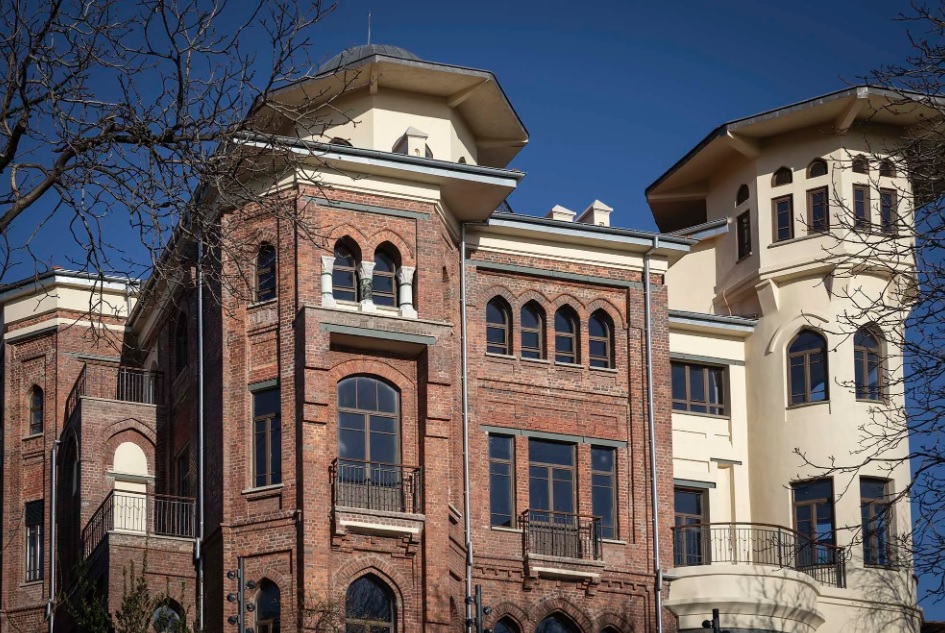
Built on the seventh hill of Istanbul, Bulgur Palace is one of the most important historical mansions in the city.
What makes this mansion special is not only its unique beauty.
Bulgur Palace has an extremely interesting history.
Let's explore the extraordinary history of this ancient mansion together and find answers to questions such as: where is Bulgur Palace located and what interesting events does the history of Bulgur Palace contain?
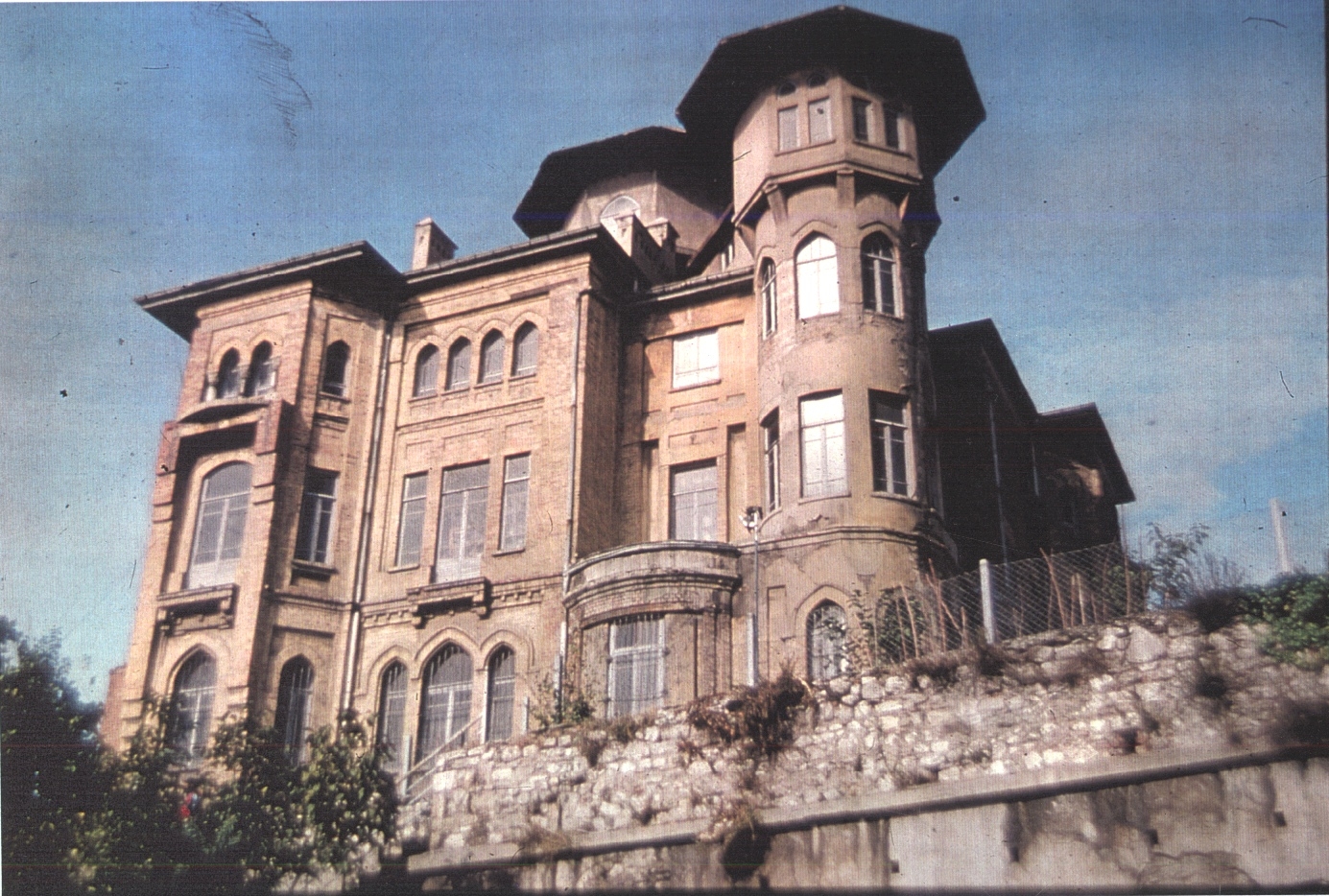
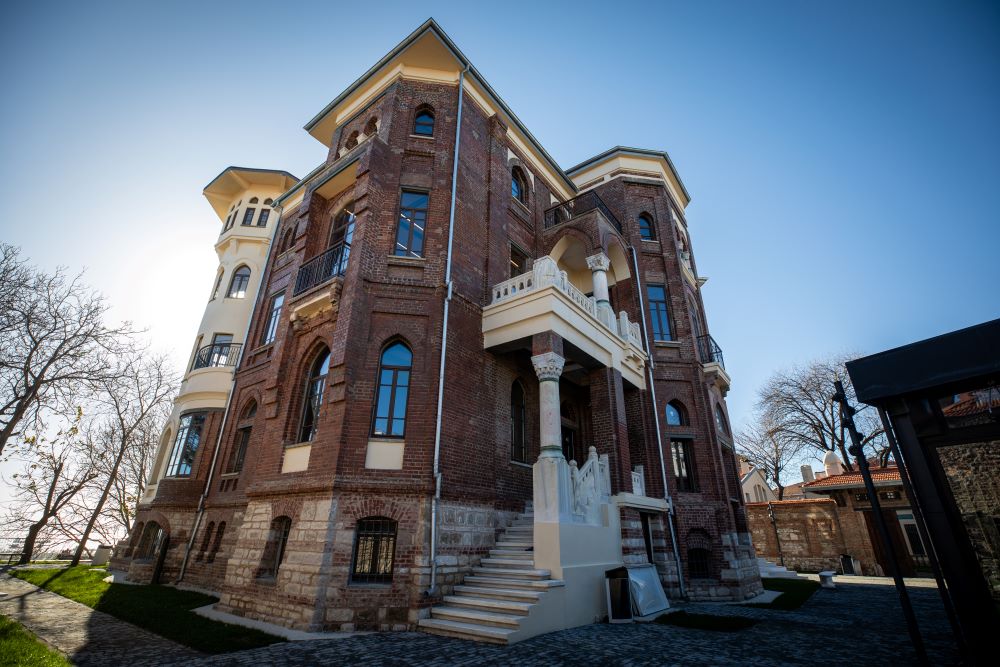
Construction of the Bulgur Palace began in 1912. The architect of the mansion, which would become one of the city's most important cultural assets, was Italian Giulio Mongeri.
This historic mansion is considered one of the most successful examples of the First National Architectural Movement.
The movement, also known as the Neoclassical Turkish Style, was a very popular architectural style between 1908 and 1930. Giulio Mongeri was one of its most important representatives. The "revival" of Ottoman architectural elements was one of the movement's main principles, aiming to create a local style and national synthesis in architecture. For this reason, traditional elements, and especially ornamentation, found in Ottoman architectural works were often used in buildings influenced by the First National Architectural Movement.
The man who built Bulgur Palace was Mehmet Habib Bey.
Mehmet Habib Bey, a key figure in the Committee of Union and Progress and a member of parliament in Bolu in 1908, was the man who built this charming mansion and its first owner. For this reason, the Bulgur Palace's real name is "Habib Bey's Mansion." The answer to the question of why it's called Bulgur Palace lies in the fascinating history of this unique structure.
The mansion was known to the public as the Bulgur Palace, as Mehmet Habib Bey was involved in the bulgur trade.
Mehmet Habib Bey is known to have amassed a considerable fortune through the bulgur trade. So much so that in his time, he was often referred to as the "King of Bulgur." For this reason, the mansion he built in his own name, construction of which began in 1912, was known to the public as the Bulgur Palace.
The history of the Bulgur Palace is full of interesting details.
For example, the mansion, whose foundation was laid in 1912, took many years to build. The reason it remained unfinished was the exile of Mehmet Habib Bey. Mehmet Habib Bey, arrested at the request of the Allied powers during his captivity in the capital for being a Unionist, was exiled to Malta. Construction on the mansion resumed after Mehmet Habib Bey's return to Istanbul.
This magnificent mansion has become a major source of controversy in the occupied capital.
This magnificent structure with 81 independent sections, 1,750 square meters of open space, 3,750 square meters of closed space, 1,000 square meters of outbuildings and a 9 square meter decorative pool was the talk of the town among the poor of Istanbul.
However, during this same period, Mehmet Habib Bey's fortunes also began to decline. His family faced enormous debts.
After the death of Habib Bey in 1926, his wife Bediye Hanim was forced to hand over this magnificent building to the Ottoman Bank in exchange for her debts.
Afterward, the mansion served as an archive center, a canary house, and a residence for Ottoman Bank employees. While canaries were bred for branches in the building's basement, three apartments were allocated to the employees. Furthermore, the archive houses valuable documents covering a long period of our country's history; it became an institutional structure with important data in various fields, such as banking, law, and public life. However, the history of Bulgur Palace did not end there.
In 2001, Ottoman Bank merged with Garanti Bank, thus transferring ownership of Bulgur Palas to Garanti Bank.
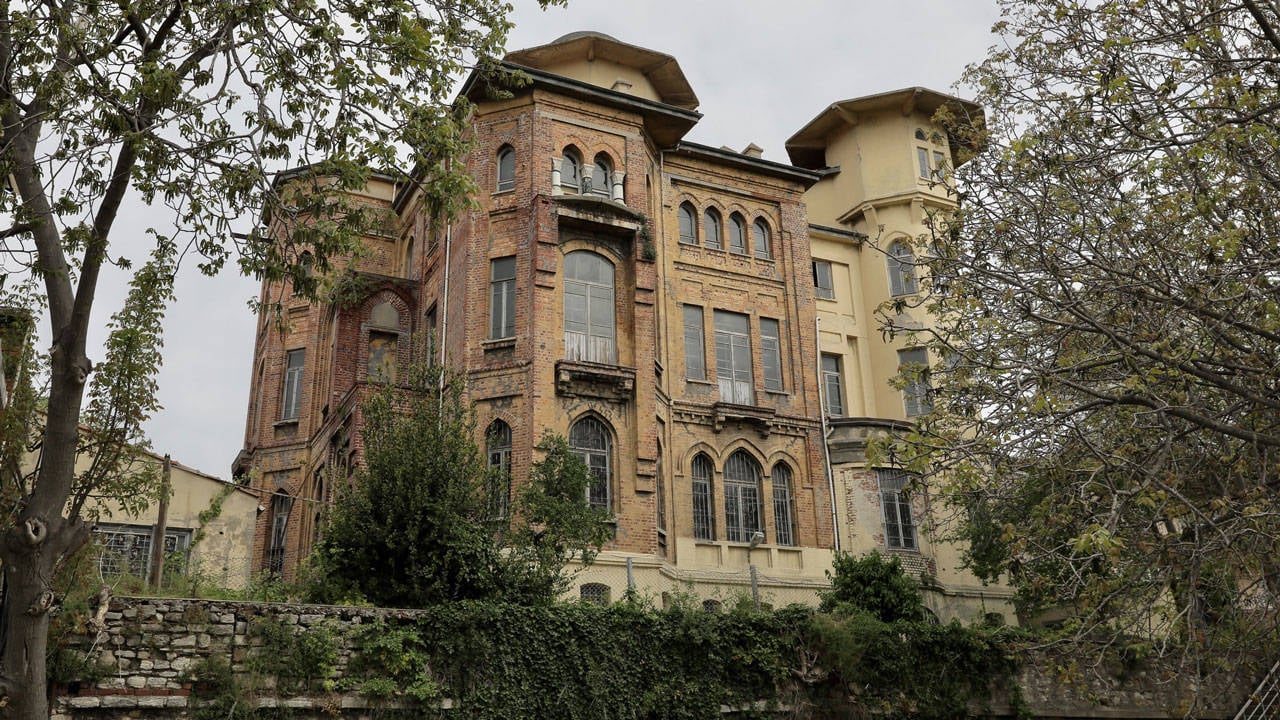
The mansion, one of the most important works of civic architecture in Istanbul, continued to exist as private property, closed to the public. However, during this period, it was, in a sense, "abandoned to its fate." Bulgur Palace ceased to be a magnificent mansion of legendary beauty and became a dormant, abandoned, and eerie structure. Until 2021.
Bulgur Palas was acquired and restored by the Istanbul Metropolitan Municipality in 2021.
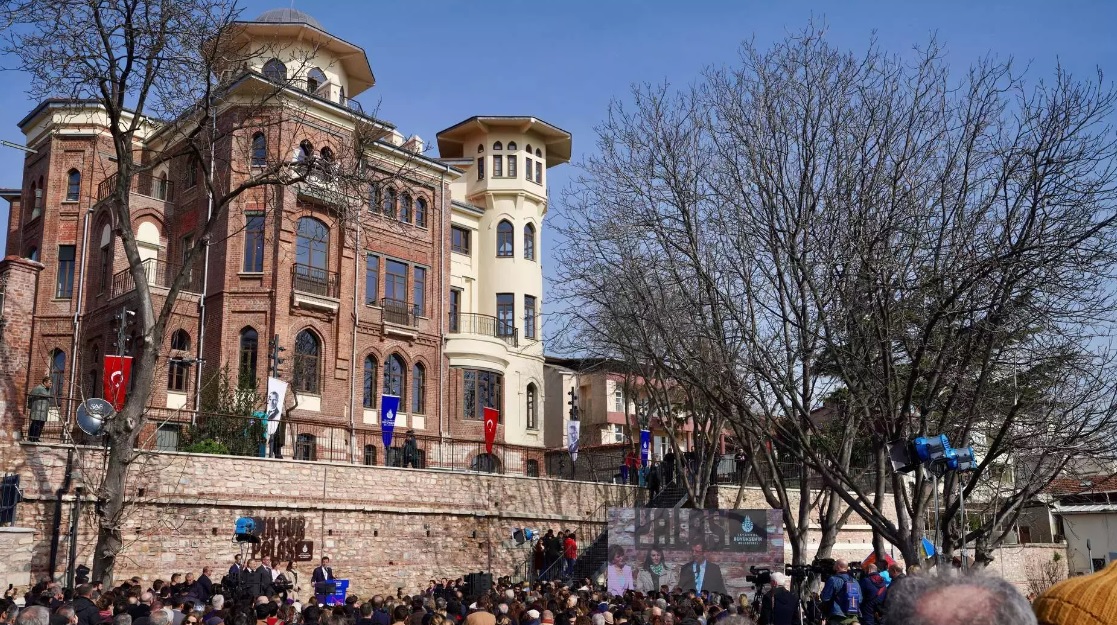
The history of Bulgur Palace has been expanded! This precious building, restored by the Istanbul Municipality and restored to its former magnificent appearance, was inaugurated in 2024 and handed over to the people of Istanbul.
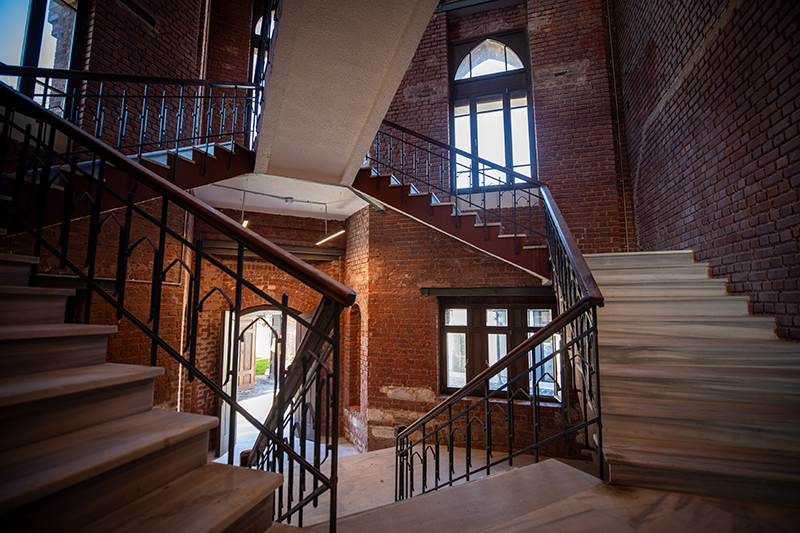
The mansion, which stood empty until 2021, now serves as a cultural and residential complex after three years of restoration work.
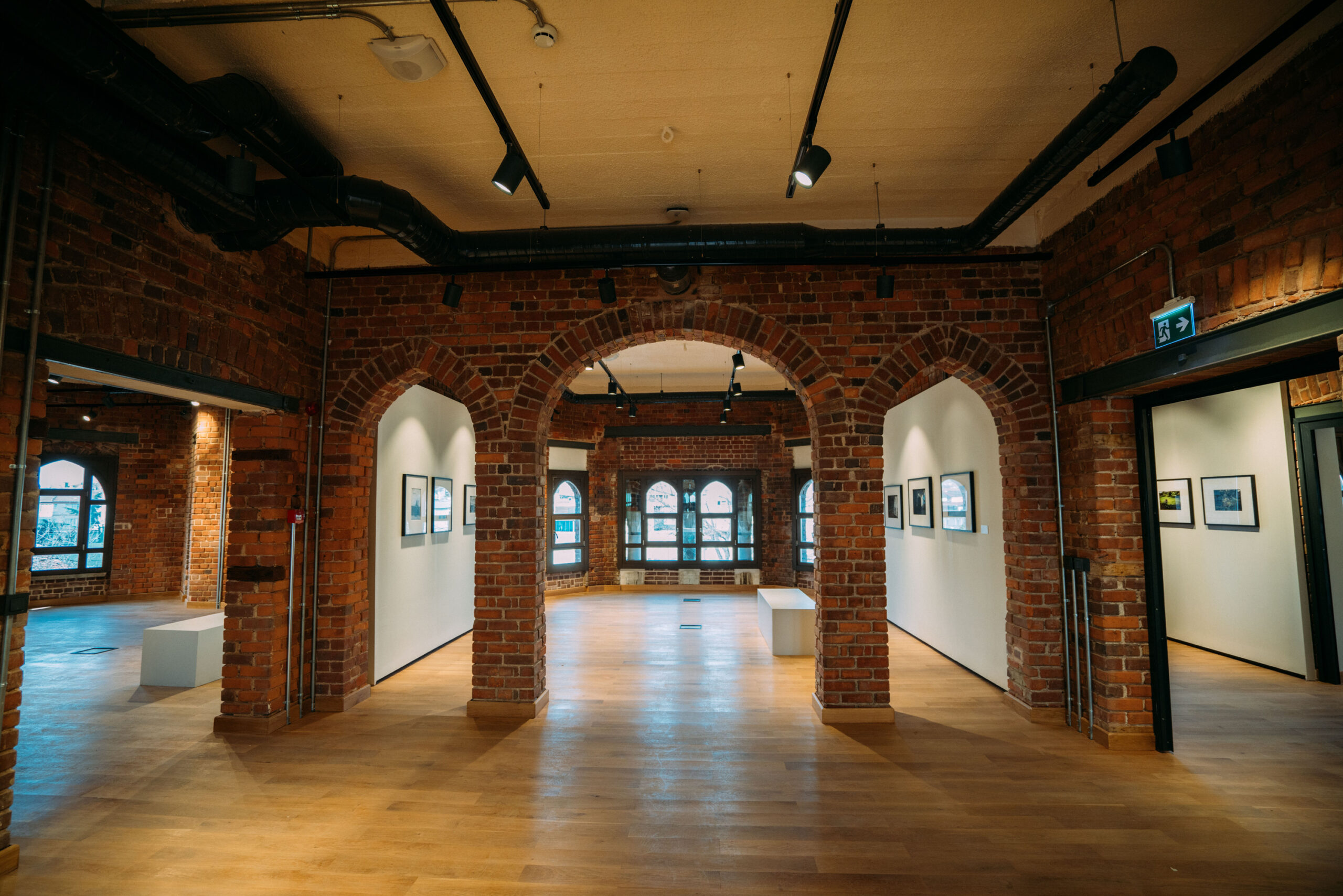
The building, which is open to visitors after restoration by KİPTAŞ, includes a viewing terrace, a library, exhibition halls, a café, and multi-purpose event areas.
Where is Bulgur Palace located?
Those visiting from outside Istanbul are especially interested in knowing the answers to questions such as where Bulgur Palas is located and what neighborhood it's in. Let's be clear: the historic mansion, perched on Kocamustafapaşa Hill, considered Istanbul's seventh hill, is located in the Aksaray neighborhood of Istanbul's Fatih district.
10 Historical Landmarks Created by War Whether used to commit evil or to liberate from the chains of tyranny, wars have played an integral role in human history. Exploring this truth...
10 Islands in Canada You Must Visit Canada offers a wide variety of tourist attractions and landmarks. These islands offer a great getaway, a cool atmosphere for relaxation, and the perfect way to enjoy your vacation.
10 Historic Travel Destinations That No Longer Exist If you have a list of travel destinations you really want to visit, it might be time to do so as soon as possible. There are quite a few natural and cultural...