









As serene and inviting as the ocean floor may seem, remember that this environment is also very dangerous. Some of the world's deadliest creatures can be found in the sea or on the bottom of our oceans. Surprisingly, not all of them meet your expectations in size. Some of the world's deadliest marine animals can be the size of a baseball, while animals like tiger sharks can reach 5 meters in length. Here's a look at the deadliest sea creatures living in the water. This list is subjective, but we took the time to conduct research here to find out which creatures from the deep ocean floor evoke the most compelling combination of aggression, fear, genuine pain, or even death in humans.
Sea snake
Even though classified as a terrestrial species, the sea snake remains the most venomous snake on the planet. The amount of venom a sea snake can inject is enough to render a king cobra a harmless earthworm, while just a few milligrams of its venom are potent enough to kill up to a thousand people! Sea snakes, also known as hydrophone or coral reef snakes, are a subfamily of venomous, clumsy snakes. Although descended from terrestrial ancestors, most are adapted to aquatic life and cannot move on land. They are commonly found in the waters of Southeast Asia and Northern Australia.
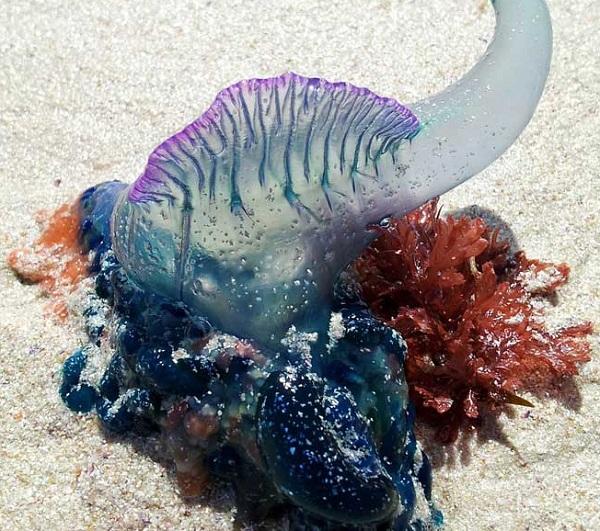
Marbled cone snail
The brightly colored shell of the marbled cone snail tempts people to pick it up, unaware that this animal is one of the most venomous marine creatures in the world. The marbled cone snail can be found in the waters of Okinawa, the southern tip of India, and the southeastern parts of New Caledonia and Samoa. The marbled cone snail uses its harpoon-like proboscis to sting its prey and potential predators with a deadly mixture of neurotoxins.
It uses its deadly harpoon to paralyze its prey, devouring it at leisure. A bite from one of these cone snails can be fatal, as the venom causes muscle paralysis and respiratory failure. There is currently no antidote for cone snail bites. Instead, various treatments can be used until the toxin wears off. So the next time you see this beautiful shell on the beach, be sure to steer clear.
Stonefish
The stonefish has to be one of the ugliest fish I've ever seen. It doesn't attack, but you don't want to step on it. It's typically found in shallow tropical waters and is distributed throughout the Pacific Ocean, Indian Ocean, Red Sea, and the Great Barrier Reef. It's unappealing with its rock-like skin. Its venom, in fact, causes intense pain and can sometimes lead to shock, paralysis, tissue death, and death if left untreated. It can also lead to other complications if treatment isn't sought promptly, and its pain is so excruciating that the victim may be in danger of requesting amputation of the affected limb.
Saltwater crocodile
The saltwater crocodile is found on the east coast of India, Southeast Asia, extending south to northern Australia, and the east coast of Africa. The saltwater crocodile is a fearsome and adaptable predator, capable of taking down virtually any animal that enters its territory. It is an ambush predator, waiting for the right opportunity to strike. Its teeth are designed not to tear flesh, but to hold onto prey, reducing the animal's chances of escape. These characteristics allow the crocodile to catch and drag the animal into the water, where it then swallows the prey whole or tears it apart. The saltwater crocodile is considered the most dangerous crocodilian species to humans.
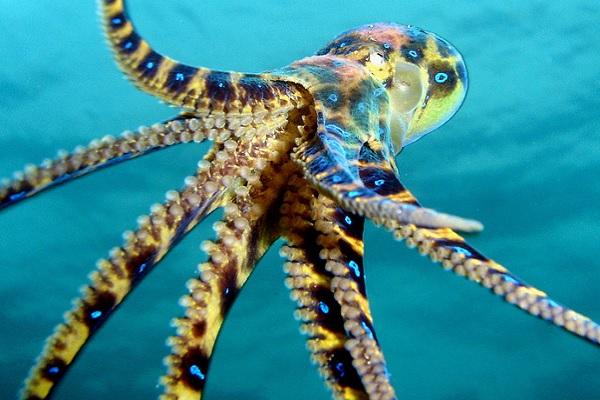
Blue-ringed octopus
Measuring no more than 8 inches in length, the blue-ringed octopus is endowed with enough venom to kill a human—in fact, they have enough venom to kill nearly 30 people in just a few minutes. They are recognized as one of the most venomous sea creatures in the world. Despite their small size and relatively docile nature, their venom is 10,000 times more potent than cyanide. The blue-ringed octopus's bile will cause paralysis, and if not treated immediately, it will inevitably lead to death. You may also be shocked to learn that the bite itself is painless, meaning you may not even realize you've been injected until you experience symptoms. Since the blue-ringed octopus only bites when provoked, keeping your distance is the best treatment, especially since there is no antivenom for this deadly sea creature.
A box of gummies
The box jellyfish (also known as the sea wasp) is a highly dangerous creature native to northeastern Australia. The jellyfish has an extreme 60-minute lifespan on its tentacles, which, upon contact with a human, can stop cardiorespiratory function within three minutes. According to the US National Jellyfish Foundation, 20 to 40 people die from box jellyfish stings each year in the Philippines alone. Box jellyfish contain enough venom to kill 60 adults in a short time. Its venom attacks the heart, nervous system, and skin cells, making it considered one of the deadliest in the world. It is so excruciatingly painful that people have been known to go into shock and drown or die of heart failure before even reaching shore.

Sea lion
Sea lions are characterized by external ear flaps, long front flippers, the ability to walk on all fours, and short, dense fur. They are trainable and a major attraction at zoos, but have been known to bite people. Sea lions are generally playful; however, they can be territorial and dangerous, especially during mating season. Although they are trainable, they may also attack people. Some local scientists say sea lion behavior is unpredictable and can suddenly become aggressive.
Fugu fish
Fugu (puffer fish) contains a toxin that is fatal to humans. A single fugu contains enough toxin to kill 30 people, and there is no antidote. Ironically, this fish is considered a delicacy in Japan, despite the fact that one bad cut means certain death.
Fugu fish contains a poison that is fatal to humans. This deadly poison, called tetrodotoxin (TTX), is found in this fatty fish. This toxin is considered more potent than cyanide and is enough to kill 30 people at once. It causes breathing difficulties before death.
Catfish
Surprised? Yes, they seem very innocent, seemingly harmless and peaceful with their cute little whiskers. On the other hand, they can be very dangerous, especially if provoked. Catfish respond to threats by withdrawing three spiny spines from their dorsal and lateral fins. You might also be interested to know that their venom can remain active even after death.
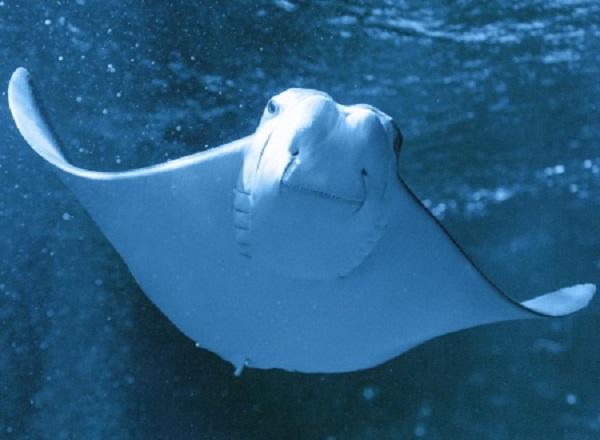
Stingray
As deadly as the stingray is, it only attacks in self-defense, perhaps when accidentally stepped on. To attack, it must be directly in front of its prey, allowing it to flick its long tail from behind and then strike its victim from the front. The mechanism is that the stingray strikes with its tail, and the force with which the stinger enters the victim's body causes the stinger's protective sheath to rupture, releasing venom into the wound. But the attack doesn't end there: since the venom is lethal, removing the stinger from the victim's body can be very rough, rough enough to cause death.