






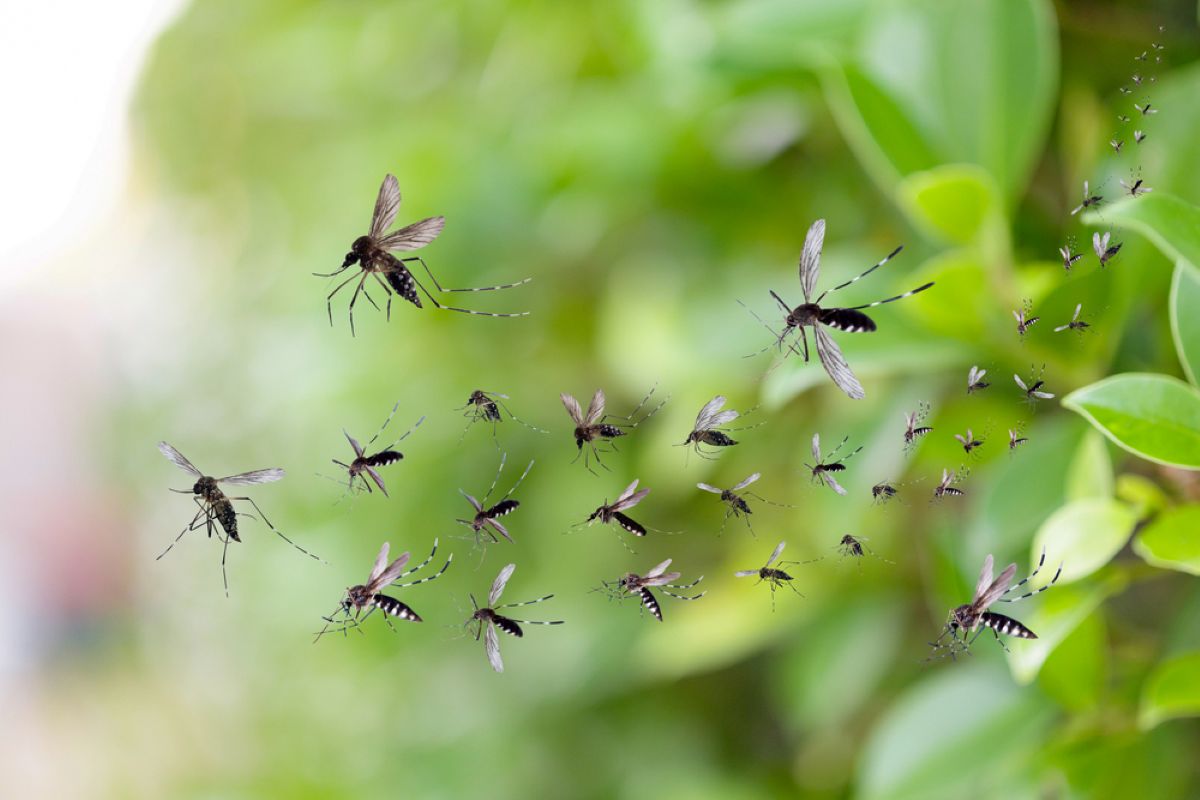
You've probably seen the headlines about Google releasing millions of "infected mosquitoes" into American communities. Before you start planning your underground bunker, here's what's really going on: Alphabet's healthcare subsidiary , Verily, wants to get EPA approval for placement 32 million laboratory-bred male mosquitoes carrying Wolbachia bacteria . These are not disease-spreading biological weapons, but rather tiny flying contraceptives for the mosquito population.
The scientific explanation behind scary headlines
Wolbachia It sounds ominous, but it's a naturally occurring bacteria already found inside countless insects worldwide, including many mosquitoes, butterflies, and bees. Think of it more as a probiotic for mosquitoes than an infection. When males carrying Wolbachia mate with wild females, their eggs usually fail to hatch. This is biological population control, not biological warfare.
The mosquitoes released are exclusively male (females are the ones that bite during backyard barbecues). Verily uses AI-powered visual sorting and automated breeding systems to separate the sexes on an industrial scale, producing more 6 million mosquitoes weekly for international projects. The target here is not the usual annoying mosquitoes, but species of the genus Culex , which carry West Nile virus and St. Louis encephalitis.
Why are tech companies breeding mosquitoes en masse?
It's not Google's search division that's getting out of control - it's Debug program Verily, launched in In 2016 To combat mosquito-borne diseases using engineering rather than chemical methods. Traditional insecticide spraying kills indiscriminately, pollutes waterways, and becomes less effective as mosquitoes develop resistance.
Debug's approach utilizes insect sterilization methods successfully used for decades against agricultural pests, but with Silicon Valley-level automation and precision. 32 million mosquitoes aren't released simultaneously, like in some dystopian snow globe. The EPA permit covers:
-
16 million in Florida in the first year
-
16 million in California for the second year
Regulatory Compliance Check
The Environmental Protection Agency treats this like any experimental pesticide application, requiring risk assessments, environmental impact studies, and public comment periods. Verily can't simply decide that its area needs fewer mosquitoes—the federal permit could be denied or restricted based on safety concerns.
This biological approach is fundamentally different from genetic modification projects such as Oxitec's GMO mosquitoes . Debug uses existing bacteria rather than modified DNA, making their method less controversial and potentially more scalable.
We're not just seeing innovations in pest control—tech companies are expanding their reach, moving from disrupting digital markets to transforming biological systems. The question isn't whether Wolbachia bacteria works (international trials show promising results), but whether you're comfortable with Alphabet literally changing the ecosystem around your home.
From the coolest cars to must-have gadgets, GadgetReview's daily newsletter keeps you up to date. Subscribe—it's fun, fast, and free.