








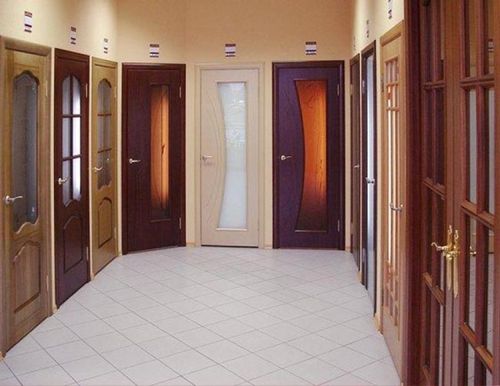
When renovating an apartment, you want to think through every detail, and the bathroom is no exception. The door to this room is more than just a decorative element; it's a vital functional barrier that daily resists moisture, steam, and temperature fluctuations. Choosing the right door affects not only aesthetics but also durability, comfort, and even the microclimate in adjacent rooms. Today's market offers a huge variety of models, and navigating this diversity without professional help can be challenging. I've been installing interior doors for many years and am ready to share my practical insights so you can make an informed choice and avoid common mistakes.
The main requirement for any bathroom door is resistance to moisture. While in a living room, design may be the primary consideration, here technical specifications come first. Constant exposure to steam and splashing water is a serious challenge. Material not designed for such conditions will quickly become unsightly: it will swell, warp, or become moldy. Therefore, the first thing to consider is the moisture resistance of the door leaf and frame. Manufacturers usually mark such models with special symbols or include this feature in the description.
Selection criteria: what to look at first
In addition to moisture resistance, it's worth evaluating the door based on several key parameters. Good soundproofing is crucial, especially if the bathroom is separate and located next to the living room or bedroom. No one wants to share all the sounds with their family members. The door should also ensure adequate ventilation: too tight a fit between the door leaf and the frame will restrict air circulation, leading to moisture stagnation and mold growth. Conversely, large gaps will create drafts and reduce privacy. Ideally, a uniform gap of 2-3 millimeters around the entire perimeter is ideal.
- Canvas material. This is the basics. Not all options are suitable for damp rooms. Natural wood, especially softwoods like pine, will quickly deteriorate without multi-layer protective treatment. Moisture-resistant MDF panels with a PVC or enamel coating, as well as all-plastic models, are much more practical. Glass is an excellent moisture-resistant option, but it's not suitable for everyone psychologically and requires careful maintenance to prevent streaks.
- Box design. Often underestimated, the frame is the first to bear the brunt of moisture. It should be made of the same moisture-resistant material as the door leaf, or even have additional protection, such as silicone seals around the perimeter. A frame made of ordinary wood, even painted, can swell in constant damp conditions, causing the door to become unresponsive.
- Opening type. For small bathrooms, a classic swing door isn't always practical—it eats up valuable space. In such cases, it's worth considering sliding door systems or folding models like a book or accordion. These save space, but their mechanism must be of very high quality and moisture-resistant, otherwise it will quickly fail.
- Dimensions. A standard doorway is 60-70 cm wide and 190-200 cm high. However, in older homes and with custom layouts, the dimensions can vary significantly. A good rule of thumb: before going to the store, take three measurements (top, middle, and bottom) of both the width and height of the doorway. Take the smallest measurements. Remember that some clearance will be required for installation.

A detailed analysis of the materials: pros, cons, and pitfalls
Let's take a closer look at the most popular materials to determine which one is right for you. Each option has its own specific features, cost, and maintenance requirements. Experience shows that there's no perfect material for every situation—there's just one that's optimal for specific conditions and budgets.
Moisture-resistant MDF and plastic (PVC)
This is perhaps the most popular and practical choice for a city apartment. The high-density MDF core is covered with PVC film or veneer, and the ends are carefully sealed. This door is steam-resistant, easy to clean, offers good sound insulation, and is available in hundreds of designs—from imitation wood to glossy, single-color panels. An important detail: pay attention to the quality of the edge. If the edge is poorly fitted or made of cheap material, moisture will eventually find a way in, and the MDF inside will begin to deteriorate.

Solid wood
Doors made of oak, beech, and other hardwoods are classic, prestigious, and have a special atmosphere. They are durable, environmentally friendly, and offer excellent sound insulation. However, bathrooms require higher standards. The wood must be treated with a preservative and coated with several layers of moisture-resistant varnish or paint, covering all sides, including the edges and bottom. Even so, such doors require more careful maintenance and humidity control. High-quality models are quite expensive.
Tempered glass
Modern frosted, tinted, or patterned glass is a perfect solution for contemporary interiors in high-tech, loft, or minimalist styles. It's completely moisture-resistant, fade-resistant, and easy to clean, visually expanding the space. Modern glass panels are tempered, making them safe—if struck hard, they shatter into small, blunt shards. Cons: this option is colder to the touch, requires perfectly level installation, and water droplets and streaks are constantly visible on the surface.

Installation Tips: Mistakes to Avoid
Even the most expensive and high-quality door can be ruined by careless installation. Bathroom installation has its own subtleties that are often overlooked. First, never install the door flush with the finished floor. A gap of 1.5-2 cm is required to ensure proper air circulation and to guard against possible leaks. This gap is then covered with a decorative threshold or trim. Second, the fasteners and the frame itself should not come into direct contact with water. If the walls in the area where the door is installed are frequently wet (for example, near a shower stall), it's worth additionally waterproofing the slopes.
- Preparing the opening. It must be cleared of old foam, leveled, and treated with a primer containing antifungal additives. Installing the frame on uneven walls will result in distortion and opening problems.
- Foaming. Use only low-expansion foam designed for doors and windows. Regular foam can expand and significantly distort the frame. Apply the foam sparingly, lightly moistening the surface with water first to ensure proper curing.
- Gaps. After installation, check the gap between the door leaf and the frame for uniformity around the entire perimeter. It should be uniform (approximately 3 mm). Excessively tight movement or friction in certain areas indicates a misalignment.
- Fittings. Bathroom handles, hinges, and locks should be made of stainless steel, brass, or chrome-plated metal. Cheap silumin will quickly tarnish and deteriorate. The lock or latch mechanism should also be corrosion-resistant. It's best to choose a lever-type handle—it's easier to open with a wet hand than a knob-type handle.

Color and Design: How to Integrate a Door into Your Interior
Choosing color and style is a matter of taste, but a few practical tips will help achieve a harmonious result. If the bathroom is separate (the bath and toilet are next to each other), it makes sense to match the doors—this will create a sense of order. In a small, dark bathroom, a light door, especially a glossy one, will visually add light and space. White, cream, and light gray are all safe options. In a spacious room, you can play with contrasts: a dark door against a light background looks very stylish and modern.
It's important that the door matches not only the wall finish but also the color of the plumbing fixtures and key accents. For example, if you have chrome faucets, it's best to choose chrome door hardware as well. If the interior features wooden accents (shelves, cabinets), a door in the same color will look harmonious. Don't try to match the door to the tiles exactly—a slight difference in hue will only highlight the texture of the materials. It's much more important that the overall color scheme of the room be balanced.

Ultimately, choosing a bathroom door is a balance between aesthetics, functionality, and budget. Don't skimp on the quality of the material and hardware, as this door is subject to extreme stress every day. Carefully inspect the model you choose, check the quality of the finish on the edges, and ask the seller about the presence of a protective coating. A properly selected and professionally installed door will last for many years, maintaining its appearance and reliably protecting your space from moisture and noise, making daily activities truly comfortable. Remember that even a small scratch on a poor-quality finish can become a source of damage over time, so quality craftsmanship is often more important than a striking design.