








A properly selected battery isn't just a guarantee of reliable engine starting. It's also essential for the stable operation of all electronic systems, and in the case of motorcycles, it's a safety issue. But how can you find the right battery for your vehicle among the myriad models, brands, and specifications? How can you avoid making a mistake and overpaying? In this article, we'll explore how to quickly and correctly select a battery for your car or motorcycle, what to look for, and where to find one with minimal effort.
Online battery selection for your car: convenient, accurate, and error-free
If you don't want to delve into tables, compare specifications, and risk money, the easiest way is to use a battery selection service based on your car brand or parameters. There are numerous tools and online services available where you can simply enter your car or motorcycle details, and the system will automatically suggest suitable battery models based on capacity, starting current, dimensions, and polarity type. This is especially convenient if you don't want to delve into the details or are simply unsure of the intricacies of choosing.

Why is it important to select a battery?
It seems like a battery is just a "box with current," and any battery with a similar voltage will do. But that's a myth. An incorrectly selected battery can not only quickly fail but also damage the electronics of a car or motorcycle.
Here are the main parameters that are important when selecting:
- Capacity (Ah) — an indicator of how much energy the battery can store. Insufficient capacity means the car won't start in cold weather.
- Starting current (A) — determines the current the battery can deliver during starting. This is especially important for diesel and winter starts.
- Dimensions and types of terminals — the battery must physically fit into the standard location, and the terminals must match the mountings.
- Polarity — direct or reverse. Confused — short-circuited wiring.
- Type of technology — standard lead-acid, AGM, or gel. For modern cars with start-stop systems, AGM is often mandatory.
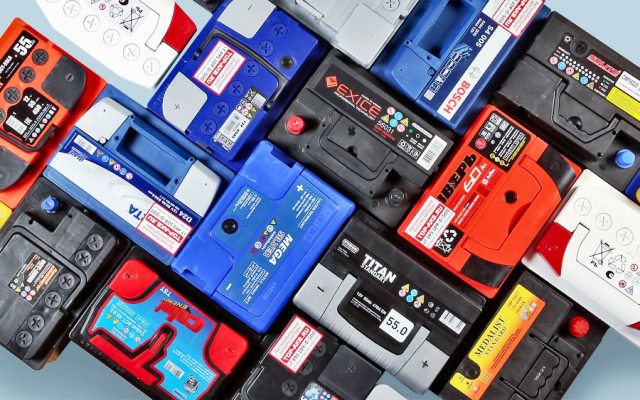
Features of choosing a battery for a passenger car
For passenger cars, it's important that the battery meets the manufacturer's specifications, but also has a small reserve in terms of starting current and capacity—especially if you live in a region with cold winters or are often stuck in traffic with the headlights, heater, and audio system on.
What is important to consider:
- It is recommended to take a battery with a small «safety margin» - up to +10% capacity from the factory recommendation.
- Make sure the battery supports a "quiet" charging mode to avoid sulfation.
- Don't forget about the warranty - reliable manufacturers provide from 2 to 5 years.
Selecting a battery for motorcycles: here things are even more subtle
For motorcycles, ATVs, and scooters, it's important to consider vibration resistance, compact dimensions, and often the presence of special terminals or a non-standard housing shape. There's no room for error in selection here.
Peculiarities:
- The capacity can be from 3 to 18 Ah - selected strictly according to the instructions.
- AGM technology is often used due to its increased resistance to shock.
- It is important to select the appropriate voltage (6V or 12V), otherwise you simply won’t be able to start the equipment.
Self-discharge current is particularly critical for motorcycle batteries; winter storage requires either constant recharging or selecting a battery with minimal capacity loss when not in use.
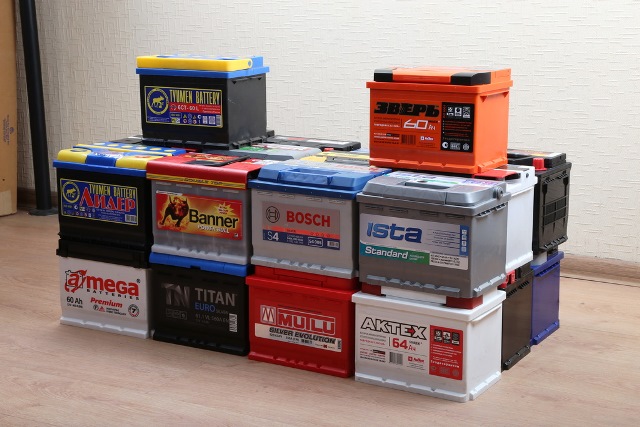
Select by brand or by characteristics?
Many people ask: is it worth paying extra for a brand? The answer is: it depends on the goals.
When to choose a branded battery:
- You have a car with a lot of electronics.
- You want minimum maintenance and maximum service life.
- You plan to drive all year round, including in severe frosts.
When you can save:
- The car is used infrequently or only in summer.
- You monitor the charge level and are ready to look after the battery manually.
- The main thing is compliance with the parameters, not the logo.
How to avoid making mistakes when buying
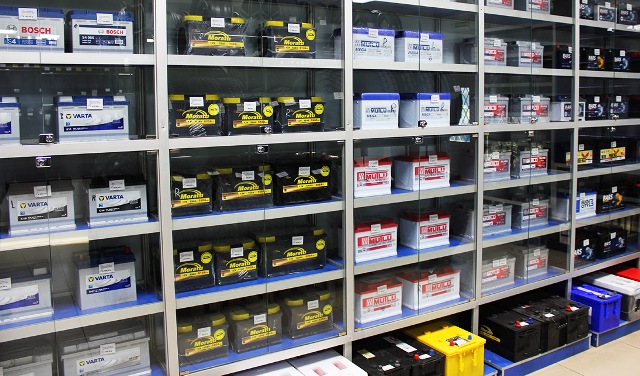
- Check the production date: A fresh battery is always better. A battery that's been sitting in a warehouse for more than a year may have lost some of its capacity. Look for the production date (usually stamped on the casing or painted on).
- Compare warranties: Reputable brands offer a warranty of 2 to 4 years. If the manufacturer limits it to just one year, be wary.
- Don't buy by eye: Many people try to select a battery simply by size, but this is a mistake. Even if it fits, the specifications may not be suitable for your car or motorcycle.
If you do everything correctly, the battery will last 4-6 years, and you will forget about problems with starting the engine even at -30.
Let's sum it up
Choosing a battery isn't something you should just eyeball. The right choice affects not only comfort but also safety, especially in cold weather or on long trips. Don't complicate your life: choose a battery using online services. Simply enter your vehicle details and quickly get a list of suitable models from trusted brands.
Remember: the right battery not only means a confident start, but also peace of mind on the road.