Owls are a species of bird distinguished by their distinctive features. This makes them among the most curious creatures in nature. Many people have limited knowledge about owls. However, while owls' characteristics are not a mystery, they are quite surprising and impressive. We've compiled a wealth of information for you, especially about owls. Here's some information about owls.
«What you need to know about the Scottish Fold cat, the epitome of cuteness with its curled ears and multi-colored eyes.»
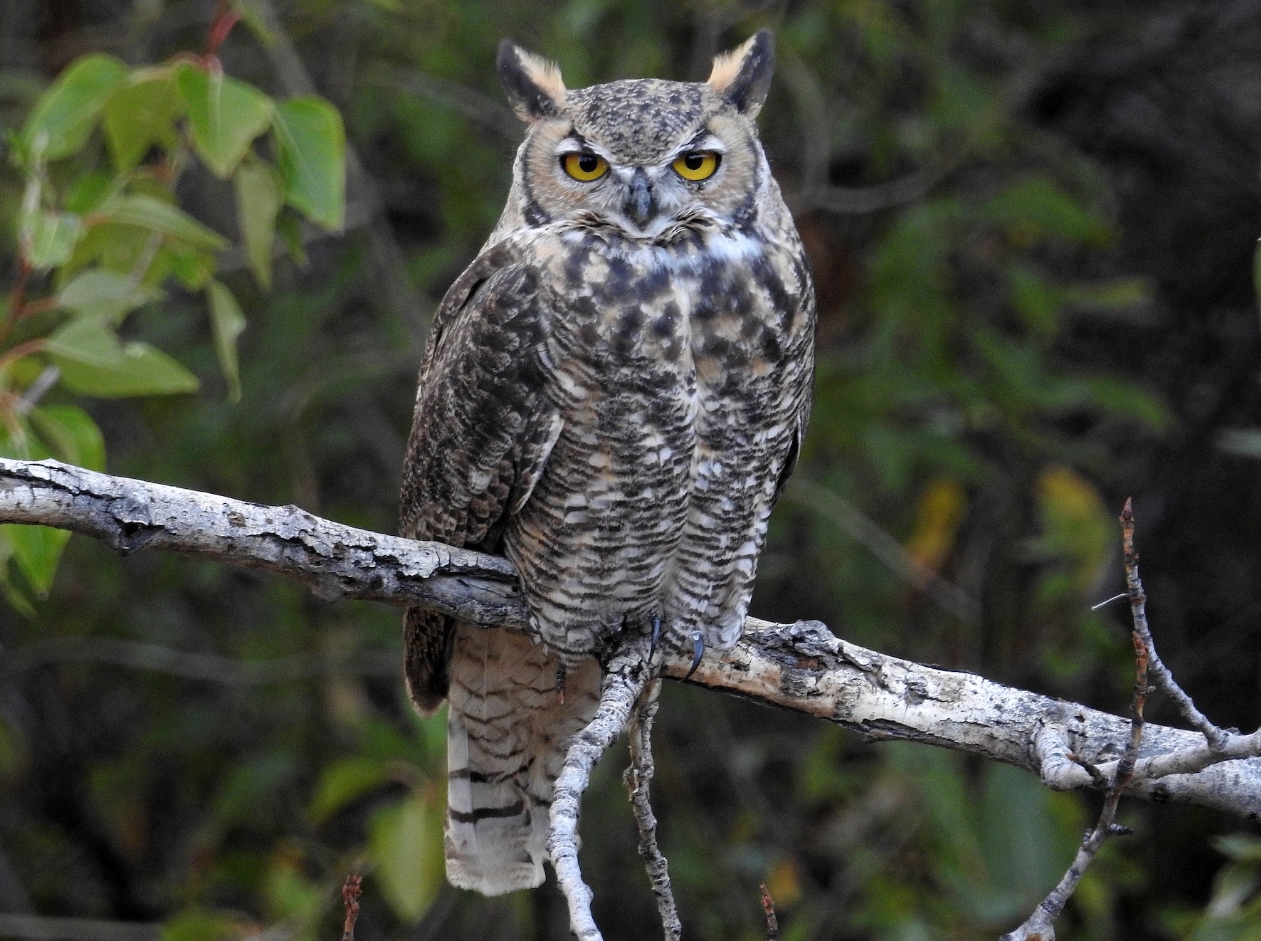
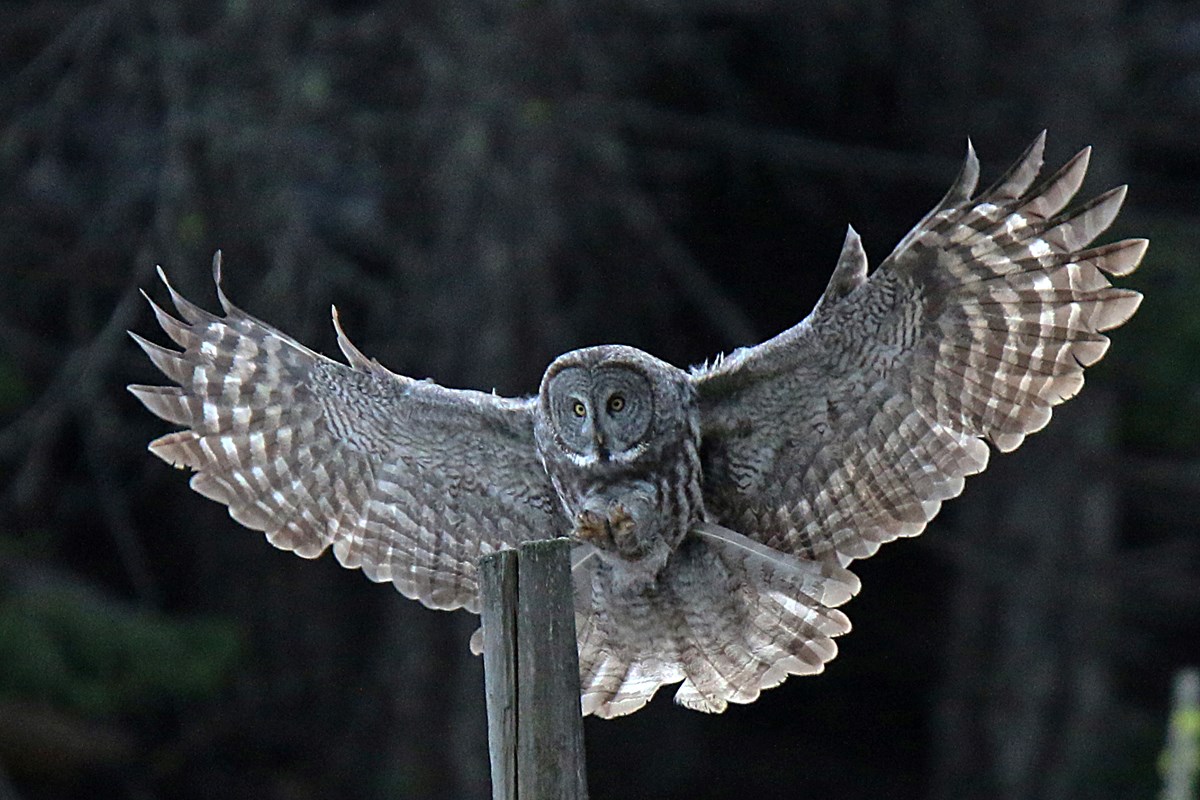
Owls have large, feathered heads. Their tails are short, and their wings are broad and long. The wingspan of some owls is approximately the size of a human. Owls are excellent hunters with their curved beaks, sharp talons, hooked nails, and rotating toes. Their powerful talons allow them to completely grasp prey.
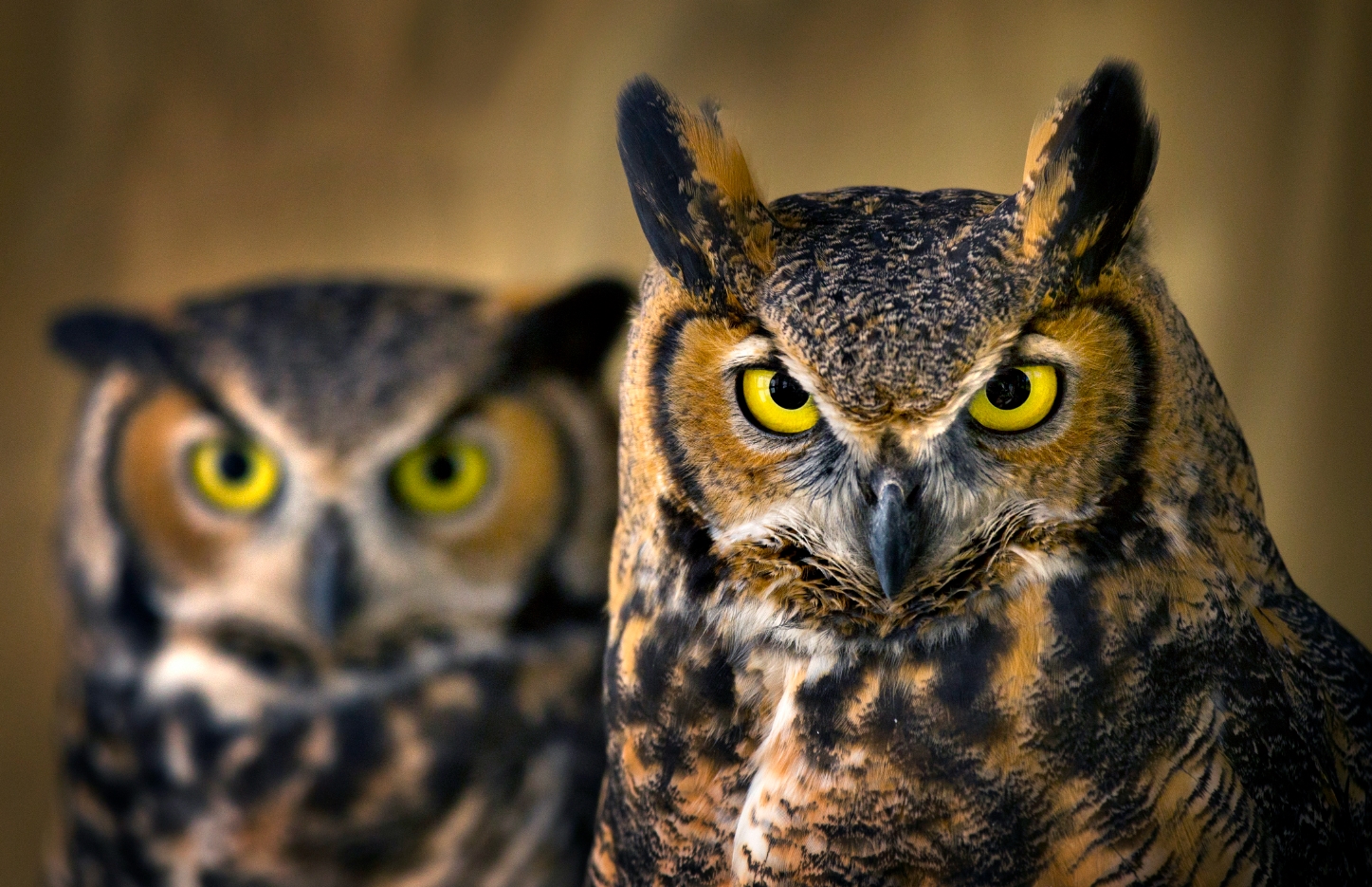
Owls hunt very quietly. Their entire body is covered in soft, fine fur. These feathers act as a muffler. In other words, the "whirring" sound of an owl's wings is not heard when it flies. Owls have large eyes, located at the front of their heads rather than on the sides. These very large eyes cannot move within their sockets. They are attached to sockets similar to a car headlight. Many people believe that owls can turn their heads 360 degrees. However, this is incorrect. Owls can rotate their necks 270 degrees to provide a panoramic view and survey their surroundings.
Female owls are larger than males and lay approximately 2 to 10 eggs. The incubation period is 30–40 days. The eyes and ears of the hatched chicks are closed. The length of time the chicks remain in the nest varies. Read on to learn more about owl characteristics.
«The Mystery of the Giant Ringed Planet: 10 Amazing Facts About Saturn You'll Hear for the First Time»
Owl species and life expectancy
Like hawks and eagles, owls are considered birds of prey, meaning they use sharp talons to hunt, kill, and eat other animals. However, owls differ from hawks and eagles in several ways. Most owls have large heads, stocky bodies, soft feathers, short tails, and flexible toes that can rotate forward or backward. Owls have forward-facing eyes, like humans. Most owl species are active at night rather than during the day.
There are approximately 250 species of owls worldwide. They inhabit every continent except Antarctica. Owls belong to an order of birds called Strigiformes. This group is divided into two smaller groups known as families. The Tytonidae family includes the barn owls, which have heart-shaped faces. The second family, Strigidae, includes all other owls, most of which have round faces.
The lifespan of an owl in the wild ranges from 5 to 12 years. However, in captivity, they live even longer. Owl lifespans vary greatly depending on the species. There are also clear differences in the lifespan of owls in captivity and wild owls. Owls require a sheltered area where they can sleep during the day and incubate their young. In some regions, this can be difficult, especially where their habitat is threatened.
An owl's size also influences its overall lifespan. Smaller owls tend to live shorter lives than larger ones, both in the wild and in captivity. Differences between species can be significant, but owls of any size living in captivity tend to live longer than wild owls of any size.
Visual abilities
There's a chemical that produces "aluminum purple" or "violet light." Rod cells convert even the faintest light into a chemical signal. Thus, where humans only notice a flash of light, owls see objects in detail. While all birds have an upper eyelid that overlaps the lower eyelid, owls have the opposite. They are the only bird species capable of seeing blue.
Hearing abilities
Owls have extremely sensitive hearing and vision. Although they can hunt in very low light, they are also able to detect and catch prey in complete darkness thanks to their hearing. Their ears detect even the faintest sounds. So much so that even the sound of a falling needle can be heard in complete silence.
The owl's broad face is covered with relatively stiff, curved feathers. These feathers collect sounds and reflect them back to the ear. Some owl species have very large ears, which completely cover the owl's head. Owls also have wide heads, and their ears are spaced further apart than those of other birds. So, after a sound wave reaches one ear, it travels to the other. In this short time, owls can determine the direction of the sound. The most interesting thing is this: owls have membranous ears. They can open these flaps whenever they want and close them whenever they want.
Owl sounds
Owls make a sound similar to "owlish," which is why it got its name in English. Owl sounds are sometimes frightening, and sometimes quite cute. The sound produced by each species is unique. Owls also make whistling and hissing sounds when they feel threatened.
5 Facts About Dogs and Food You Need to Know How many of you dog owners have to regularly deal with the agony of a pair of teary eyes begging you for a piece of food so beautifully displayed on your plate?...
What you need to know about aquarium fish types and care Aquarium fish, vibrant and dynamic inhabitants of the underwater world, are one of the best ways to add a touch of tranquility to our homes and offices. Aquarium keeping isn't just...
What You Need to Know About the Butterfly Life Cycle The butterfly life cycle is truly amazing. Butterflies have four life stages: egg, larva (caterpillar), pupa, and adult. Most people think a butterfly's lifespan is...
10 facts wine lovers need to know When a 90-year-old woman says wine is the secret to a long life, you believe her. This magical liquid can do everything from flavor your baked goods to...
10 Informative Facts About Holistic Massage: What You Need to Know Holistic massage is a body-oriented practice that integrates diverse cultural and scientific traditions. Unlike classical massage techniques, which focus primarily on the muscular system, holistic...
5 Key Facts Dog Owners Should Know If you're a dog owner, you probably know your pet inside out. You know all about their favorite toys, favorite sleeping spots, favorite snacks...
Declaration of building mixtures: why and who needs it Dry building mixes are materials that are essential for a range of projects, including laying stone, pouring floors, decorating walls and ceilings, and adding a touch of class to interiors.
Ornamental cacti that don't require watering Ornamental cacti are low-maintenance plants, but they can also die if neglected. An artificial cactus is an excellent and charming alternative to a live one...