






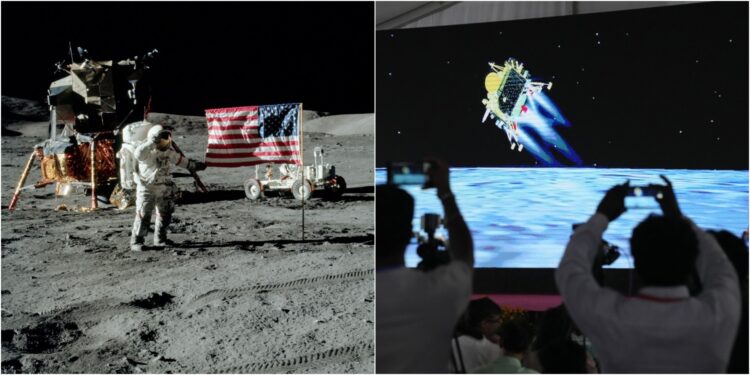
The Moon, our planet's only natural satellite, is of great importance for space exploration. However, it is also a crucial element in political and scientific competition and "space wars" between countries. Historically, a mission to the Moon has been seen as a crucial means of achieving ideological and scientific superiority in the space competition between countries. So, which countries have successfully traveled to the Moon and landed on it so far? Let's explore the details together.
The Moon, the only natural satellite of our planet, is of great importance for space exploration.
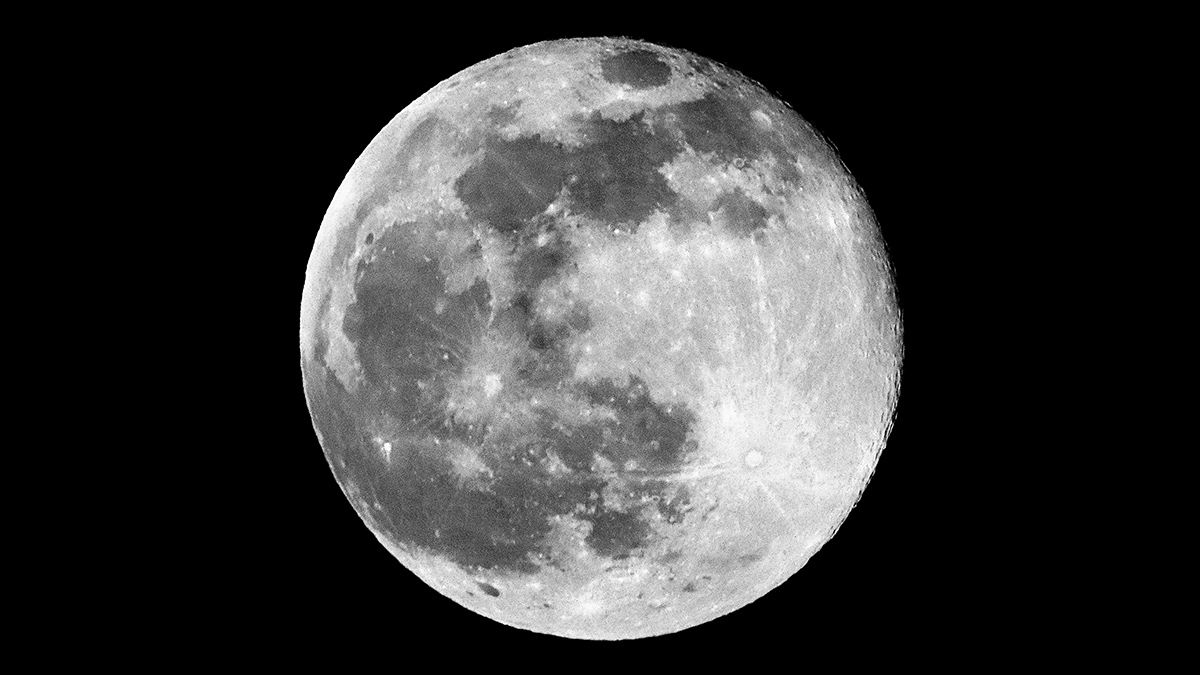
However, historically, this has been a crucial element of space competition between countries, both politically and scientifically. For this reason, many countries have taken steps to simultaneously explore the mysteries of the Moon and contribute to the space race. Countries' lunar missions have sometimes been funded by governments, and sometimes with the participation of private companies. However, the number of countries that have successfully accomplished these steps is not very large. So, which countries have flown to the Moon? Let's take a look at which countries have already managed to reach the Moon.
1. Soviet Union
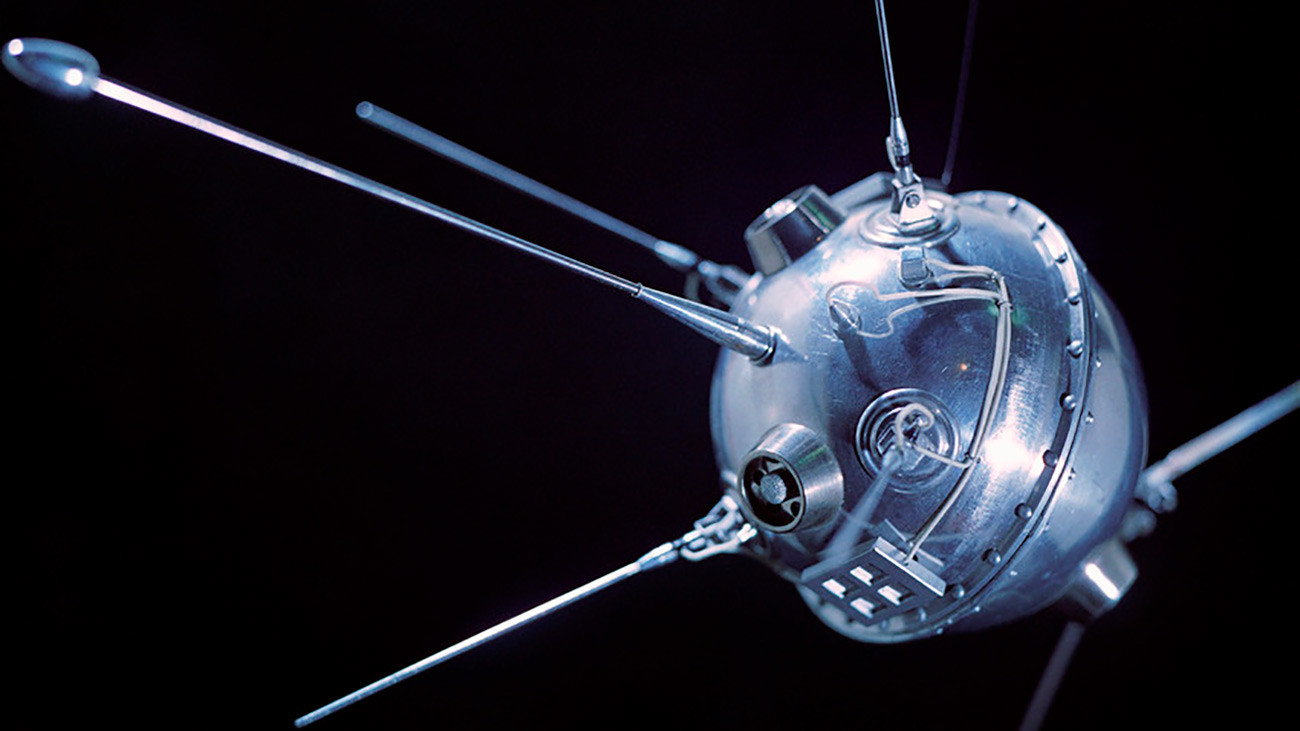
The first country in human history to reach the Moon was the Soviet Union. The Soviet spacecraft Luna-2, launched aboard a Vostok launch vehicle from the Baikonur Cosmodrome on September 12, 1959, made history as the first object to land on the Moon. This historic success by the Soviet Union became one of the most important events that launched the space race between the two countries. To date, the Soviet Union/Russia has successfully completed a total of 23 missions to the Moon.
2. United States of America
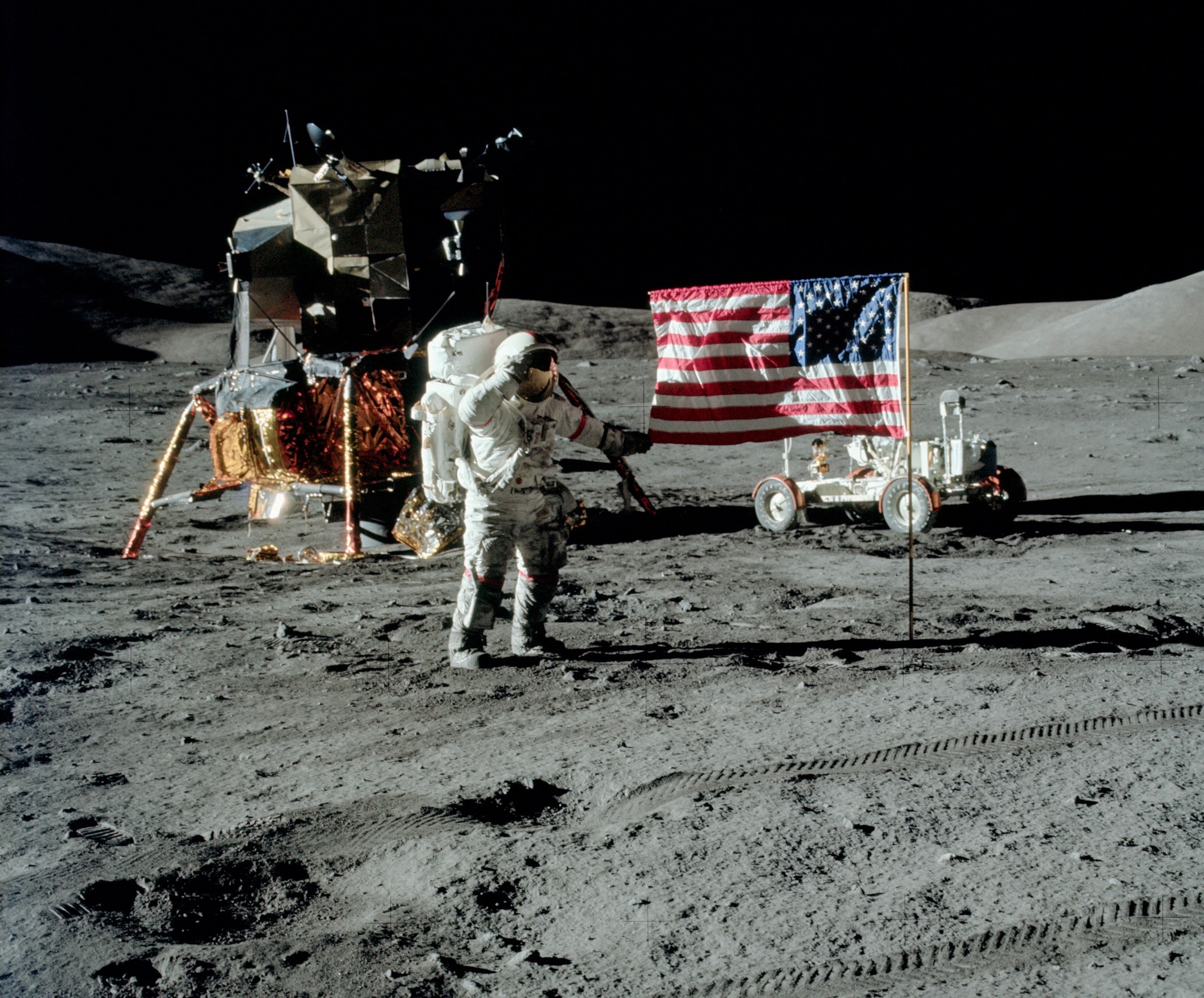
The United States, a key participant in the space race, has completed 32 lunar missions to date. In this sense, the first human to set foot on the Moon was also an American: Neil Armstrong. The American Apollo space program went down in history as a major breakthrough in lunar exploration. However, six of the American lunar missions were manned. To date, 12 astronauts have landed on the Moon.
3. China

China is one of the few countries to have successfully explored the Moon, having already completed seven lunar missions. This impressive achievement demonstrates the country's significant technological capabilities and ambitions in space. And, most interestingly, China is actively preparing for the next, and so far most challenging, stage – landing a human on the Moon, planned for around 2030.
This step is of enormous significance. It will not only confirm China's status as a spacefaring power but also open new horizons for scientific research. Imagine the unique data on the lunar geology, composition, and history that could be obtained by working directly on the surface!
Moreover, lunar exploration is a crucial step toward further deep space exploration, as it could serve as a base for future missions to Mars and beyond. Preparations for a manned lunar program require colossal efforts in the development of spacecraft, spacesuits, life support systems, and, of course, technologies to safely transport astronauts to the Moon and back. This is a true challenge for engineers and scientists, and its successful completion will be a significant milestone in the development of global space exploration.
4. Japan

Japan is one of the few countries to have successfully landed on the Moon. In fact, Japan's space program has a rich history, beginning in 1990 with its first lunar mission. The second, more recent, mission took place in 2007, demonstrating the country's commitment to near-space exploration. Recently, in early 2024, Japan achieved a real breakthrough: it successfully landed its SLIM (Smart Lander for Investigating Moon) spacecraft on the lunar surface. This was a significant achievement, as Japan became only the fifth country in the world to successfully land on our natural satellite, after Russia, the United States, China, and India.
SLIM's success is particularly valuable because the device was designed using advanced technologies, including precision navigation, allowing it to land in its intended location with incredible accuracy. This opens up new possibilities for future lunar missions, allowing for more targeted exploration of specific areas of the surface. Studying the Moon, in turn, is of immense scientific importance – from understanding the formation of the solar system to discovering potential resources that could be used in future space exploration. Essentially, every successful lunar mission, including Japan's, brings us closer to a deeper understanding of the universe and expands humanity's horizons.
5. Luxembourg

Luxembourg-based private company LuxSpace recently took a major step in space exploration. They launched a small research probe aboard a Chinese Long March rocket—an exciting collaboration in itself, demonstrating the growing role of international partnerships in space programs. The probe's mission was to approach the Moon and collect valuable data, but unfortunately, after a close flyby, it collided with the lunar surface.
Although the mission failed to achieve its original goal, it is of great significance. LuxSpace, as a private company, is actively involved in the development of space technologies, and this launch is an important learning experience for them. Missions like these, even if they end in failure, allow them to refine processes, test equipment, and obtain invaluable data about the lunar environment, which is critical for future, more ambitious lunar projects. Ultimately, every launch is a lesson, and every lesson brings us closer to more successful missions. The probe's impact with the Moon, although tragic, will provide scientists with information about the composition and density of the lunar soil—data that is difficult to obtain otherwise. This, in turn, can help plan future landings and develop technologies for resource mining on the Moon, which could ultimately be key to sustainable space exploration. The Long March, as one of the most reliable rockets in the world, also confirmed its effectiveness in this launch, despite the incident.
6. Italy
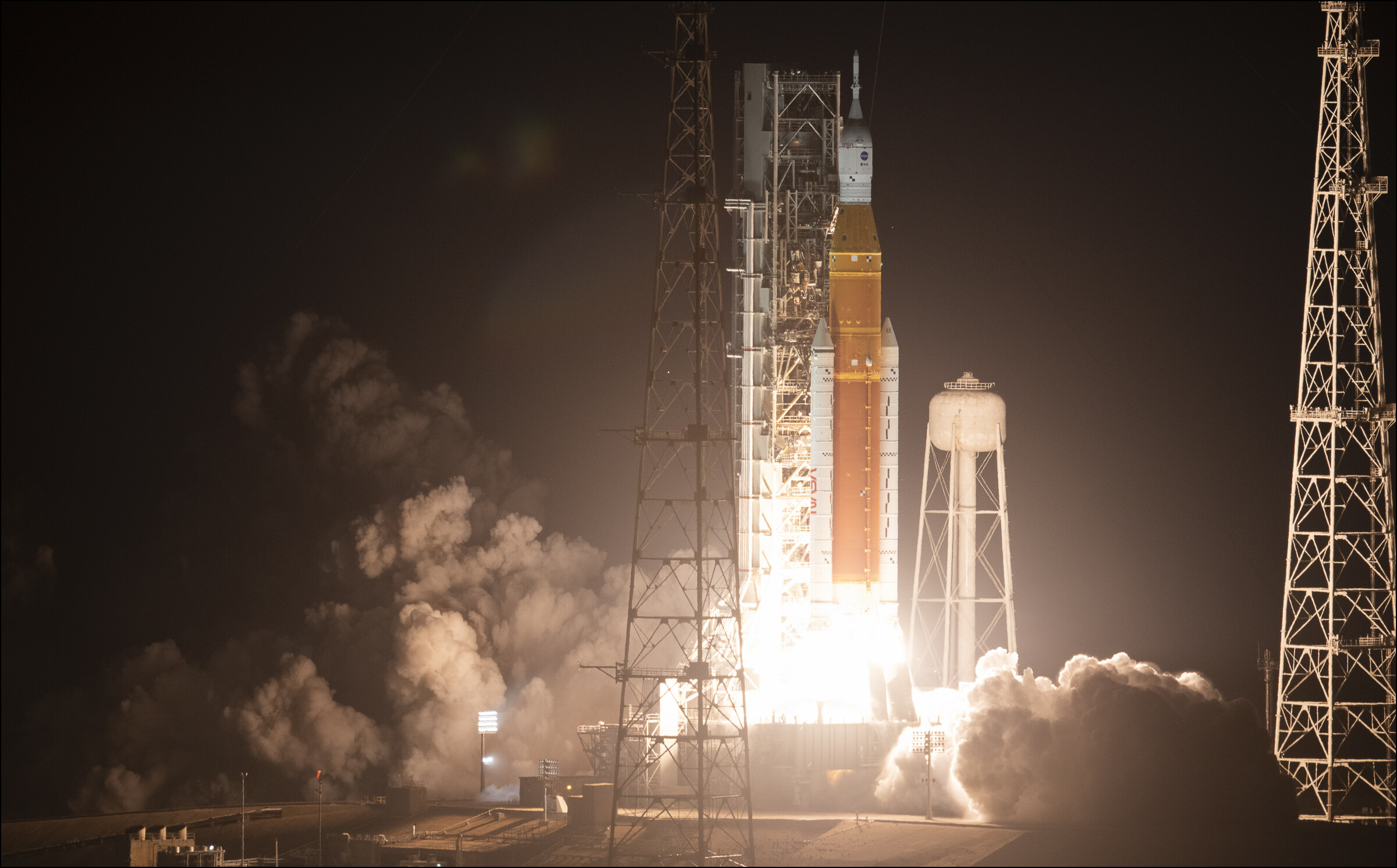
In 2022, the Italian ArgoMoon satellite launched to the Moon as part of a very important mission: Artemis 1. Artemis 1, as you may know, was the first mission under NASA's new Space Launch System, and it opened a new chapter in lunar exploration. ArgoMoon essentially served as a "fellow traveler" on this historic mission, allowing Italy to contribute to the lunar program without launching a separate rocket. This is a very smart and cost-effective approach that is becoming increasingly popular in the space industry.
The satellite, developed by the Italian Institute for Space Research (INAF), is designed to study the lunar surface and, in particular, to search for potential sites for future bases and landing sites. Its data will help scientists better understand the moon's geology and determine where useful resources, such as water ice, can be found—critical for long-term human habitation on the moon. Thus, ArgoMoon is more than just a satellite; it is an important tool in preparation for future, larger-scale lunar expeditions, which are likely to occur in the coming years.
7. South Korea

On August 4, 2022, South Korea took a major step toward lunar exploration by sending the Korea Pathfinder Lunar Orbiter (KPLO) satellite into orbit. The launch was carried out aboard a SpaceX Falcon 9 Block 5 rocket, demonstrating South Korea's active use of advanced technologies and collaboration with space industry leaders. The KPLO mission is more than just a scientific experiment; it is a strategically important project aimed at exploring lunar resources.
The satellite's primary objective is to explore the Moon's mineral potential. Scientists are particularly interested in finding water ice, which could be a valuable resource for future lunar bases, providing water and perhaps even fuel. Helium-3, a rare isotope discovered on the Moon, is also attracting attention because it has the potential to be used in fusion reactors—which, if the technology is developed, could provide a virtually inexhaustible source of energy.
In addition to resource search, KPLO will create a detailed topographic map of the Moon. This is necessary for more accurate selection of future landing sites, including for prospective rover missions and, ultimately, for the construction of permanent lunar stations. Think of it as creating a detailed map of the terrain before building a new city – without it, it is impossible to effectively plan and develop infrastructure. Thus, the KPLO mission lays the foundation for a long-term human presence on the Moon and opens new horizons in space exploration.
8. Israel
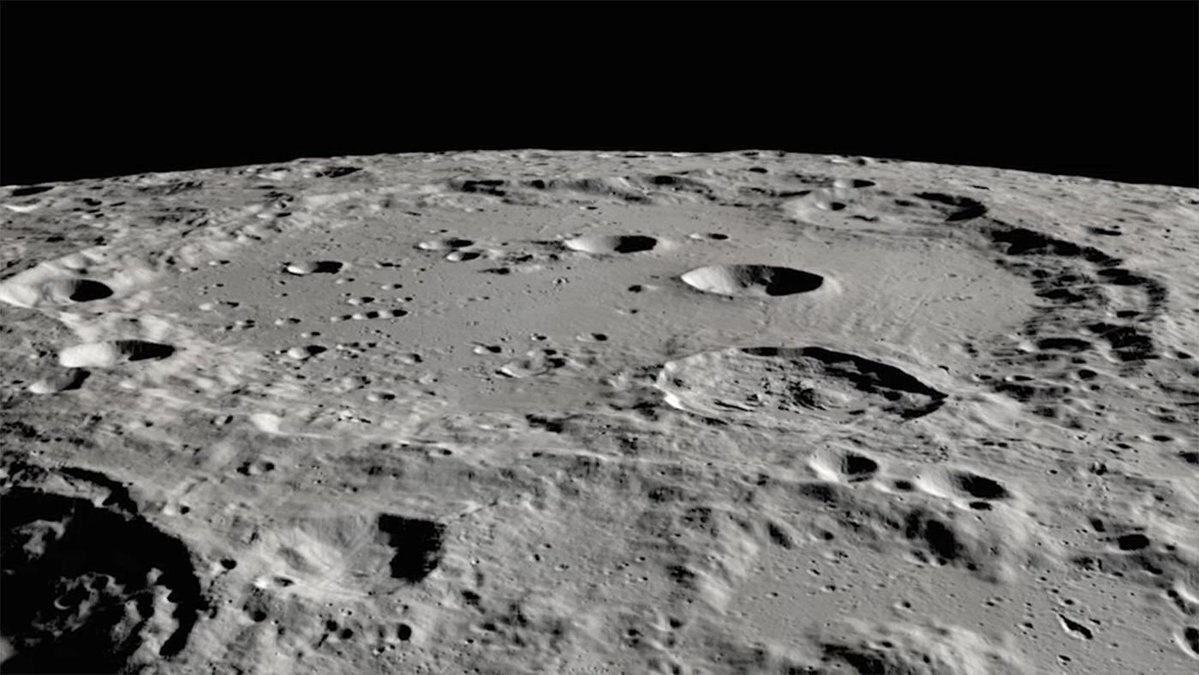
In 2019, Israel launched a bold mission, sending a probe called Beresheet to the Moon. This mission was conceived not simply as a scientific experiment, but as a way to inspire the younger generation to be interested in space and science in general. With STEM (science, technology, engineering, and mathematics) education becoming increasingly important for the future, projects like these serve as a powerful incentive for children and adolescents.
«Beresheet did indeed reach the Moon, becoming the first Israeli spacecraft to set foot on the surface of our natural satellite. This was a major breakthrough for the country, demonstrating the capabilities of the Israeli space industry. Unfortunately, an accident occurred during landing, and the spacecraft crashed. Despite its tragic outcome, the Beresheet mission left a significant mark. It demonstrated that even a small country can participate in space exploration and attracted worldwide attention to Israeli researchers. Moreover, the data collected by the spacecraft before its crash proved valuable for scientists studying the lunar surface and its composition. This serves as a reminder that even failed attempts can yield important lessons and advance science.
9. United Arab Emirates

At the end of 2022, an event occurred that captured the world's attention: the UAE sent a lunar rover, along with a lander, to the Moon as part of the Hakuto-R Mission 1. This was a major step for the country in space exploration and a demonstration of technological capabilities. The rover successfully reached the lunar surface, a significant achievement in itself, given the complexity of interplanetary travel and precision landing. However, unfortunately, the joy was short-lived. Almost immediately after landing, contact with the rover was lost, and the mission was forced to be abandoned.
Communication losses are, unfortunately, a common occurrence in space exploration. The lunar surface is an extremely hostile environment: extreme temperatures, vacuum, and radiation pose significant challenges to electronics and communications systems. Despite the failure, it's important to understand that every mission, even if it doesn't achieve all its objectives, yields valuable data and experience. Analyzing the causes of communication losses will allow engineers and scientists to improve future designs and increase equipment reliability. Hakuto-R Mission 1, therefore, became an important lesson that will undoubtedly be taken into account when developing future lunar missions, both for the UAE and other countries seeking to explore our closest celestial neighbor. It underscores how complex and unpredictable space exploration can be, and why every success requires tremendous effort and innovation.
10. India

India is actively involved in lunar exploration and has made significant progress in this area in recent years. The first step was the launch of Chandrayaan-1 in 2008—India's first lunar probe, which opened a new chapter in the country's space program. Chandrayaan-1 not only provided valuable data on the lunar surface but also demonstrated India's capability to develop and launch complex spacecraft. Importantly, it was this probe that discovered evidence of water on the Moon, which has significant implications for future lunar missions and potential colonization.
However, a real breakthrough occurred with the Chandrayaan-3 mission. India became the first country in the world to successfully land a probe on the lunar south pole. This incredible achievement has been said to have "opened a new chapter" in space exploration. The lunar south pole is of particular interest to scientists, as deposits of water ice are believed to exist there in the permanently shadowed craters. Harnessing this ice could be key to sustaining future lunar bases and even producing rocket fuel directly on the moon, significantly reducing the cost of long-distance space travel. The success of Chandrayaan-3 is not only a technological triumph but also a powerful boost to the development of India's space industry and an inspiration for future generations of scientists and engineers.
What has the European Union achieved?

The European Union, through the European Space Agency (ESA), has also managed to touch the Moon—a fact worth noting. The SMART-1 mission, launched in 2003, wasn't just a flight to our natural satellite, but rather a complex test of advanced technologies. The main objective was to test new solutions, such as solar-electric propulsion and improved communication methods. Solar-electric propulsion, by the way, works by converting sunlight into electricity, which is then used to generate thrust—this allows for fuel savings and long-duration space travel.
For three years, SMART-1 successfully orbited the Moon, collecting valuable data and demonstrating the viability of these innovative technologies. The resulting images and analyses of the lunar surface helped scientists better understand its composition and formation history. This, in turn, is important for future lunar missions, including plans to establish permanent bases. At the end of its mission in 2006, the spacecraft was deliberately directed toward the lunar surface—a controlled descent to avoid becoming a potential source of space debris. This is standard practice, allowing for a safe conclusion of the mission and minimizing risks to future space exploration. Thus, SMART-1 made a significant contribution to the development of space technology and our knowledge of the Moon, laying the foundation for more ambitious projects.
Who managed to make a soft landing on the Moon?

Lunar landings are divided into two main types: hard and soft. The difference lies in the speed of the spacecraft's descent before touching down. A soft landing, as the name suggests, involves a smooth and controlled touchdown—the spacecraft literally "sits" on the Moon, rather than crashing into it. This is critical, especially in manned missions, where crew safety is the number one priority. But even in unmanned missions, a soft landing is essential if scientific research, equipment installation, or testing are planned after landing. Imagine carefully delivering a complex instrument to the Moon to prevent it from breaking—that's why a soft landing is essential.
A hard landing, on the other hand, involves impact with the surface, and the spacecraft typically ceases to function afterward. It is used in cases where scientific objectives do not require the spacecraft to survive, for example, to study soil composition by analyzing data obtained at the moment of impact. However, a soft landing is a much more complex technical task, requiring precise engine control and a sophisticated navigation system.
To date, only the United States has successfully soft-landed on the Moon.. This achievement underscores the advanced space technology and engineering required for lunar exploration. Further development of soft landing technologies is key to future lunar missions, including plans to establish permanent lunar bases and mine resources.

In the coming years, the Moon will remain the focus of space exploration—it's practically inevitable. Interest is fueled not only by scientific ambitions but also by growing geopolitical significance. Many countries, both those with experience in lunar missions and those just beginning their journey into space, are actively developing or expanding their lunar programs. These include countries such as India, Japan, the United States, and South Korea, which have already proven their ability to send spacecraft to the Moon. But other countries are also moving forward. Turkey, for example, plans a lunar landing within the next decade—a significant step in their national space program, demonstrating their commitment to technological leadership and participation in global space projects.
South Africa, Canada, Ukraine, and Mexico also have similar ambitions; it is expected that around 2030, these countries will also try to join the club of "lunar powers.".
Why is this so important?
The Moon is more than just a nearby cosmic neighbor. It is a potential source of resources, such as helium-3, which could fuel future fusion reactors. Furthermore, the lunar surface could serve as an ideal platform for further exploration of the solar system, and establishing permanent bases there is a logical step in space exploration. Competition in this area will undoubtedly stimulate technological progress and possibly lead to new discoveries that will impact our lives here on Earth. Essentially, the race to the Moon is a race for the future.