







Calculate, What is the safest mode of transport?, It's not that simple. To create a visually appealing graph, you need at least two indicators: the number of fatalities or injuries, and the number of people using that mode of transport. Finding this data is easy for air, rail, and water transport, since tickets keep track of every person. But with automobile transport, things are more complicated. Tracking the average Russian's movements to and from work and the store is impossible—after all, no one checks in at their doorstep.
10. Motorcycles
 > 200 deaths per 1.6 billion km
Although the number of accidents involving motorcycles has decreased by more than 701,000 since 2005, motorcycles remain one of the most dangerous modes of transportation. Statistics show that every 1.6 billion kilometers traveled costs the lives of more than 200 drivers and their passengers.
Motorcycles, like other two-wheeled vehicles—bicycles—are highly vulnerable, so accidents involving motorcyclists are highly likely to end tragically. The reasons are the failure to follow traffic rules and, surprisingly, the refusal of some drivers to wear helmets.
9. Personal cars
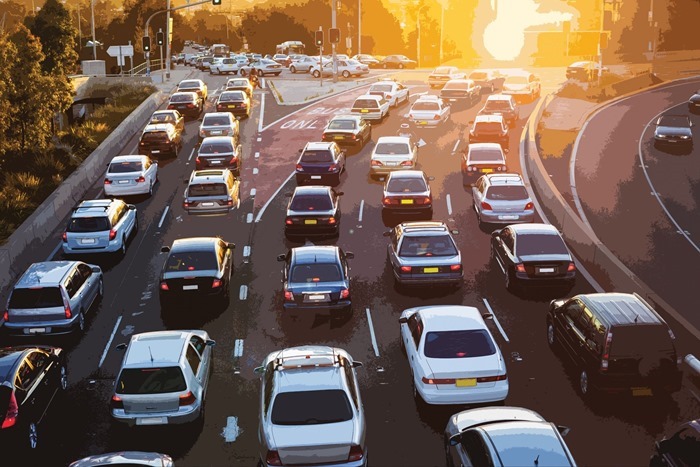 5.75 people per 1.6 billion km
Private cars are the second most common cause of road accidents. At least 5.75 people die in just 1.6 billion kilometers of travel.
The reasons include drivers' reluctance to comply with traffic regulations, the state of the road surface, increased vehicle wear due to the crisis and declining purchasing power, and, due to the rising average lifespan, the aging of drivers. All these factors together guarantee that motor transport in Russia will remain unsafe for a long time to come.
8. Helicopters
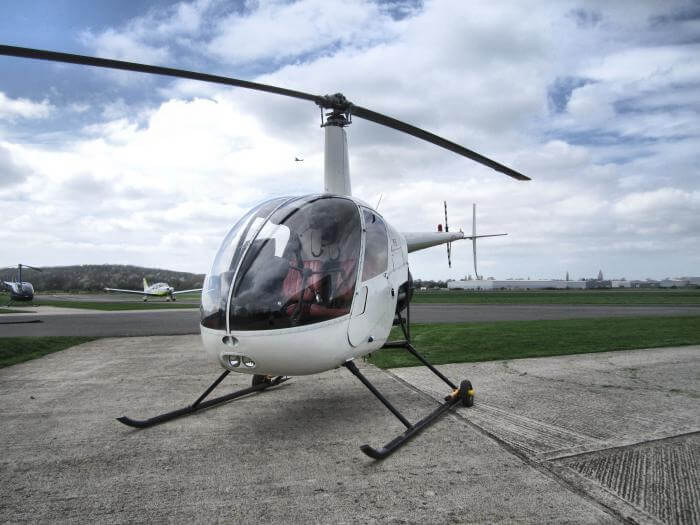 9.4 fatalities per 1 million passengers
Among air transport, the greatest danger to human life is not international but intercity travel. This is especially true if a person is forced to fly by helicopter to places where even the notorious Makar prefers not to send his calves. Perhaps this explains the high number of helicopter passenger injuries. At least 9.4 out of every million people are injured. Falls occur from great heights, and the injuries are highly likely to be fatal.
7. Minibuses
 5 fatalities per 1.5 billion km
Minibuses are by no means the safest form of transportation in Russia. Statistics show that every 1.5 billion kilometers traveled by a minibus costs five lives. The reasons for this include drivers working themselves to the bone, as well as design flaws in the minibuses, road conditions, a lack of respect for traffic rules, and drunk driving.
6. Intercity buses
 2.84 victims per 1 million transported
In 2018, several major accidents involving intercity buses occurred, including a tragic accident in the Voronezh region in which two buses collided, killing five and injuring 17. Overall, statistics show that intercity and international buses are not known for their safety: for every million passengers carried, at least 2.84 are injured or killed in accidents. In 2018 alone, intercity bus rides resulted in the deaths of more than 600 passengers, and injuries to over 13,000.
5. Sea and river transport
 2.3 accidents per 1 million passengers
This category includes both international vessels and domestic river carriers. In 2018 alone, there were 62 accidents during sea and river travel, resulting in five fatalities. Overall, according to NSS statistics, there are 2.3 accidents for every million passengers carried.
Passengers on sea and river vessels are at risk not only from water but also from fire. One of the most common causes of transport accidents is a sudden fire on board, usually caused by faulty electrical wiring. This is not surprising, given that Russia's domestic fleet is in poor condition, with almost a third of its vessels having celebrated 40 years of service.
4. Airplanes
 Odds of dying: 1:11,000,000
Air travel is the safest form of transport in the world, but in Russia, obtaining accurate statistics on the number of accidents per passenger is impossible. Data from the National Association of Insurers, which we relied on to assess the risk of other modes of transport, is unavailable. This is due to the specifics of the Russian insurance system: most air transport companies carry their passengers not only within the country but also internationally. Therefore, they use internationally recognized insurance policies.
Here's why flying is the safest form of transport: statistically, The chances of dying in an airplane accident are 1 in 11 million. For comparison, the chances of being struck by lightning while walking in a thunderstorm are 16 times higher!
3. Trains
 0.17 incidents per 1 million passengers
This category includes both intercity and international trains, as well as regular commuter trains. Overall, Russian Railways' statistics for 2018 look excellent – for almost the entire year, from January to November, only seven accidents were recorded. Unfortunately, there were fatalities – one person died. Overall, the accident rate is no more than 0.17 per million passengers.
More and more people are choosing to use one of the safest modes of transport, and the price alone can't explain this. After all, on some routes, plane and train tickets are practically the same. According to the Russian Railways website, in 2018, long-distance trains carried almost 81,000 passengers more than the previous year. And the number of commuter train passengers increased by almost 31,000.
2. Trolleybuses
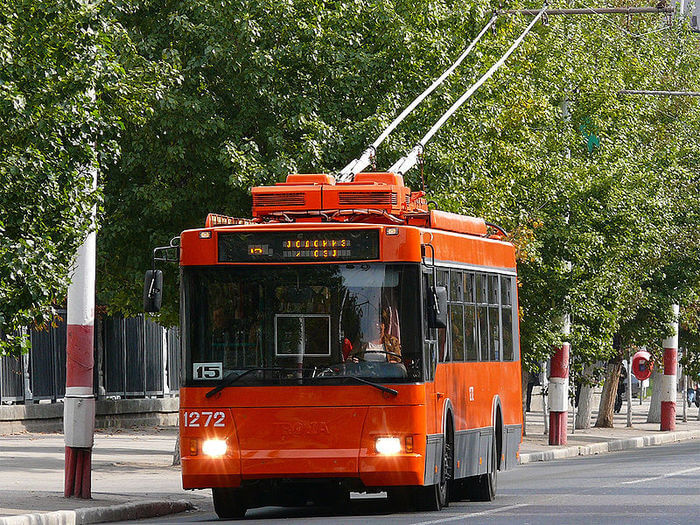 0.09 cases per million transported
Trolleybuses are the second-safest mode of transport in Russia. According to NSS statistics, there are only 0.09 accidents per million passengers carried. Most of these are trivial "trip and fall" accidents.
The reasons for the low injury rate of a trolleybus are very simple: its size and weight, as well as its low speed. In a collision with, for example, a passenger car, the latter would suffer much more damage. Meanwhile, trolleybus passengers would escape with minor injuries.
1. Tram
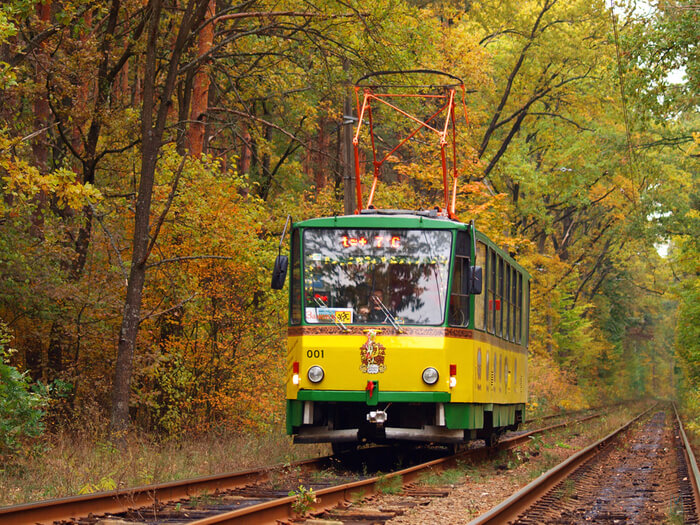 0.04 victims out of 1,000,000 people
According to 2018 statistics, trams are the safest form of transport in terms of the accident-to-passenger ratio. Of every million people traveling from point A to point B, no more than 0.04 are injured. Beyond safety, trams offer many advantages:
- it moves more smoothly than a car or even a trolleybus;
- less noisy;
- completely independent from traffic jams (unless, of course, drivers try to drive on the tracks);
- Of all urban transport, it causes the least harm to the environment.
Unfortunately, trams are gradually disappearing from small Russian cities. The reason is limited local budgets, which simply cannot support a separate line. Over the past twenty years, the number of trams has decreased by more than 351 TP3T. Does this mean that the safest mode of transport will gradually disappear from the urban landscape?