








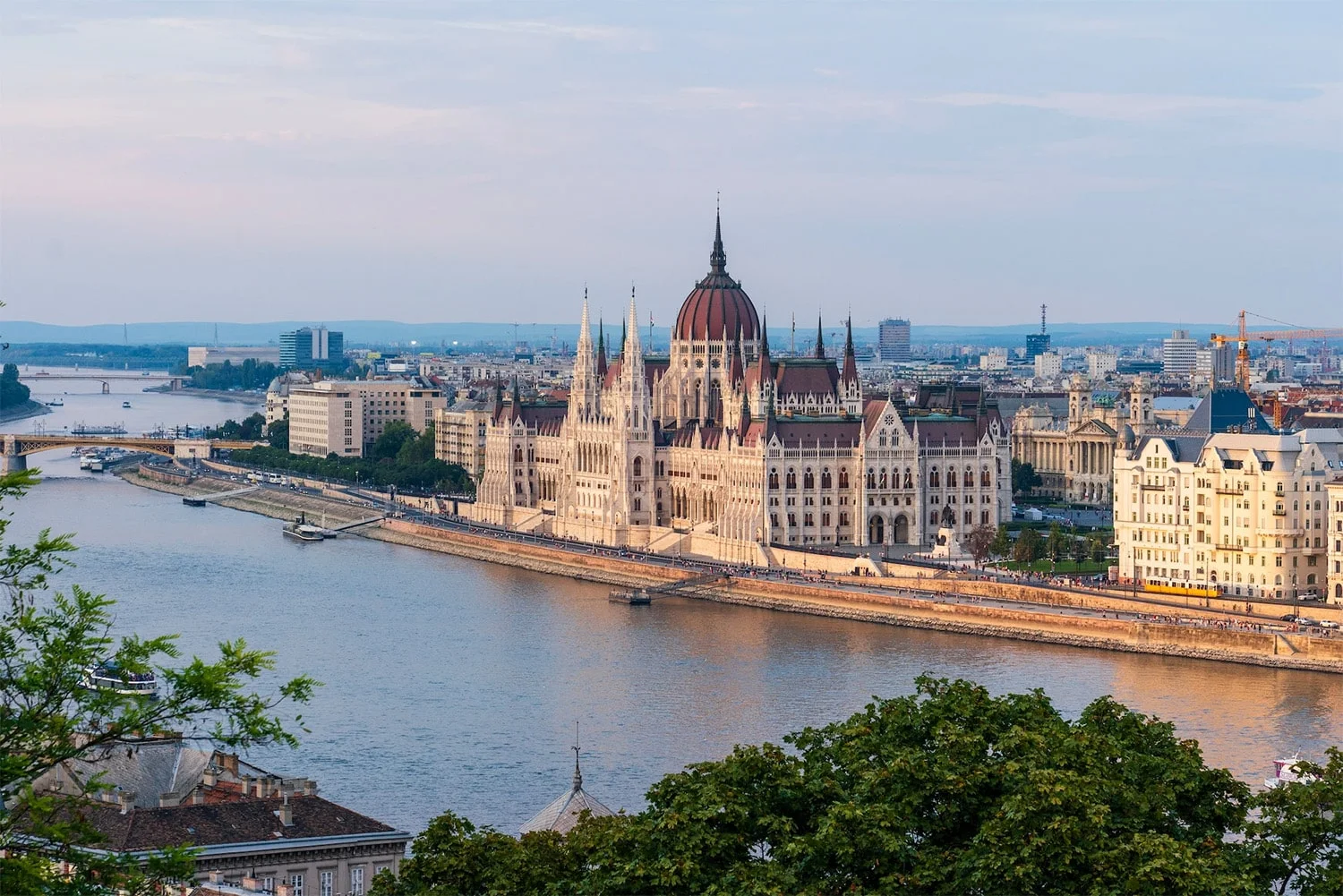
Hungary, a landlocked country located in Central Europe, is rich in history and culture, offering a rich diversity of architectural beauty, traditional music, thermal springs, and much more. From the majestic Danube River, which divides the capital, Budapest, into Buda and Pest, to the serene beauty of the Great Plains, Hungary is a land of diversity and contrasts. Renowned for its contributions to the arts, sciences, and cuisine, Hungary played a significant role in European history as part of the Austro-Hungarian Empire and beyond. Its unique language, vibrant traditions, and picturesque landscapes make it a fascinating country to explore. Here are 24 interesting and informative facts about Hungary that highlight its cultural richness, historical significance, and natural beauty.
- Hungary was founded in 896, making it one of the oldest countries in Europe.
- Hungarian, the official language, is one of the few non-Indo-European languages in Europe and is considered one of the most difficult to learn.
- Budapest, the capital of Hungary, is known as the "City of Spas" due to its numerous thermal springs and the world's largest thermal cave system.
- The Hungarian Parliament Building in Budapest is one of the largest parliamentary buildings in the world.
- Hungary ranks second in the world in terms of Olympic medals per capita.
- The Rubik's Cube was invented by Hungarian architect Ernő Rubik in 1974.
- Hungary is home to Central Europe's largest lake, Lake Balaton, which is often called the Hungarian Sea.
- Traditional Hungarian music has a strong influence on classical works, and famous composers such as Béla Bartók and Zoltán Kodály drew inspiration from folk melodies.
- The Hungarian Grand Prix has been held at the Hungaroring circuit near Budapest since 1986, making it one of the oldest Formula One races.
- The Dohány Street Synagogue in Budapest is the largest synagogue in Europe.
- Hungary has a tradition of high academic achievement, with 13 Nobel Prize laureates in various categories.
- Hortobágy National Park, part of the Great Hungarian Plain, is a UNESCO World Heritage Site and is home to Europe's largest natural meadow.
- Hungarian cuisine is renowned for its spicy dishes and use of paprika, and traditional dishes such as goulash and lángos are popular worldwide.
- Tokaji Aszú, produced in the Tokaj region of Hungary, is considered one of the oldest sweet wines in the world.
- The first foreign fast food restaurant in Hungary was McDonald's, which opened in 1988, before the fall of communism.
- Busojaras, an annual carnival in the town of Mohács, is a UNESCO World Intangible Cultural Heritage site and is intended to drive away winter.
- Hungary is a landlocked country bordering seven other countries: Austria, Slovakia, Ukraine, Romania, Serbia, Croatia and Slovenia.
- The Chain Bridge, opened in 1849, was the first permanent bridge across the Danube in Hungary and an engineering marvel of its time.
- Founded in 1367, the University of Pécs is one of the oldest higher education institutions in Europe.
- The Hungarian forint, the country's national currency, is named after the city of Florence, where gold coins were minted in the 13th century.
- Hungary's national dish is goulash, a hearty stew of meat and vegetables seasoned with paprika.
- Hungary has over 1,000 thermal springs, and bathing in these waters is a tradition dating back to Roman times.
- Every year, the Sziget Festival, one of the largest music and cultural festivals in Europe, is held on the island of Óbudai-Sziget in Budapest.
- Hungary was a communist state from 1947 to 1989, after which it transitioned to a democratic republic after the fall of the Iron Curtain.
Hungary's rich history, cultural heritage, and natural beauty make it a captivating country full of surprises and wonders. From the invention of the Rubik's Cube to world-class wine production and significant contributions to the global scientific and artistic communities, Hungary's influence is felt far beyond its borders. As a country that has navigated complex historical periods while maintaining its unique identity, Hungary offers an intriguing blend of tradition and innovation. Whether it's thermal springs, iconic architecture, or vibrant festivals, Hungary continues to captivate tourists and locals alike with its enduring charm and resilience.