








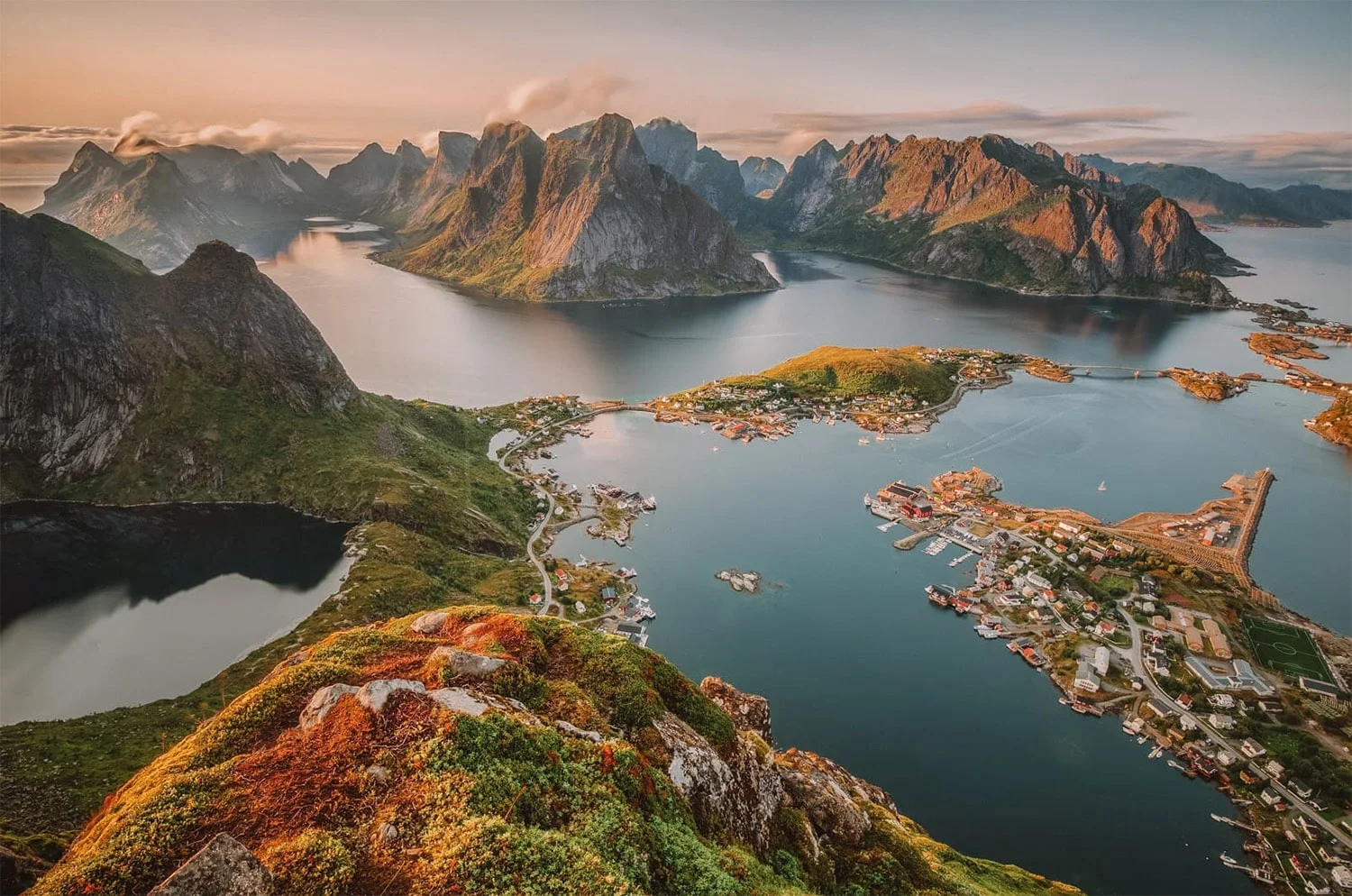
Norway, a country renowned for its breathtaking landscapes, rich Viking history, and progressive social policies, is a beacon of natural beauty and human achievement in the heart of Scandinavia. From the spectacular Northern Lights in the north to the serene fjords along the coast, Norway offers a captivating blend of natural wonders that enchant all who visit. Beyond its physical beauty, Norway is a leader in environmental sustainability and ranks highly in global quality of life indices, reflecting its commitment to creating a healthy and happy society. This unique blend of cultural heritage, innovative policies, and natural splendor makes the country a fascinating place to explore. Here are 31 interesting and informative facts about Norway that highlight the essence of this remarkable country.
- The official name of Norway is the Kingdom of Norway.
- The country has two official written languages: Bokmål and Nynorsk.
- Norway shares land borders with Sweden, Finland and Russia.
- The capital of Norway is Oslo, which is also its largest city.
- Norway is famous for its fjords – deep furrows cut into the earth by glaciers and filled with seawater.
- Sognefjord is the largest fjord in Norway and the second largest in the world.
- Norway's coastline, including fjords and islands, extends for more than 25,000 kilometres.
- The Nobel Peace Prize is awarded annually in Oslo, Norway.
- Norway was one of the founding countries of the United Nations in 1945.
- The currency of Norway is the Norwegian krone (NOK).
- Norway is one of the world's leading producers of oil and natural gas.
- The country has a constitutional monarchy, and the head of state is currently King Harald V.
- Norway ranks highly in global quality of life indices, often topping the lists for happiness, healthcare and education.
- The indigenous people of Norway are the Sami, who have their own culture, language and history.
- The Arctic archipelago of Svalbard, located north of mainland Norway, is known for its rugged terrain, polar bears, and secluded nature.
- In the 1980s, Norway introduced salmon sushi to Japan.
- The country has compulsory military service for both men and women.
- The national symbol of Norway is the lion.
- The Viking Ship Museum in Oslo displays well-preserved Viking ships and artifacts.
- Norway has a rich tradition of folklore and mythology, including tales of trolls and other mythical creatures.
- The "midnight sun" phenomenon occurs in northern Norway, where the sun does not set for part of the summer.
- Norway's Lærdal Tunnel is the longest road tunnel in the world, at 24.5 kilometres long.
- The traditional Norwegian diet includes fish, potatoes and dairy products.
- Norway is a major exporter of seafood, especially salmon.
- This country has won more medals at the Winter Olympics than any other country.
- Chess Grandmaster Magnus Carlsen, a former World Chess Champion, is from Norway.
- Norway's Constitution Day is celebrated on May 17 to commemorate the signing of the Norwegian Constitution in 1814.
- There are more than 450,000 lakes in Norway.
- The country was occupied by Germany during World War II, from 1940 to 1945.
- Bergen, Norway's second largest city, is known as the gateway to the fjords.
- Norway's extensive social security system is funded by the country's oil and gas wealth.
Norway is more than just a country with beautiful landscapes and a high standard of living; it is a testament to the resilience of its people and their commitment to preserving their environment and cultural heritage. From its historical roots as the birthplace of the Vikings to its modern advances in social welfare and environmental protection, Norway offers a unique blend of past and present, nature and civilization. By exploring Norway's many facets, we gain a deeper understanding of its contribution to the world, both natural and human-made, and the lessons it offers for sustainable development and social responsibility.