








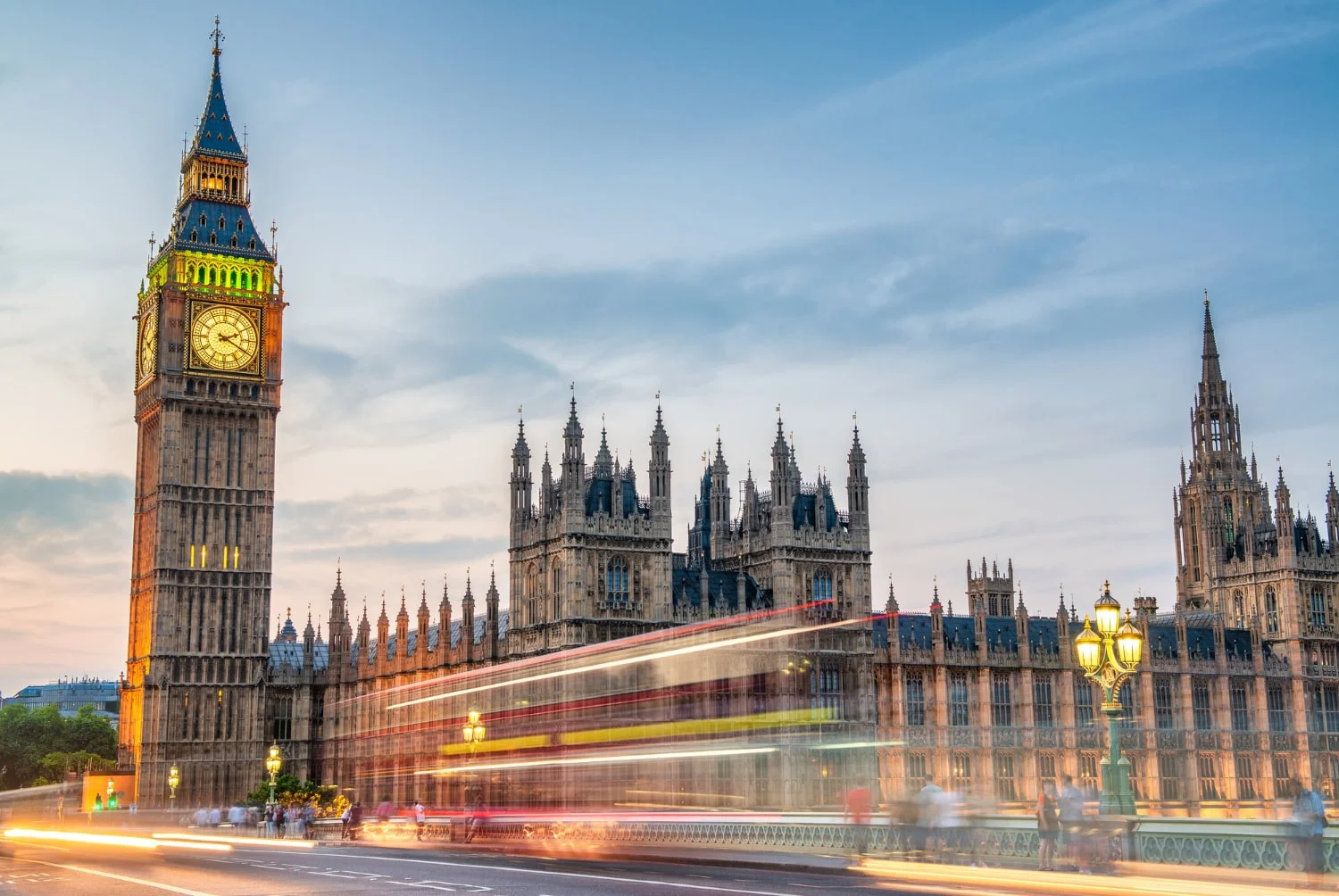
The Tower of London, officially known as Her Majesty's Royal Palace and Fortress of the Tower, is a historic castle with a history steeped in intrigue, power, and mystery. Situated on the north bank of the River Thames in central London, the Tower boasts over a thousand years of history. It has served as a royal residence, a prison, a treasury, a mint, and even a zoo. This unique combination of roles has cemented the Tower's status as a symbol of British history and a perennially popular tourist attraction. Here are 34 fascinating facts about the Tower of London:
- The Tower of London was founded in late 1066 by William the Conqueror.
- The White Tower, which gives the complex its name, was built by William the Conqueror in 1078.
- In the past, this was a prison that housed such famous prisoners as Anne Boleyn, Sir Thomas More and Guy Fawkes.
- The Crown Jewels are kept in the Tower of London, and this collection is still used by the British monarchy.
- The Tower served as the Royal Mint from the reign of Edward I until 1810.
- At various times, the tower housed a menagerie of exotic animals, including lions, elephants and polar bears.
- The expression "in the Tower" was coined to mean being imprisoned.
- Throughout history, there have been several successful and unsuccessful attempts to escape from the Tower.
- In the 17th century, this building housed the Royal Observatory.
- The Tower's ravens are famous throughout the world, and according to legend, if they fly away, the kingdom will fall.
- There are currently seven ravens in the Tower; their wings are slightly clipped to prevent them from flying away.
- The Yeomen Warders, also known as Beefeaters, are the ceremonial guardians of the Tower.
- The last execution at the Tower was that of German spy Josef Jacobs in 1941.
- During both World Wars, the Tower was used as a prison for captured enemy soldiers.
- There have been reports of encounters with ghosts, including that of Anne Boleyn, who was executed on Tower Green in 1536.
- In 1830, the moat around the tower was drained and a large number of human bones were discovered in it.
- The Koh-i-Noor diamond, part of the Crown Jewels, is kept in the Tower of London.
- Tower Bridge, an iconic symbol of London, is often mistakenly referred to as the Tower of London.
- The Tower was repeatedly besieged, and control of it was key to control of the country.
- The White Tower was once the tallest building in London.
- In the 12th century, the White Tower served as a royal residence.
- The Tower was expanded several times under Richard the Lionheart, Henry III and Edward I.
- The Tower contains more than 23,500 jewels, with a combined value of over £20 billion.
- The Key Ceremony is a daily event that has been held for at least 700 years and symbolizes the secure locking of the Tower.
- The Chapel Royal of St Peter in Chains is the burial place of several people executed at the Tower of London.
- The tower was damaged during bombing during World War II, but was repaired and restored.
- The Princes in the Tower were two sons of Edward IV who disappeared into the Tower, and their fate remains a mystery.
- The Tower was used as a royal residence by many medieval monarchs.
- The White Tower of the Tower is one of the best preserved examples of Norman military architecture.
- More than 2.8 million people visit the Tower annually.
- The tower has been featured in various plays, including some by Shakespeare, such as Richard III.
- In 1988, UNESCO listed the tower as a World Heritage Site.
- There is a superstition that six ravens must remain in the Tower to prevent a major disaster in Britain, so a spare raven is always kept.
- The tower also served as an armory and stored a wide arsenal of weapons.
The Tower of London stands as a testament to England's turbulent and multifaceted history. Its roles ranged from royal palace to prison, from treasury to menagerie, and the Tower's past is as rich as it is intriguing. These facts illuminate various aspects of the Tower, from its architecture to its inhabitants, from its treasures to its legends. A microcosm of British history, the Tower continues to attract visitors from around the world, enchanted by the stories and secrets that seem to still whisper within its ancient stones.