






We all swoon over cute kittens and adorable puppies and spend hours online scrolling through pages of ducklings, pandas, rabbits, squirrels, or baby elephants. It's understandable. No one wants to look at bizarre animals that might give you nightmares. Yes, animals are cute, especially when they're tiny and ferocious, and they always make us go "aww" in front of our screens and make us want to hit the share button. But there's another side to the animal kingdom that you might not know about. Of course, you're not expected to know every living creature on Earth, but we're pretty sure there aren't that many articles about the following specimens. Get ready to start scrolling through a list of the world's strangest creatures.
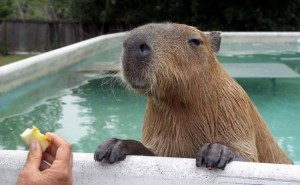
These giant rodents live in South America and can reach a staggering weight of up to 230 pounds (or approximately 115 kg). If that doesn't scare you, then you should read on to learn about their most unique characteristic: their teeth never stop growing, meaning they are constantly refining their grip. These semi-aquatic rodents live in groups of 10-20 capybaras, up to 100 individuals. Strangely, they are the largest rodents on our planet, and their diet consists of only five species of grass and some aquatic plants. In some parts of the world, they are hunted for their meat, which can be eaten during Lent.
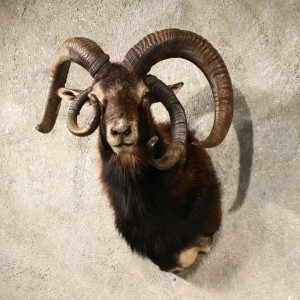
This English breed of sheep can have four to six impressive horns, which certainly adds to their ferocious, Mephistopheles-like appearance. No one knows the exact history of their origins, but it is believed that their roots lie in Syria. They are thinner and much faster than ordinary sheep because they are a family heirloom, meaning that humans have not tampered with the breed or changed anything.
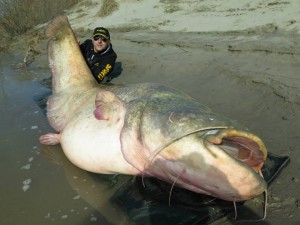
The third-largest freshwater fish in the world, the Wels's catfish is found primarily in Europe and can weigh up to 270 pounds (about 135 kg). You wouldn't think they're agile or skilled hunters, given their length and weight, but you'd be surprised at how inventive they can be. They use their massive size to create whirlpools that disorient their prey. Their tiny, Velcro-like teeth are sure to come in handy when they want to grab their prey and immobilize it in an instant.
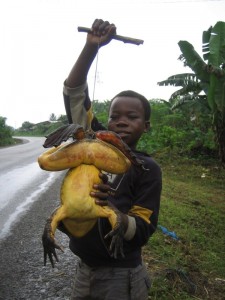
This species of frog is native to West Africa and is commonly found near rivers and waterfalls. An adult can reach a full length of 12.6 inches (32 cm) and weigh 7.17 pounds (3.25 kg), which is about the same as a newborn. Tadpoles are quite picky eaters, feeding on only one type of aquatic plant, but as adults grow, they begin to feed on dragonflies, worms, and locusts. The Goliath frog can live up to 15 years. They are now considered an endangered species, and although they are brought to zoos, they never breed in captivity.
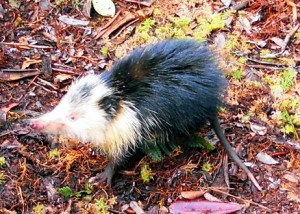
If this giant, venomous rodent gives you the creeps, you might be reassured by the fact that it can only be found in a few remote locations near Cuba. Now that we've established just how far they are from us, let's look at what makes them special. This insectivorous mammal is unique thanks to its venomous saliva, which helps it kill lizards, frogs, and even other rodents.
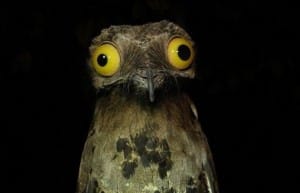
You won't believe this bird exists until you do a Google image search. The potu is a nocturnal insectivore, notorious for laying only one egg at a time, directly on a tree stump rather than in a nest. They spend their days camouflaged in treetops in Mexico and Argentina, with their eyes half-closed. If they suspect danger, they "freeze" and blend perfectly into the background, making it difficult for a potential predator to spot them.