






Among the thousands of animal species living in nature, there are a handful that manage to attract attention with their lifestyle, some with their diet, and some with their interesting coloration. But we won't be looking at any of them today, because in this article, we'll be looking at ten of the most amazing animals, each of which can somehow inflate itself...
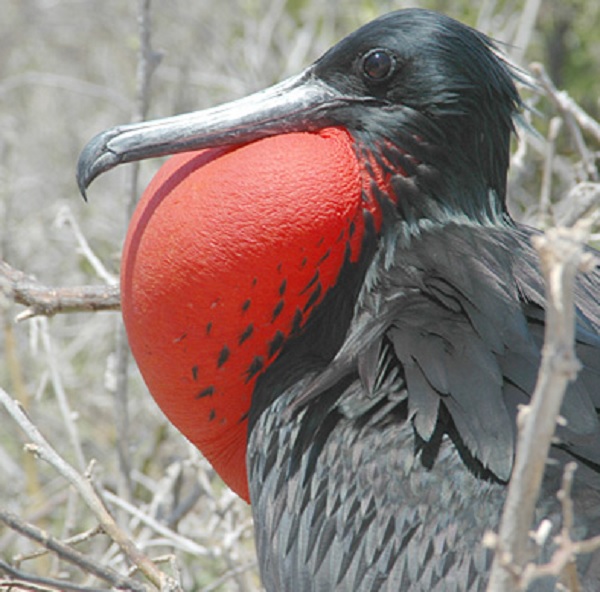
Frigate (Frigate magnificent)
Frigatebirds are a family of seabirds called Fregatidae, found throughout tropical and subtropical oceans. Five extant species belong to the genus Fregata. All have predominantly black plumage, long, deeply forked tails, and long, hooked bills.
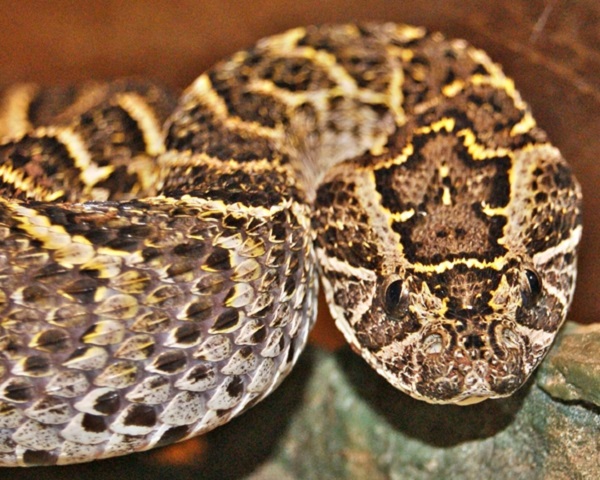
Puff adder (Bitis arietans)
When threatened, vipers inflate their upper bodies and hiss. This habit gives rise to their common name. Despite their slow movement, vipers are known for their rapid strike. According to Perry's Bridge Reptile Park, they can strike within 0.25 seconds of being threatened.

Elephant seals (M. angustirostris)
Elephant seals are very large oceanic earless seals of the genus Mirunga. Both species, the northern elephant seal and the southern elephant seal, were on the brink of extinction due to oil exploitation by the late 19th century, but their numbers have since recovered. They get their name from their inflatable, trunk-like snouts.
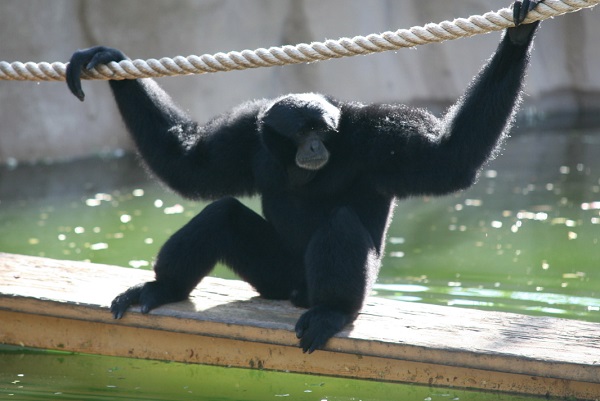
Siamang (Symphalangus syndactylus)
The siamang is an arboreal gibbon with black fur, native to the forests of Indonesia, Malaysia, and Thailand. The largest gibbon, the siamang can be twice the size of other gibbons, reaching up to 1 m in height and weighing up to 14 kg. It is the only species in the genus Symphalangus. A large gular sac (vocal pouch), found in both males and females of this species, can be inflated to the size of the siamang's head, enabling it to produce loud, resonant calls or songs.
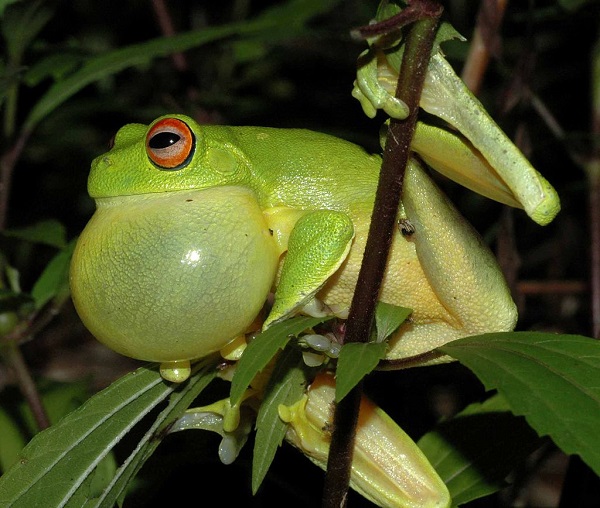
Red-eyed tree frog (Litoria chloris)
The vocal sac is a flexible membrane of skin possessed by most male frogs and toads. Its purpose is typically to amplify their mating or advertising calls. The presence or development of a vocal sac is one of the ways in which frogs and toads externally determine their sex in many species; frogs are an example.
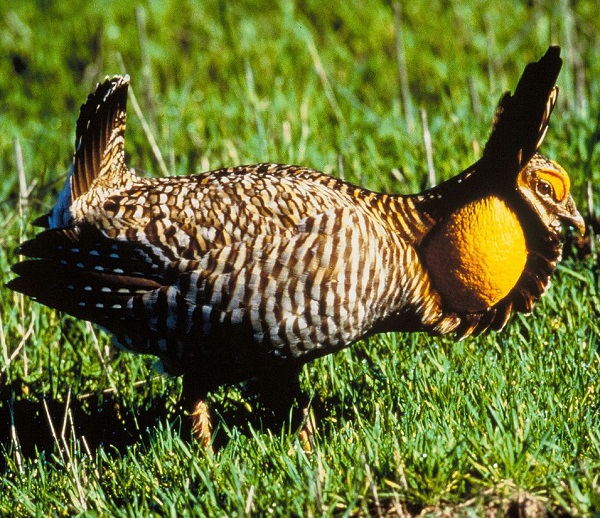
Attwater's prairie chicken (Tympanuchus cupido attwateri)
This species exhibits sexual dimorphism: males have elongated feathers called quills that rise to form something resembling an ear. The male also has bright orange or golden air sacs on either side of his neck, which he inflates during mating displays.
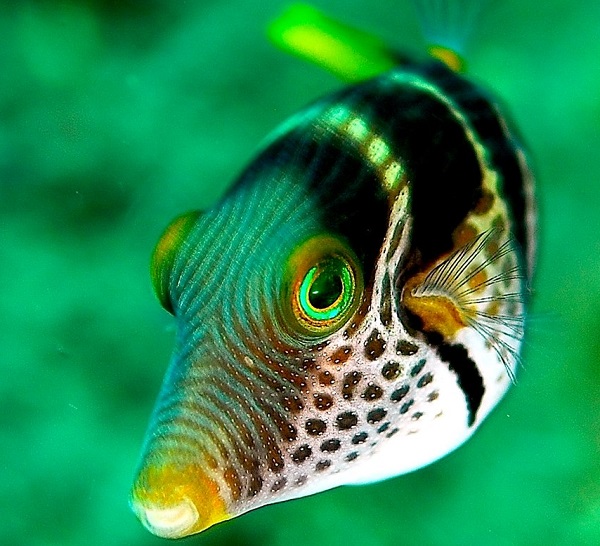
Pufferfish (Tetraodontidae)
Tetraodontidae is a family of primarily marine and estuarine fishes of the order Tetraodontiformes. The family includes many familiar species, variously known as pufferfish, blowfish, pufferfish, blowfish, bubblefish, globefish, rowanfish, toadfish, toadfish, toadfish, honey toadfish, sugar toadfish, and sea scrapers.

Greater sage grouse (Centrocercus urophasianus)
Birds have a double-barreled vocal apparatus (called a syrinx). Some species, such as the greater sage grouse, also have a pair of vocal sacs contained within a flexible gular sac. When sound waves emerge from the syrinx, they resonate with the elastic membrane of each sac, which, when inflated, stretches like a drumhead. The gular sac can also be brushed against the wing feathers to produce a dramatic whistling sound.
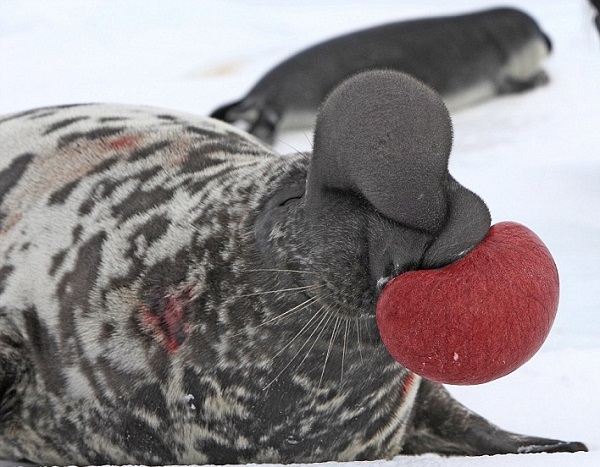
Male Hooded Seal (Cystophora cristata)
The hooded seal is a large phocid found only in the central and western North Atlantic, from Svalbard in the east to the Gulf of St. Lawrence in the west. These seals are typically silvery-gray or white in color, with black spots of varying sizes covering most of their bodies. The generic name Cystophora, translated from Greek, means "bladder bearer," referring to the species' unusual sexual feature—a distinctive inflatable bladder septum on the head of adult males. This bladder hangs between the eyes and down above the upper lip when deflated. Hooded seals can also inflate a large, balloon-like sac from one nostril.
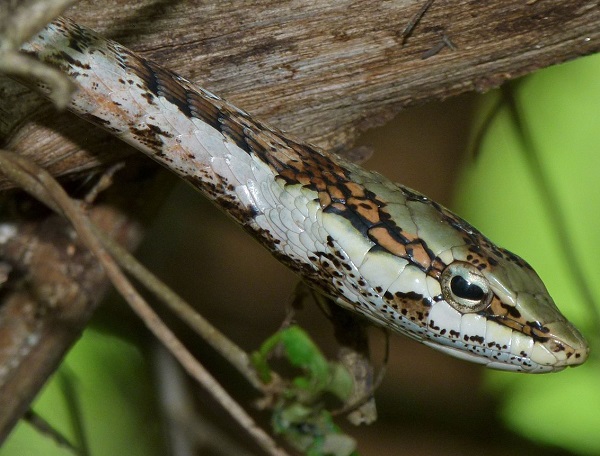
African branch snake (Thelotornis)
Branch snakes, also commonly known as bird snakes or vine snakes, are a genus of venomous, rear-fanged snakes in the family Colubridae. The genus is native to Africa. All species in the genus have a slender, elongated profile, a long tail, a narrow head, and a pointed snout. When threatened, they inflate their throats to reveal thick black markings between their scales.
Do you know any other amazing animals that can inflate? Which of these animals is your favorite? Let us know in the comments below.