








Author: Lauren Wilkin
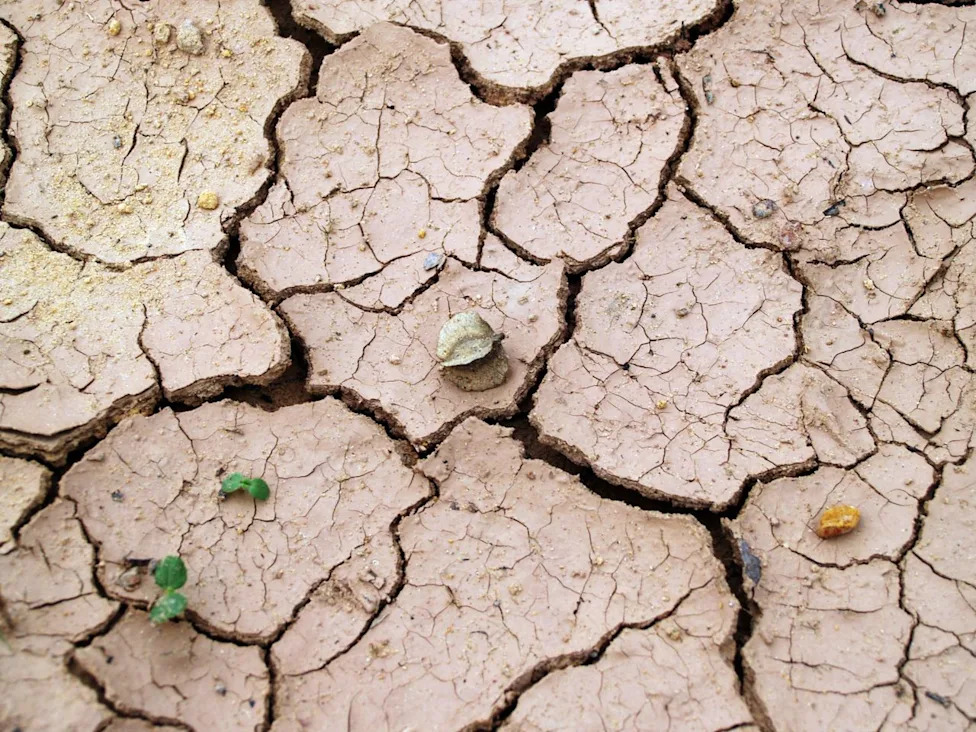
An expert from The Wildlife Trusts has revealed the true scale of the damage drought is causing to UK wildlife and named the five most threatened species.
«"Prolonged periods of heat and drought in the UK are having negative impacts on wildlife, but the impact varies across species," says Stan Smith, head of species and landscape recovery at The Wildlife Trusts.
At the end of July, the Met Office announced that half the country was experiencing flash drought – a drought that occurs over weeks or months rather than building up over years.
July saw just 7% of the expected rainfall, with the south of England seeing 1%, and no significant rain forecast for August.
«"Species whose populations are already fragmented or declining due to other factors may be less able to cope with this additional pressure," Stan explains.
«"For those that rely on wetter habitats such as marshes, peatlands and rivers – such as wading birds, amphibians and fish – these extreme conditions pose a real danger.".
Now Stan has shared information on the five species most at risk of extinction if the drought continues:
(Photo by Hector Berganza via Pexels)
1. Atlantic salmon
«"Drought reduces river flows, increases water temperatures, and depletes oxygen levels, creating stressful—or even deadly—conditions for fish," Stan explains.
«"As a migratory species, Atlantic salmon require sufficient river flows to reach their spawning grounds, while low water levels can hinder their upstream movement.".
«"And when the rains finally come, runoff from the hard ground can bring with it a flood of pollutants, further endangering fish life.".
Stan says Atlantic salmon are already classified as endangered in the UK, so the additional stress from drought is a major concern.
«"Atlantic salmon are a keystone species, transferring nutrients between marine and freshwater habitats, providing food for wildlife including otters and birds, and an important indicator of river health," he explains.
Many other fish species will also face difficulties due to the falling water levels.
«"The Environment Agency is already conducting rescue operations for fish, including trout, catfish, and small salmon. Lake fish such as Arctic char are also under threat.".
(Photo by PJ Mullen, Pexels)
2. Bumblebees
«"Bumblebees are susceptible to overheating in very hot weather and can struggle when drought reduces the availability of nectar and pollen-rich flowers," Stan explains.
«"There are long-term declines in several bumblebee species in the UK, with prolonged periods of heat and drought putting further pressure on them.".
«"In recent years, bumblebee species have already begun to move north in response to climate warming.".
Stan says this is deeply concerning, given that bumblebees are among the UK's most important pollinators, helping wildflowers and crops reproduce. Any decline in their numbers could have wider implications for biodiversity and food production.
«"We can all help by planting more wildflowers in our gardens and creating shady spots between tall grass, shrubs and hedges, as well as providing a water source with rocks and easy entry and exit points for bumblebees to land safely to replenish their water supplies," advises Stan.
(Photo by Connor Scott McManus, Pexels)
3. Great Crested Newt
«"Newts are particularly vulnerable to drought because they need to maintain skin moisture to breathe," Stan says. "They also need moist conditions to breed.".
The great crested newt is one of the rarest amphibians in the UK, and its population has declined sharply over the past 50 years.
«"They play a vital role in our ecosystems, hunting worms, insects and other small creatures, as well as becoming a food source for larger predators.".
«"They also help move nutrients between water and soil, which improves soil fertility.".
(Photo by Hartono Subajiyo via Pexels)
4. The Midwife Toad
«"Brushtail toads use shallow pools for breeding, but low water levels and lack of rainfall can significantly reduce breeding success because the pools can dry up before the tadpoles are fully developed," says Stan.
The expert says they are already very rare in the UK, with populations limited to around 60 habitats in Britain and a small number in south-west Ireland.
«"Brushtail toads hunt spiders, beetles and other insects, helping to maintain a balanced ecosystem.".
«"In the egg and tadpole stages they serve as food for aquatic insects and other amphibians, and as adults they become an important food source for wildlife such as birds, grass snakes, badgers and otters.".
(Photo by Mohit Khare via Pexels)
5. Snipes and lapwings
«"These wading birds feed on moist soil rich in worms and other invertebrates," says Stan.
«"As the soil dries out and hardens, it becomes increasingly difficult for them to find food.".
He notes that both species have seen significant declines in numbers in the UK, and prolonged dry conditions could make things worse.
«"Snipe and lapwing are characteristic species of wetlands and damp meadows.".
«"Their decline in numbers could indicate problems in these habitats, which are also vital for a range of rare plants, invertebrates and other bird species.".
(Photo by Ron Lach, Pexels)
What can you do to help?
While these species are "most at risk," Stan says many others are struggling in the drought.
«"Other species that could be affected include moles, plants such as the rare Tunbridge fern, and the mountain ringed butterfly," he adds.
And Stan calls on everyone to help.
«"Wildlife depends on water as much as people do," he says.
«That’s why The Wildlife Trusts is calling on everyone to help their local communities by ensuring safe access to clean water, providing shade where possible, and having a picnic rather than a barbecue when spending time outdoors to reduce the risk of bushfires.».
«"Saving water at home will also help conserve more water in the environment, helping endangered species," he adds.
But in the long term, he wants to see real change.
«"We really need to strengthen the support for natural water retention in our landscapes so that when rain falls, the water can be held in healthy soil and slowly released during periods of drought.".
«"The best ways to do this include increasing forest cover, reconnecting our rivers to floodplains, and bringing beavers back to our wetlands.".
The article "Expert warns that droughts put these 5 wildlife species at greatest risk" first appeared on the Talker website.