








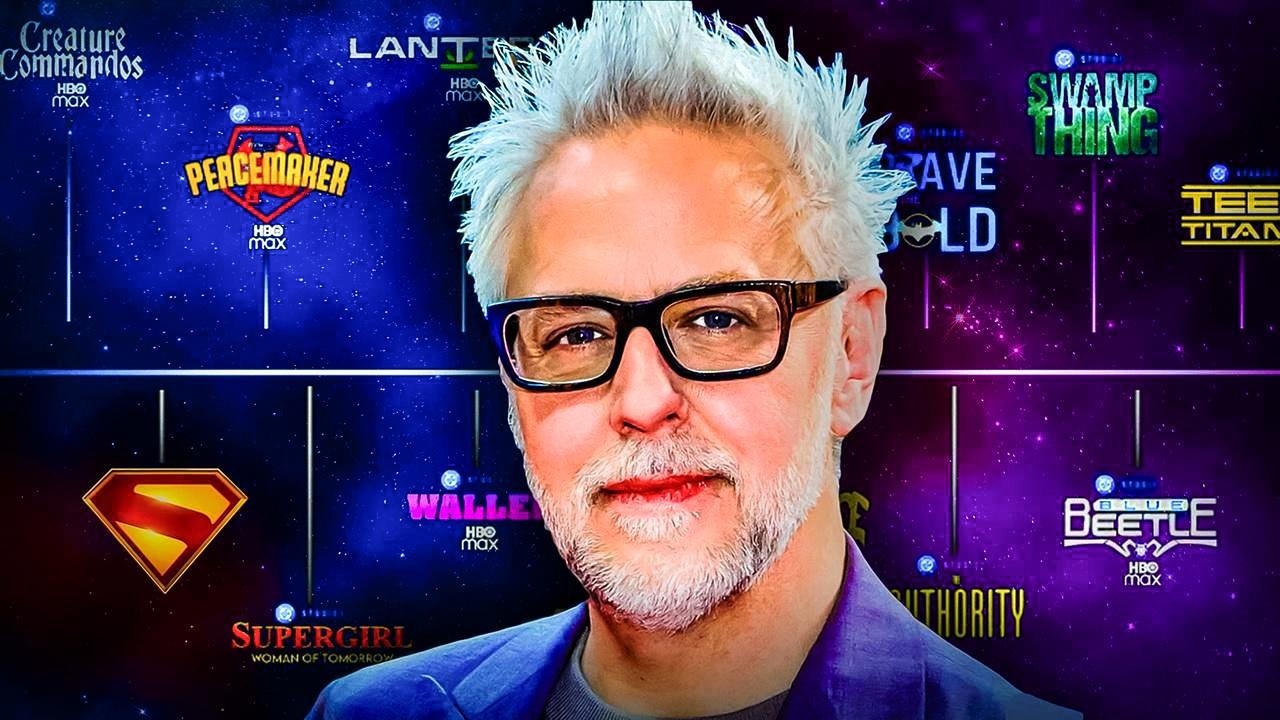
This month marks the official reboot of James Gunn and Peter Safran's DC Studios small screen universe with the arrival of a familiar animated universe. DC Studios' television universe came to the forefront in the latter half of 2024 and 2025 with the release of Creature Commandos and Peacemaker (season two), expanding the new DCU timeline by introducing new characters and exploring established ones like Christopher Smith and Rick Flag Sr. In the animated world, the upcoming release of Mister Miracle laid the groundwork for Darkseid's arrival in the DC Universe, while other alternate universe stories received DC Studios branding, signaling their official integration into the studio's plans.
The premiere of Season 3 of My Adventures with Superman on Adult Swim's Toonami block on Saturday, June 13, marks a quiet but significant milestone, as it marks the first time the animated series has officially been released under the DC Studios banner. Previous seasons were released under the older DC Entertainment banner, but Season 3 more clearly aligns with James Gunn and Peter Safran's vision for a cohesive DC multimedia universe.
While the season itself continues the story of Clark Kent, Lois Lane, Jimmy Olsen, and Supergirl, including the "Reign of the Supermen" storyline, the real crux is what this means for DC Studios' broader strategy for television and animation.
Under Gunn and Safran's leadership, DC Studios prioritized a unified approach across film, television, animation, and games. The goal was always to maintain consistency in characters and story where appropriate, while allowing distinct tones to stand out.
DC Studios' television plans extend far beyond the My Adventures with Superman universe. Beyond My Adventures with Superman, DC Studios also plans to expand its reach, confirming an animated series called Blue Beetle, which will see the return of lead character Xolo Maridueña, a second season of Krypto Saves the Day!, and even a second season renewal for its least popular show, DC Studios Showcase: The Official Podcast.
Other high-profile live-action projects are set to take center stage soon, especially after the successful second season of The Peacemaker on HBO Max.
James Gunn's DC Studios has a bright future across its various television universes.
New DCU Timeline
Led by James Gunn and Peter Safran, DC Studios is the company's flagship, interconnected live-action film ecosystem designed to directly integrate with DC's feature films. This slate includes projects such as Peacemaker, Starlight, an untitled Jimmy Olsen series, and other shows in development, such as Paradise Lost and Booster Gold.
This year, the Green Lantern series will take center stage when it premieres on HBO Max on August 16. It will expand the DC Universe's Green Lantern mythology, explore the franchise's cosmic scope, and potentially tie into DC's final chapter, "Gods and Monsters," through a detective storyline. Jimmy Olsen's series will offer the opportunity to explore standalone stories, expand the world of the Daily Planet, and introduce classic villains like Gorilla Grodd.
The Paradise Lost comic will likely explore the politics and intrigues of the Amazon before Diana Prince makes her full appearance. Meanwhile, Booster Gold is expected to be a lighthearted and fun time-travel adventure that could lay the groundwork for crossovers with the wider DC Universe.
The future of the DC Universe looks promising, as this slate of projects perfectly illustrates DC Studios' philosophy of integrating various styles and genres within a common universe.
Matt Reeves' Batman crime saga
Matt Reeves' Batman crime saga is completely separate from the main DC universe and is positioned as an "Elseworlds" story.
Despite this, the franchise's realistic, noir universe has demonstrated its enormous potential on the small screen following the critically acclaimed and award-winning success of the first season of Penguin on HBO Max. Although initially pitched as a miniseries, discussions about a possible second season of Penguin continue.
This corner of the alternate DC universe prioritizes mature, cinematic television series that are perceived as prestige crime dramas imbued with superhero (or villain) DNA. With Batman: Part II remaining a priority (production continues), the television direction, as Penguin demonstrates, is poised for long-term development within this standalone crime saga.
BONUS: Batman: The Caped Crusader
Batman: The Caped Crusader is a spiritual successor to Tim Burton's Batman: The Animated Series, reimagining Batman's early years in a retro-noir style. The first season premiered in 2024 without the full DC Studios branding, but the second season (scheduled to premiere on Prime Video on July 31) is more in line with the DC Studios brand.
It's a stylish, standalone Batman detective story with a unique aesthetic, and the first season offers a cohesive plot, fresh takes on iconic villains like the Penguin, and compelling storylines for Harley Quinn and Two-Face.
The second season of Batman: The Caped Crusader will continue the momentum of the first season, introducing new versions of the Joker, the Riddler, the Scarecrow, and another gender-swapped villain, the Mad Hatter. Carrie Kelley will also take center stage in the second season, as an official image of a female Robin in the Gray Ghost costume suggests she will play a more active role in upcoming episodes.
In the midst of DC Studios' growing multiverse, Batman: The Caped Crusader continues to prove that bold animation that combines strong storytelling and compelling character design can stand out and make a splash, even when it's not part of the main DC Universe timeline.