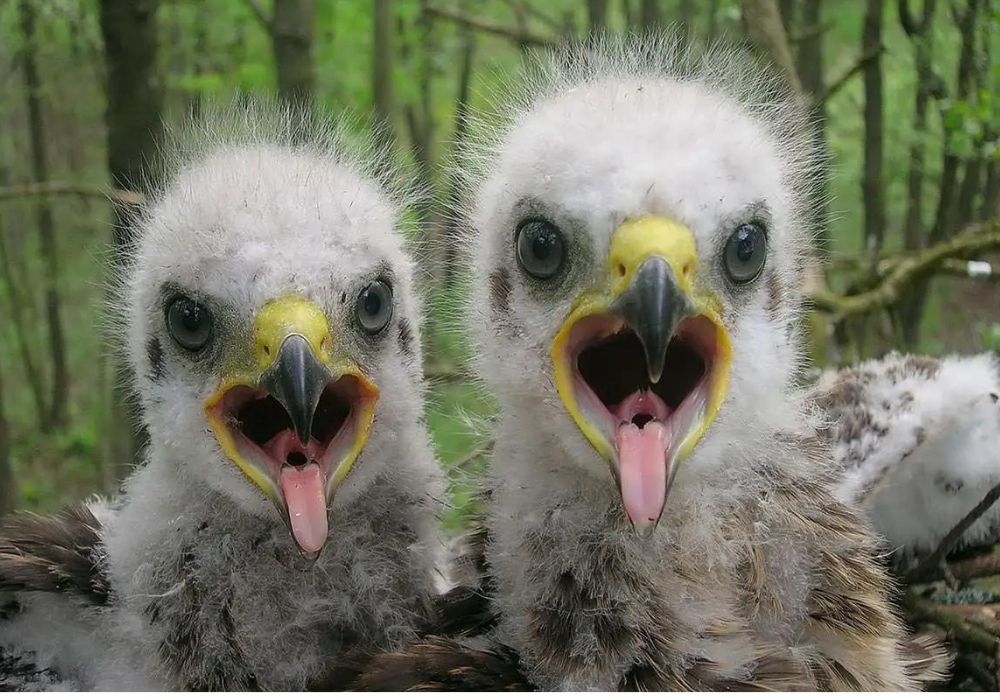
Nearly four decades after the Chernobyl disaster, the world's worst nuclear accident, the region is beginning to show signs of life. Wildlife in Chernobyl thrives in the contaminated zone, adapting to its natural environment in one way or another. The Chernobyl Nuclear Power Plant Exclusion Zone, once considered uninhabitable, has transformed into a haven for animals and plants, proving that life somehow found a way. Let's explore the details together.
1. Animals in Chernobyl survived against all odds.
On April 26, 1986, due to design flaws and inadequate personnel training, reactor No. 4 at the Chernobyl Nuclear Power Plant exploded. The disaster devastated the surrounding area, resulting in total radiation levels hundreds of times higher than those from atomic bombs.
In the city of Pripyat, the radiation from the disaster turned the leaves of thousands of trees rust-colored, leading to the forest being renamed the Red Forest. Workers eventually bulldozed the radioactive trees. Furthermore, Soviet soldiers were ordered to shoot stray animals within the 1,000-square-mile Chernobyl Exclusion Zone. Although experts now believe some parts of the region will remain dangerous to humans for another 20,000 years, many animal and plant species managed to survive.
2. The absence of people has made Chernobyl a new home for wild animals.
The Chernobyl disaster revealed a world without humans. Hunting is strictly prohibited in this area, making human habitation impossible. This is why nature has created its own habitat, independent of human activity. Some animal species thrive within the Chernobyl Exclusion Zone than outside it.
3. There are more bears and wolves than people in Chernobyl.
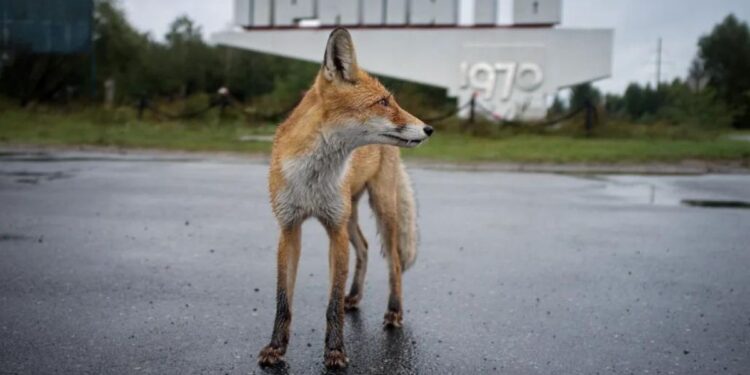
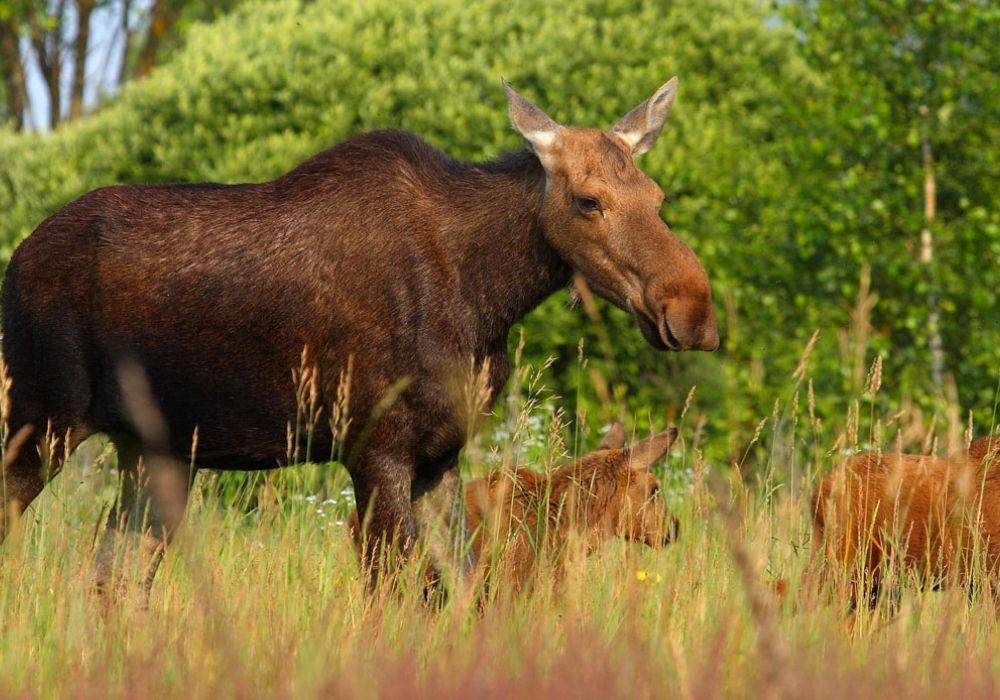
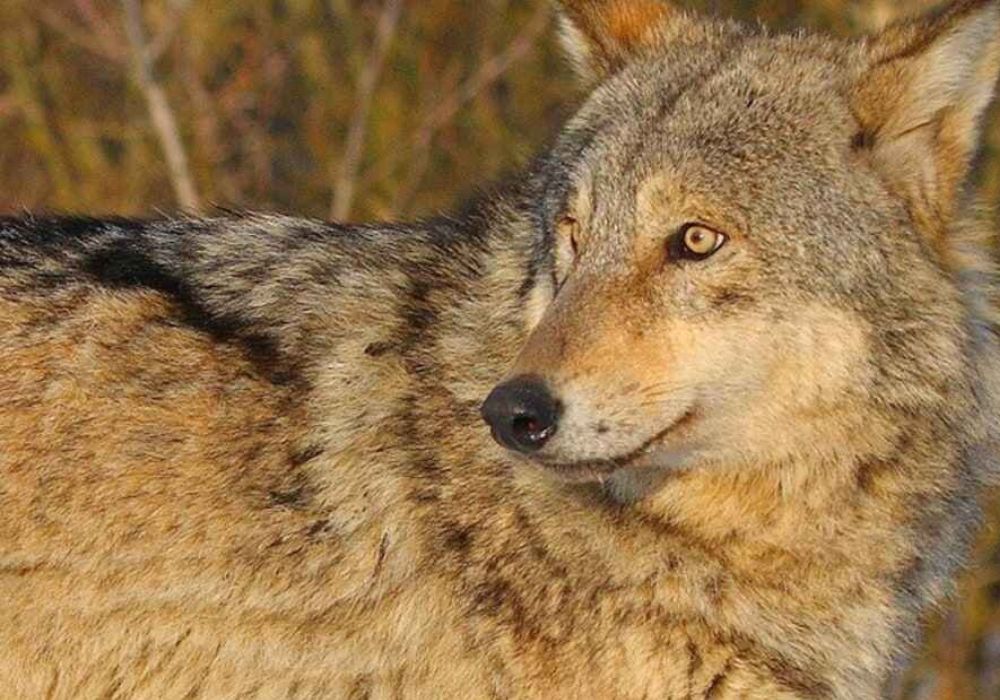
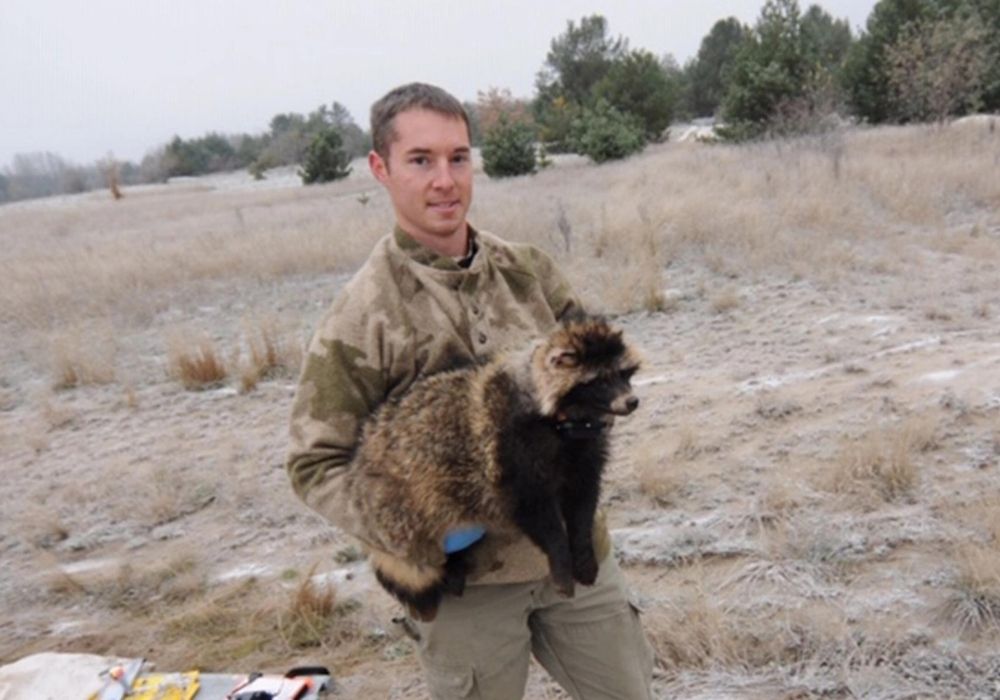
According to biologist Jim Beasley, the population of large mammals in the area has increased compared to what it was before the disaster. Bears, wolves, lynxes, bison, deer, beavers, foxes, badgers, wild boars, and raccoon dogs are just some of the species inhabiting the radioactive Chernobyl area. In addition to large animals, the uninhabited area was home to various amphibians, fish, worms, and bacteria.
4. The population of an endangered species of wild horses has begun to increase.
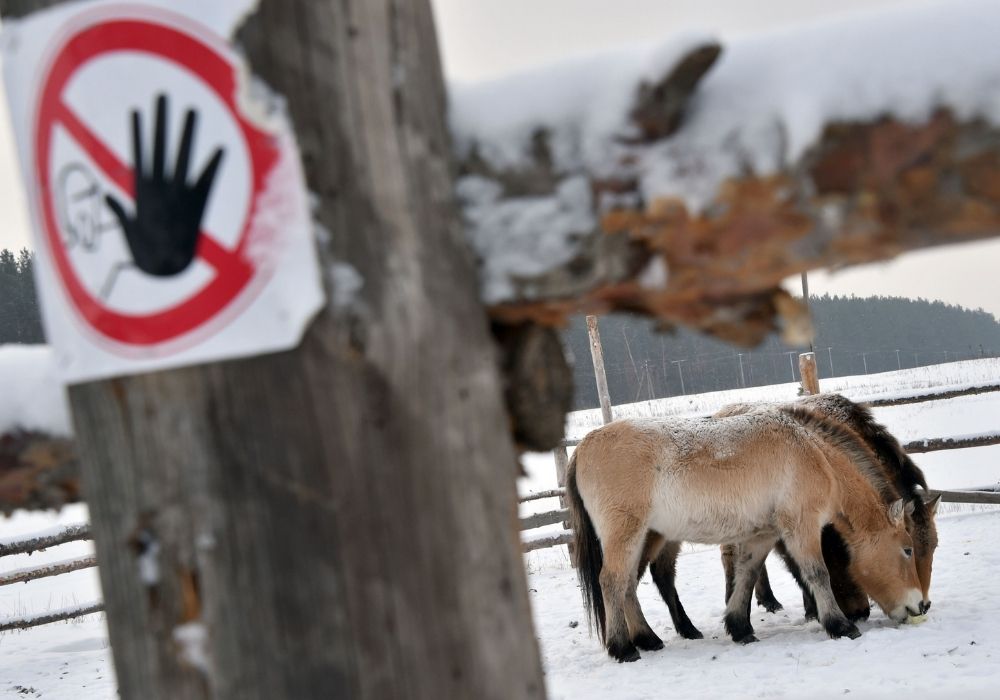
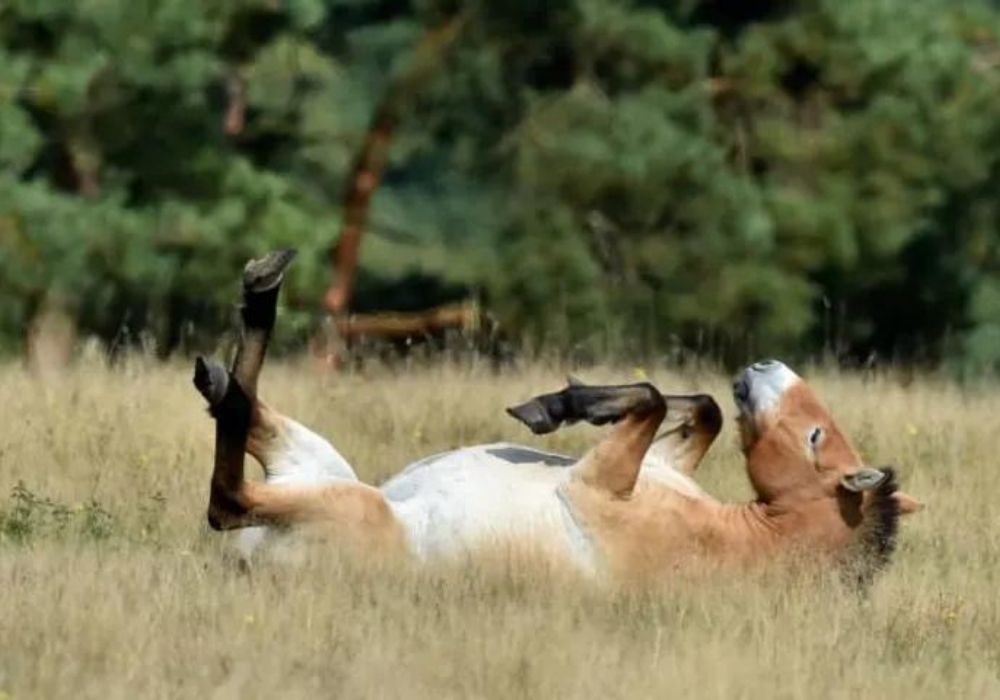
The National Zoo and the Smithsonian Institution's Conservation Biology Institute have called the Przewalski's horse, or Mongolian horse, "the last truly wild horse." The horses, which once inhabited vast swathes of Asia and Europe, were on the brink of extinction. However, British ecologists studying the impact of radiation on Chernobyl wildlife have noted that the Przewalski's horse population in the Chernobyl area is increasing. By the late 1990s, approximately 30 Przewalski's horses were released on the Ukrainian side of the radiation zone, and today the population has grown to over 200 individuals.
5. Radiation may have killed insects in Chernobyl
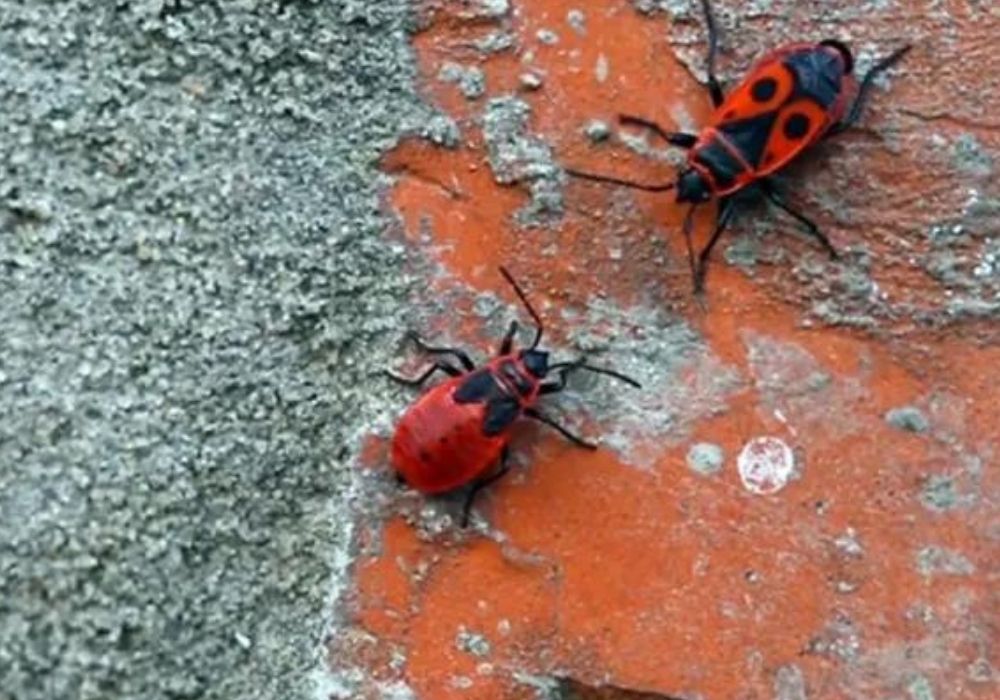
Unlike animals and plants, the population of insects and spiders in Chernobyl has declined significantly. A study published in the journal Biology Letters in 2009 found that excess radiation was negatively impacting insects in some areas around the Chernobyl disaster zone.
A similar situation occurred after the Fukushima nuclear accident in 2011. Although bird, cicada, and butterfly populations in Fukushima declined, other animals were unaffected.
6. Animals in Chernobyl are considered mutants.
Scientists have noted significant genetic changes in organisms affected by the disaster. According to a 2011 study by Biological Conservation, genetic mutations in plants and animals living in Chernobyl increased 20-fold. Further research is needed to understand how this increased mutation rate affects species reproduction rates, population size, genetic diversity, and other survival factors.
7. Mutation is not what you think
There are no two-headed bears or four-eyed fish in this region, as in the movies. The animal mutation in Chernobyl is very rare, causing some of them to grow faster.
Cesium-137, one of the radioactive isotopes detected in the region, has a lifespan of over 30 years. This isotope accumulates in some vegetables eaten by animals, disproportionately affecting them. For example, field mice fed on radioactive mushrooms were found to be less fertile, and their population declined as a result.
8. Albinism has been observed in swallows.
It turned out that swallows in the area exhibit partial albinism, likely the result of radiation-induced genetic mutations. In areas with high radiation levels, the population of birds with smaller brains and lower sperm counts increased.
9. Chernobyl dogs adopted
The descendants of dogs abandoned by their owners during the evacuation of the city on April 27, 1986, have been living in the abandoned area for many years. Now, an organization called the Clean Future Foundation helps conduct sterilization campaigns in Chernobyl. They also provide medical care, vaccinations, and even food to children affected by the disaster.
In 2018 and 2019, several dogs were found to have radiation levels considered safe for humans and were put up for adoption.
10. There are people living in restricted areas.
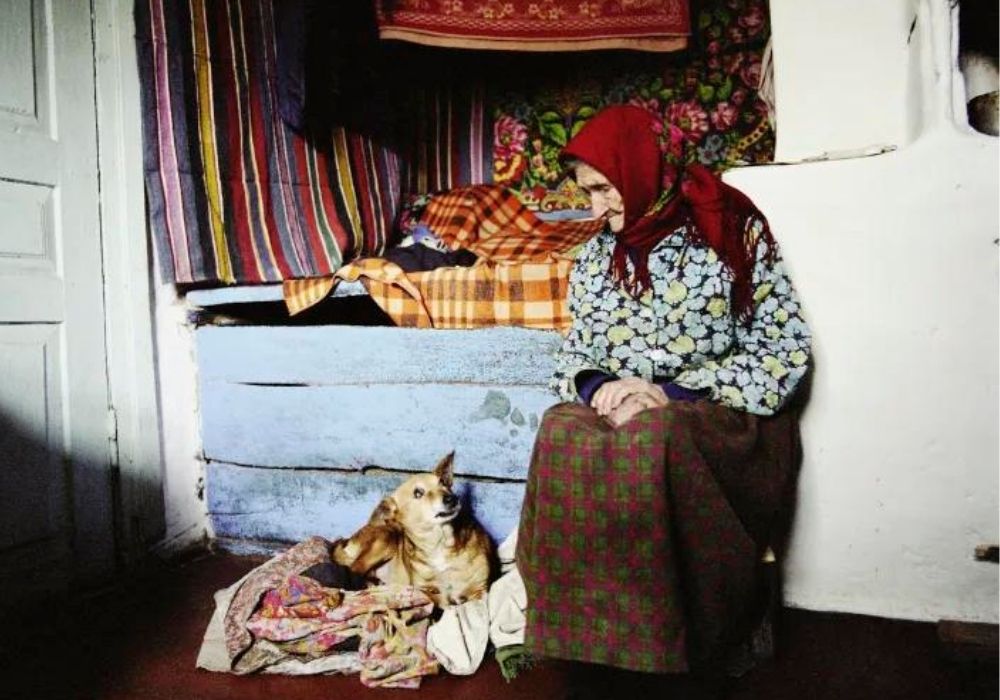
Some dogs from Chernobyl have been adopted by people living in restricted zones. Several villages near the city, also known as exclusion zones, are home to large numbers of people with the tacit consent of the authorities. These are primarily women and elderly people who lived in the area before the disaster.
We've reached the end of our article. Have a nice day.
Who is Viktor Bryukhanov, the scandalous name of a victim of the Chernobyl nuclear disaster?
Chernobyl Wildfire: Radiation Levels in the Region Increase 16-Fold
Share your opinion in the comments!
Interesting to know
10 Amazing Animal Facts That Will Blow Your Mind An integral part of our lives are not only our four-legged friends, but sometimes also winged and crawling ones. They are a part of nature that somehow has to coexist with us. We...
10 Most Fascinating Facts About Turkey Today we'll tell you about a country that's a favorite destination for people in the former Soviet Union. Here are ten interesting facts about Turkey. 1. Running could decide life or death...
30 Interesting Facts About Dream Incidents For most people, the word "sleep" is synonymous with calm and relaxation after a long day. In fact, during this unconscious state, the body undergoes a multitude of changes. It...
10 Amazing Stories About Talented Animal Actors Animal actors often achieve considerable fame, albeit under the name of the character they're portraying, not their own. This hardly seems fair, especially since...
5 Most Interesting Facts About Polar Bears Who doesn't love this big white polar bear? Polar bears are at the top of the food chain and are vital to the health of the Arctic marine environment, as well as...
5 Key Facts Dog Owners Should Know If you're a dog owner, you probably know your pet inside out. You know all about their favorite toys, favorite sleeping spots, favorite snacks...
8 Most Interesting Facts About Day of the Dead Day of the Dead is a holiday dedicated to the memory of the dead and one of the most famous traditions in the world. Celebrated on November 1st and 2nd, it aims to...
10 Most Interesting Facts About the Human Body How many times do you stop to consider how extraordinary your body is? Millions of internal processes occur within these complex machines every second, working...
15 Most Interesting Facts About the Internet and the Web Since 2005, several countries around the world have celebrated Internet Day annually on May 17. On this day, events are held to pay tribute to this communications and information...
10 Interesting Facts About Magnets: Types and Applications Mysterious and wondrous, magnets have captivated scientists and inquisitive minds for centuries. With their help, we create devices that can navigate, lift heavy objects, and...
10 Interesting Facts About ChatGPT It can help you write an essay or make the right court decision, find bugs in your code, and allow you to live forever in the Metaverse—all this is about ChatGPT. This popular...
Top 10 Fastest Animals in the World A well-trained athlete can reach speeds of 45 km/h, but most of us run no faster than 30 km/h. When it comes to running, humans are far from...
10 Interesting Facts About Famous Mascots A mascot is a brand's talisman. Some mascots, like the Michelin Man, have been around for over a century. But every mascot, even a brand new one, has its own unique, and...
10 interesting facts about Soviet cartoon characters Soviet cartoons remain beloved and popular not only among children but also among older generations. They are heartwarming, kind, instructive, and sometimes a little...
7 Facts That Can Ruin Your Childhood Memories Childhood is a golden time, when the world is perceived in bright colors, and you don't want to think about anything negative. However, what is perceived in childhood with...