








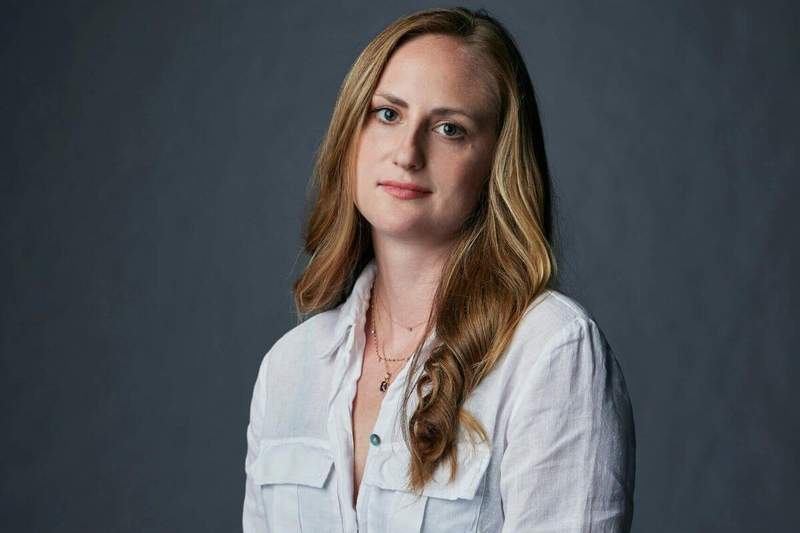
Acclaimed Memphis director Suzanne Herbert turns her gaze to a small Mississippi town, and the result is a sensitive, thoughtful, and at times uncomfortable look at the complex stories that shape the South. «Natchez» , which is now airing on PBS Independent Lens, wins awards and sparks debate, attracting audiences across the country.
Meet award-winning documentary filmmaker Suzanne Herbert! Image: Pinkney Herbert
When did you first realize that storytelling—and documentary filmmaking in particular—was your medium?
As a teenager, I immersed myself in organizing our family photo albums. Looking back, I realize these were my first projects in visual storytelling and editing. In high school, I began making films with Rachel Corr Nager, who remains one of my closest friends. We started with lighthearted, fun films, like ones that told stories about our 20 Best Places to Eat in Memphis .
Then we decided we needed to get serious and make a "real" documentary. We called it «Art and Soul» and explored how Memphis influences the work of artists and musicians. We interviewed friends of my parents and the people I grew up with. After long nights of editing that seemed to fly by in minutes, I realized that filmmaking was my passion.
How has your Southern heritage influenced the kind of director you have become?
Oh, how could it not?! A few examples of how the South shapes me and my work in countless ways: listening to my Virginia grandmother sit on the porch with a whiskey in her hand and tell outlandish and often offensive stories about our family; the smell of sizzling fried okra mixed with cigarette smoke wafting from my Arkansas grandmother's kitchen every summer Sunday; climbing the enormous magnolia tree in our front yard and watching the world go by, unaware to the neighbors below; being surrounded by poverty but too privileged to be consumed by its clutches; absorbing the sounds of blues, Stax, Elvis, and Three 6 Mafia everywhere I went; becoming gradually aware of the immeasurable, nationally significant historical events that the people of Memphis had witnessed, many of which still influence us today.
«"My childhood in Memphis shaped every aspect of my identity as a filmmaker," says Suzanne. "My father (Pinkney Herbert) is an abstract artist, and my mother also worked in the arts, so my sister, Waverly, and I grew up going to local gallery openings, museums, concerts, and our father's studio at Marshall Arts." Image: Noah Collier
Natchez allows viewers to experience discomfort rather than pushing them toward easy conclusions. Why was it important to structure the film this way?
There are no easy answers to the questions raised in the film, and I wanted to show the complexity of our country, the South, and humanity, not simplify them. I hope people will embrace this discomfort, reflect, and then begin to discuss these topics with their families, friends, and communities.
One of the most interesting aspects of "Natchez" is that it ultimately tells a story about much more than just one Mississippi town. At what point did you realize the film had become something larger and more universal?
From the very beginning, I understood that Natchez, this city, is a microcosm of the problems facing the country politically and culturally. Many Natchez residents make their living from historical tourism and are therefore forced to engage with history on a daily basis. In most American cities, the past is easy to ignore.
This film allows all Americans to see the lasting impact our shared history has on our lives and our communities today.
Welcome to Natchez! The film won the Best Documentary award at its premiere at the 2025 Tribeca Film Festival, was named one of the five best documentaries of 2025 by the National Board of Review, and has won 19 festival awards. Image: Noah Collier
How did you build enough trust in people to capture their candid and vulnerable moments on camera?
Time. In 2019, I began spending extended periods of time in Natchez, both with and without a camera. I gave people the time and space they needed to share their stories and perspectives with me at their own pace. I was curious to learn about everyone's perspectives on history and how they approached it during their tours. I did a lot of listening.
You're currently experiencing a significant career moment—sold-out shows, national attention, and competition recognition. What surprised you most about this whirlwind of events?
The reaction to the film exceeded all my expectations. It's absolutely amazing. I had no idea how enthusiastically audiences would respond to it. I've heard hundreds of different memories, stories, emotions, and thoughts that the film evoked in people, and that's the most rewarding thing for me.
After working on Natchez, Suzanne gained a deeper understanding of why some people cling so tightly to myths, racist ideologies, and traditions. "Sometimes trying to understand the South makes me dizzy, but more often than not, the burden of unraveling it all ultimately only deepens my love for this place," she says. Photo: Luz Gallardo
What was it like watching audiences across the country react to a film that is so deeply connected to the South?
My biggest fear was that audiences outside the South would laugh at us or use the South as a scapegoat. Fortunately, in my experience screening the film across the country, the reaction was quite different.
I think audiences see the universality of the stories and the humanity in each person featured in the film. Throughout the process, it was crucial for me and my team to showcase the complexity and challenge stereotypes about each of the main characters.
Making documentaries requires immense patience and emotional stamina. What keeps you going during those long periods when a project seems uncertain?
Delusions and obsessions! This requires an incredible passion for the subject matter, the people, and the world it depicts. My wonderful producer, Darcy Mackinnon, keeps me grounded and supports me through all the ups and downs.
My creative team—Darcy, Noah Collier (cinematographer), and Pablo Proenza (editor)—inspire me to continue creating and striving for excellence. Finally, self-doubt and creative anxiety could easily get the better of me if it weren't for my family, friends, and especially my husband. They are always there to listen, support, and offer wise advice.
Suzanne hopes Southern audiences feel seen, heard, and challenged: "The best compliments I get for the film are when Southerners tell me how honest the film felt to them and their experiences." Image: Noah Collier
What stories will catch your attention in the future?
Something Southern. My long-term goal as a filmmaker is to make a film for every Southern state. So far, I've made one film for Mississippi and one for Alabama— «Wrestle» .
Changing the subject slightly, what would surprise people if they knew this about you?
I had a baby during filming and editing. film "Natchez"« . She's our best helper on the album tour. «Natchez» .
After graduating from NYU's Tisch Film School, Suzanne settled in New York City, right next door to her sister. Photo: Luz Gallardo
Finally, what is the best advice you have ever received and from whom?
When it came to launching this project, the incredible director Tia Lessin told me that in order to raise money, I needed to make something. It sounds so simple, but I naively thought that after the success of my first film, «"Struggle »"Someone will simply fund my idea. That happens extremely rarely!
BLITZ SURVEY!
Three things you can never be without? My water bottle, a light jacket for air-conditioned restaurants, and my phone (unfortunately). Dream vacation spot? Japan. What's a great book you've enjoyed recently? «The Oracle's Daughter: The Rise and Fall of an American Cult» Harrison Hill. This is a gripping and heartbreaking true story about extremism, femininity, and family. A daily ritual you never miss? Coffee and reading to my daughter. Favorite movie-time snack? Wine.
This article contains affiliate links to products. We may earn a commission if you make a purchase through one of these links.
**********
To see more inspiring faces, click HERE!