









The generation that fought in World War II, both abroad and at home, has long mythologized those years as a symbol of complete American unity and commitment to victory. America created the world's largest industrial base at the time during the war. It achieved full employment, fielded victorious armies across the globe, built the largest navy in history, and developed nuclear energy and weapons technologies. That's right, and it was a Herculean effort.
But the image of the home front marching in step with the troops is false. Americans resented rationing and took steps to alleviate its hardships, using both legal and illegal means. Thousands sought to escape the draft. Rationing, especially of gasoline, meat, and sugar, created massive black markets across the country, much like Prohibition two decades earlier. Recruitment offices, corrupted by political machines and organized crime, sprang up in cities across the country.
Film and literary depictions of the time ignored public grumblings about wartime restrictions and focused on patriotism. Many still do. It's simply the time-honored practice of one generation reminding subsequent generations how much better off they are, while the old days were harder. Make no mistake, millions of Americans sacrificed during World War II. But most weren't happy about it, and many took steps to make their sacrifices a little less strenuous. Here are ten facts about the home front during World War II.
10. Gasoline was rationed, but not because of a fuel shortage.
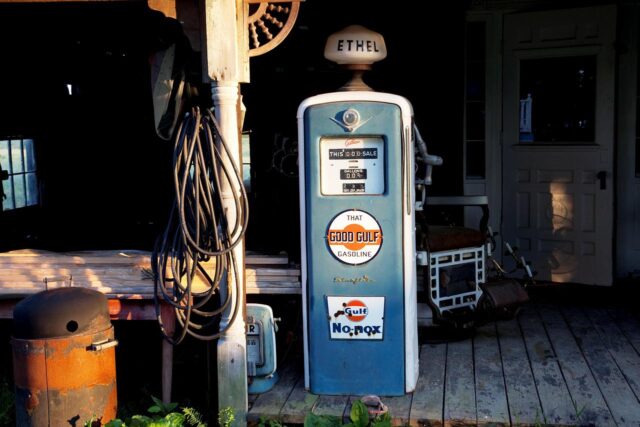
The United States never experienced a fuel shortage during World War II, despite the massive consumption of the Allied war machine and the industries that supported it. On December 11, 1941, just four days after the attack on Pearl Harbor, the Office of Price Administration announced the creation of 7,500 food boards nationwide. The boards, composed of unpaid volunteers, were tasked with rationing items needed for the war effort. People connected to the board members, professionally or personally, had the opportunity to cheat the system . Fraud has become widespread in some areas.
The first items to be rationed were tires. Before the war, the United States imported almost all of its rubber, much of it from areas then occupied by the Japanese. To conserve existing tire supplies, the sale of new automobiles was suspended on January 1, 1942. Only certain professions were permitted to purchase vehicles from existing stockpiles. These included medical workers, other professionals deemed essential to the war effort, and the clergy.
Gasoline rationing was introduced to change behavior , forcing consumers to change their driving habits and thus save tires. It was almost universally despised. Letter stickers attached to cars notified fuel retailers how much gasoline the owner was entitled to purchase per week. In addition to stickers, drivers had ration cards that recorded the amount purchased. "Stickers," the lowest category, were allowed to purchase up to four gallons per week. "X stickers," the highest, allowed unlimited fuel purchases. Unsurprisingly, about 200 members of Congress received X stickers, sparking national outrage. Americans resisted gasoline rationing throughout the war, especially in the West, where long distances required more fuel.
9. Americans had to be convinced to buy war bonds
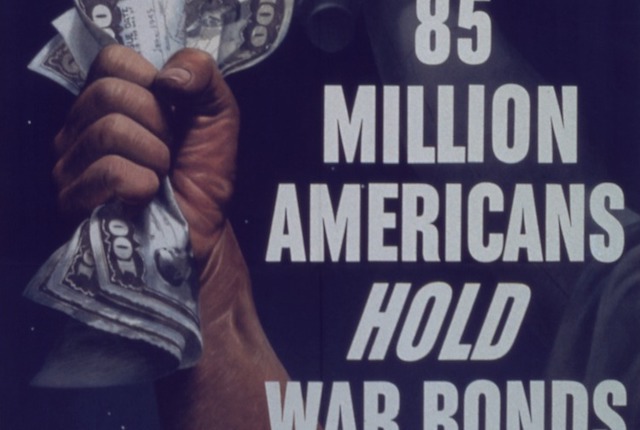
During the war, over $250 million in advertising donations begged Americans to buy war bonds. War bonds were intended to withdraw cash from circulation , to reduce inflation, and to finance the war. Americans were bombarded with advertisements, films, radio programs, Bond Drives, and posters urging them to buy bonds. About half of all Americans did so, raising approximately $185 billion, even though the bonds were paying below market rates when they matured in 10 years.
Advertisements appeared on radio programs, newsreels, short animated films , advertising in magazines, newspapers, posters and in the closing credits of feature films. War Bond Drives, Endorsed by celebrities and decorated combat veterans, the War Bonds campaign encouraged Americans to buy bonds. Children were encouraged to save stamps until they could redeem them for bonds. Eight separate war bond sales were held during the war, widely promoted by donation drives. All exceeded their stated goals.
Of the $185 billion raised through wartime bond sales, $156 billion entered the national treasury through eight scheduled sales, the last of which took place in the fall of 1945 after Japan's surrender. The government promoted war bonds (called Series E bonds) as "the greatest investment on earth." Their sales continued until 1980, when they were replaced by other government bonds.
8. Black markets for food rationing flourished in the United States.
As rationing spread across the United States, consumer resistance grew. Sugar, coffee, cooking oils, some dairy products, meat, canned fish, jams and jellies, and numerous processed foods were rationed. To obtain food on ration cards, consumers needed cash to pay for them, as well as the necessary ration points listed in ration books obtained from local councils.
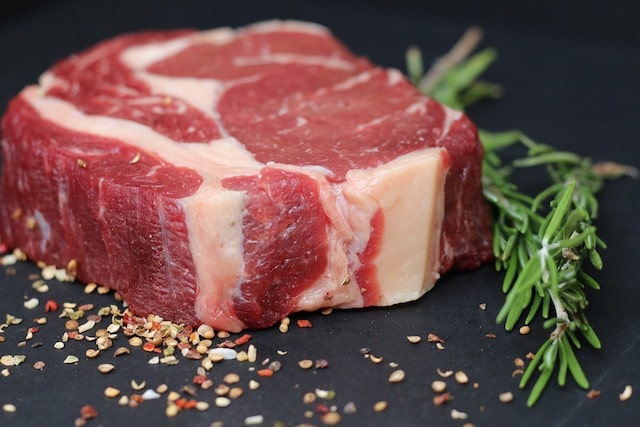
Black markets for rationed food emerged almost as quickly as rationing itself. Meat became a popular black market item. In early 1945, a Pittsburgh Post-Gazette reporter took over a truck and bought more than tons of beef, veal and pork on the black market within a 30-mile radius of the city, all of it obtained illegally. Despite the fact that several other protein sources were available without rationing, including some types of meat, Americans resisted attempts to restrict their consumption of the foods they were accustomed to.
In the United States, black market traders have found large buyers' market , willing to flaunt the rationing system and buy illegal goods, especially meat, sugar, and gasoline. Another illegal market—counterfeit food stamps—flourished in many cities. Just as the population resisted Prohibition in the 1920s, rationing led to a surge inanother form of bootlegging, replacing alcohol with other consumer goods that people refused to give up despite government action.
7. Modern recycling practices began with scrap metal disks.
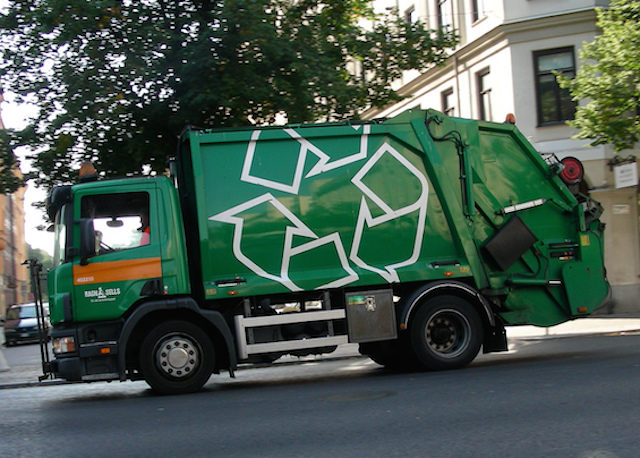
During World War II, organized dumps of metals, cooking oils (recycled into gelatin used in explosives), rubber, leather, and paper began the practice now known as recycling in the United States. When the war began, More than 1 million tons of scrap metal could be found on American farms alone. , which would have been enough to build over 100 battleships. Before the war, there were few options for what to do with the metal other than simply leaving it to corrode in the fields.
The exponential expansion of government and military bureaucracy generated enormous demand for the government's basic material output. Paper shortages began almost immediately. Paper storage devices They collected newspapers, magazines, boxes, cardboard cartons, and other items for recycling. Paper hoarding from World War II directly contributed to the shortage of many pre-war magazines and comics, increasing their value as collectibles for subsequent generations.
They collected almost all of it for scrap metal everything that could be recycled. Tin cans, bicycle tires, broken tools, discarded pots and pans, leather goods, nylon, old clothing, recycled cooking oils and grease. Scrap metal collections continued throughout the war, almost entirely conducted by volunteer organizations like the Boy Scouts or fraternal groups like the Rotarians. The extent to which they contributed to the war effort is debatable, but they were a rallying point for the home front during World War II, widely praised in government propaganda campaigns.
6. America produced more steel than was needed for military needs.
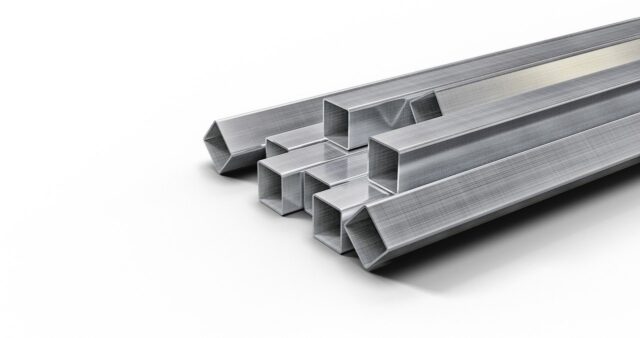
Despite producing thousands of ships, tanks, armored vehicles, trucks, and countless other items requiring steel, the United States produced or processed enough steel to create a surplus. The steel was sold to the Allies and used for earning money at home , to allow copper to be used for military purposes. Steel mills in the United States flourished during the war, unhampered by supply shortages or labor disputes.
Beginning in January 1942, steel, both new and recycled, was diverted from the production of automobiles and some other consumer goods to war needs. By the end of the war, industry was at full employment. Steel was shipped to shipyards, tank factories, truck factories, railroads, and overseas to feed the industries of America's allies. By the end of the war, steel stockpiles were sufficient to build LST (Landing Ship/Tank) in just 30 days. Before the war, such a ship was in the builder's voyage for more than a year.
When the war ended in 1945, the United States was the world's largest producer of industrial goods, including steel. Throughout the remainder of the 1940s and 1950s, demand for steel continued as much of the world rebuilt and domestic production of consumer goods returned. By the end of the decade, supply exceeded demand, and the U.S. steel industry declined, never returning to its post-war peak.
5. Hollywood entered the war with a bang
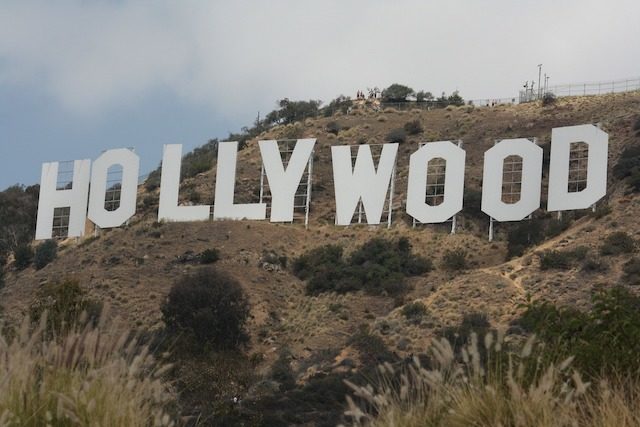
In the first year of the war alone, more than 101,000 Hollywood employees, actors, directors, photographers, writers, animators, technicians, and others participated in the war effort. They did so in the armed forces, the propaganda industry, the Office of War Information, and other organizations. Producers who continued making films were ordered to consider, Will the film help in the war before making it?.
Among the films made during the war were films intended for recruitment to specialized units armed forces. Films such as «"Bombardier"» (1943); Emergency drive (1943); and «Wake Island» (1942) aimed to educate audiences about the duties of members of the U.S. Air Force, the U.S. Submarine Service, and the U.S. Marine Corps, respectively. Each featured famous Hollywood stars playing heroic roles in the hopes of inspiring young Americans to emulate them and enlist in the armed forces.
Other films warned of the threat to the home front and the overall war effort posed by espionage, such as "« Saboteur"» Alfred Hitchcock (1942) and «"Beyond suspicion"» (1943). Hollywood produced training films for the military, morale-boosting films to entertain those on the home front and overseas, and propaganda films depicting America's enemies. Among the latter were seven films «Why do we fight? »"produced by the War Department in collaboration with Hollywood to "inform" the public about the need for war.
4. Americans were reluctant to embrace rationing, despite post-war claims that they had done so.
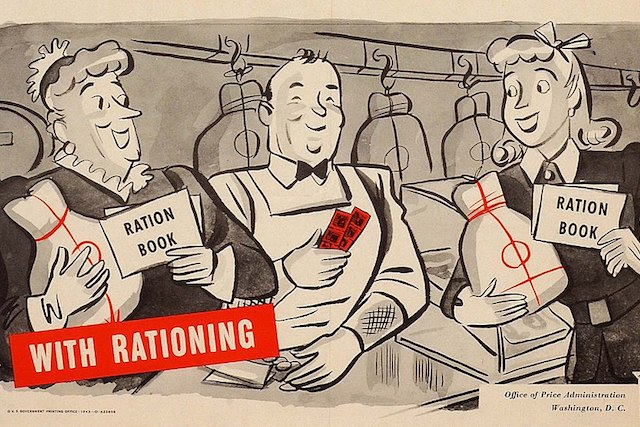
In later years, Americans were told of the joyful acceptance of sacrifice shown by their ancestors during World War II. In truth, the many sacrifices demanded of people on the home front were widely resented and often resisted. As the war progressed, this resentment grew, especially as abuses within the system became increasingly evident. Ways to circumvent the difficulties caused by rationing emerged, and abuses of the system were often ignored. Americans often ate better, than in the pre-war decade.
Americans at home, who had long been unable to buy certain goods due to the Depression and a lack of money, found themselves busy, with money to spend, and too often without goods to spend it on. At the same time, agricultural production flourished. Americans saw a bounty and questioned the need for standardization , especially food and clothing. Travel restrictions were an additional irritant, as it was clear to everyone that fuel shortages were of little help. Citizens needed government-mandated travel priorities for train, plane, boat, and bus travel. Car travel was limited by gasoline rationing and a national speed limit of 35 mph.
Ration books were intended solely for the use of those to whom they were issued and their immediate families. Within weeks of the system's implementation, its intentions were thwarted by Americans replacing one form of ration card with another. Rationing was far from free and welcomed by Americans.,a myth that developed in the post-war years. The efforts made by the federal government and law enforcement to curb abuses of the rationing system are evidence that Americans at home during the war hated and resisted it.
3. American restaurant patrons were not subject to rationing.
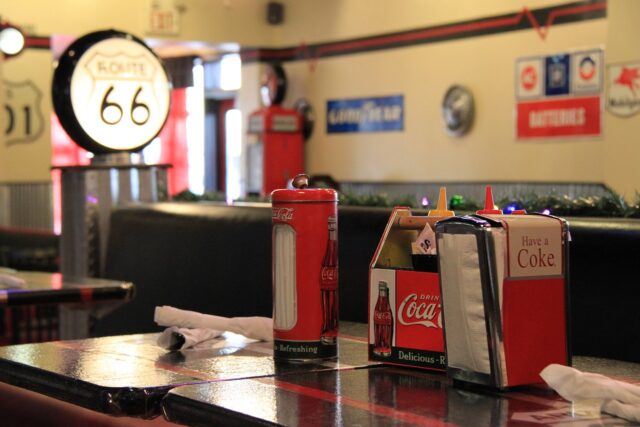
If someone wanted to have a steak dinner at home during World War II, they needed money to pay for the steak, the appropriate amount of rations to buy it, and a butcher who had the desired cut of beef. However, if someone wanted to eat steak at a restaurant, especially a well-known restaurant in a big city, all that was needed was the necessary cash and a table reservation. Cards were not required for ordering food in restaurants, even for coffee and sugar (although the government imposed price ceiling for many products).
As a result, Americans, especially in cities, began to eat out more often . Restauranteurs could sell what was on their menus without being hampered by ration books when purchasing food. American workers, with disposable income they had difficulty spending at groceries, butchers, or haberdashers, discovered they could eat to their heart's content at most restaurants without feeling guilty about cheating the system.
By the end of the war, whiskey, although not rationed by coupon books, almost disappeared Because distilleries switched to producing alcohol to support the war effort, the whiskey they produced was primarily distributed to distributors in restaurants and clubs. Eating out offered the opportunity to drink with food, and Americans enjoying cocktails before dinner became a hallmark of dining out.
2. Draft evasion was present throughout World War II.
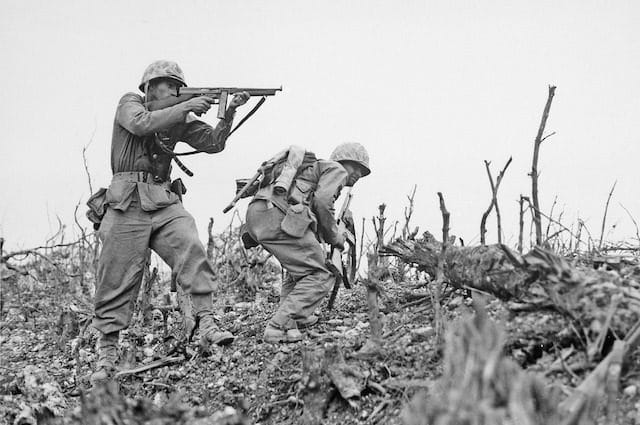
Approximately 601,000 men who served in the military during World War II were conscripts. During the first year of the war, some tried to avoid conscription by enlisting in other services, such as the Coast Guard or the Navy. Others cited religious beliefs as exemptions. After the government made conscription mandatory for all branches of the armed forces, , conscientious objector status was awarded to some, but not all, conscientious objectors. About 6,000 were stripped of their CO status and imprisoned. Thousands more evaded the draft through corrupt military registration and enlistment offices.
Conscription ensured that men would not flock to one service at the expense of others, such as joining the navy to avoid serving in the army's combat infantry. It also ensured that all men of draft age were registered and known. local conscription commissions, which initially determined the CO status, health status, and other issues that affected the ability of conscripts to enter or be discharged from military service.
When the draft began in 1940, exemptions were available for married men or those with children. By 1941, the marriage rate for draft-age men had jumped 251 TP3T. The increasing number of men choosing marriage over military service prompted Congress to amend the law in 1942, exempting only those married before the attack on Pearl Harbor. As in every American war that mandated conscription, opposition to forced military service existed during World War II, regardless of whether it was the Greatest Generation.
1. Sales of home pressure cookers increased nearly fivefold in 1943 thanks to Victory Gardens.
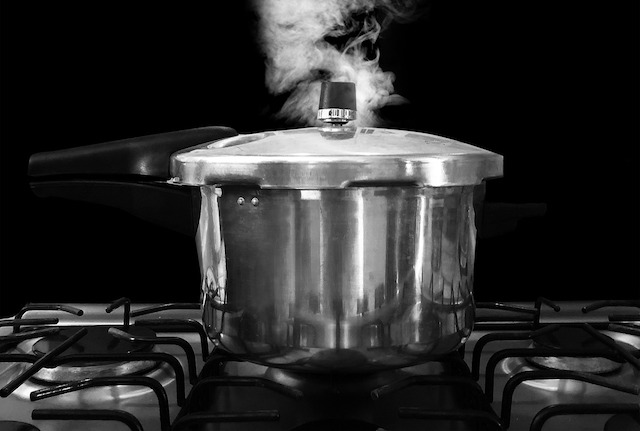
Rationing led to an increase in home gardening, encouraged by the government. In turn, the additional garden production led to increase in home canning, For which pressure cookers came in handy. Home canning offered food that would otherwise be rationed and allowed Americans to barter for items not subject to rationing restrictions. This allowed Americans to grow and process their own food and use it to trade with their fellow citizens.
Homemade pressure cookers from the 1940s They were far removed from the program and forgot about modern electronic pressure cookers. They required close attention and meticulous maintenance, yet they could lead to catastrophic consequences in the kitchen. Few companies produced pressure cookers during the war, having switched to military production, and older, less reliable stoves were used. Canning jars could be reused, but their lids and seals could not, and during the war they were in constant demand at hardware stores, department stores, and through catalog sales.
Victory Gardens Home canning sprang up in backyards, on city rooftops, in alleyways, and in many communities in shared public parks and gardens. Home canning boomed during the war, largely died out in the postwar period, and has only recently seen a revival, fueled by renewed interest in less industrialized products and the more convenient and safe pressure cookers. People growing their own food have also experienced a resurgence, driven by a desire for healthier eating rather than by necessity due to food rationing.