








A sewer odor in the bathroom is a common problem. It not only creates discomfort but can also signal serious problems with the system. Often, the unpleasant odor persists even after a recent renovation or plumbing replacement, which is especially annoying. The first step is not to mask the problem with air fresheners, but to find and eliminate its source. There may be several causes, and not all of them are obvious. It's worth starting with the most basic check: the proper functioning of the ventilation system. If the exhaust fan isn't working properly, humidity and odors stagnate, exacerbating the situation. But if the ventilation is working properly but the characteristic "aroma" persists, you'll have to dig deeper. It's like detective work: you need to successively eliminate all possible options, from the most obvious to the most hidden. Often, the source is in a hard-to-reach place, and finding it requires attention and some knowledge. Remember that eliminating the odor is not only a convenience but also a health concern, as sewer fumes can contain harmful substances.
Condensation and hidden leaks: the invisible cause of dampness and odor
The bathroom is a constant battle with high humidity. Sharp temperature fluctuations between hot water in the pipes and cooler air lead to abundant condensation. This problem is especially acute in small, tightly packed rooms with plumbing fixtures, such as bathtubs, toilets, washing machines, and sinks. Condensation tends to accumulate in the most inconvenient places: on cold sewer pipes hidden behind a screen or in a box, under the bathtub itself, in cracks and joints. These rarely-visited areas create the perfect breeding ground for bacteria and mold, which are the source of a persistent musty odor. Detecting these "damp" spots can be difficult; often, they're only discovered when stains appear on the ceiling of the neighbors below or the odor becomes unbearable.

What if condensation or microscopic leaks are the cause? The most drastic, yet most effective, solution is a major renovation, complete with a complete pipe replacement and high-quality waterproofing of all surfaces. This is expensive and time-consuming, but it provides long-lasting results. If a major renovation isn't in the plans, you can take steps to minimize the risks. Try to ensure better ventilation under the bathtub by installing a ventilation grille in the screen. All pipes, especially cold ones, should be insulated with special casings or foamed polyethylene. This will prevent condensation. It's also critical to minimize the number of connections and tees in hidden areas. Ideally, each fixture should have its own separate supply line. Regularly check the integrity of silicone sealants around the bathtub, sink, and toilet—they can dry out and crack over time.
An empty or faulty trap: the main barrier to odors
A trap is a brilliantly simple device that must always contain a water seal, preventing sewer gases from entering the room. If the trap is installed incorrectly or fails, it turns from a protector into a source of trouble. A common mistake is incorrectly positioning the drain pipe, where it's above the water level. In this case, the water seal fails to form, and the trap remains "dry." Water can also evaporate if the plumbing fixtures haven't been used for a long time, such as during a vacation. In older corrugated traps, clogs and dirt buildup can disrupt proper water circulation, causing the trap to stop working.

How can I check and fix the problem? Perform a simple test: place your palm near the drain hole of the sink or bathtub. If you feel a cool breeze, the water seal is broken. The solution is to adjust or clean the trap. The nozzle should be immersed in water 3-5 centimeters deep, without touching the bottom of the container. If you plan on a long trip, it's worth taking care to protect the water seals. You can pour about 100 ml of vegetable oil into the drains—it will create a thin film and significantly slow evaporation. Alternatively, simply seal the drains with tightly sealed plugs. For older traps, the best solution is to replace them with a new, more reliable model with smooth inner walls, which are less likely to trap debris.
Leaking connections and problems with the riser
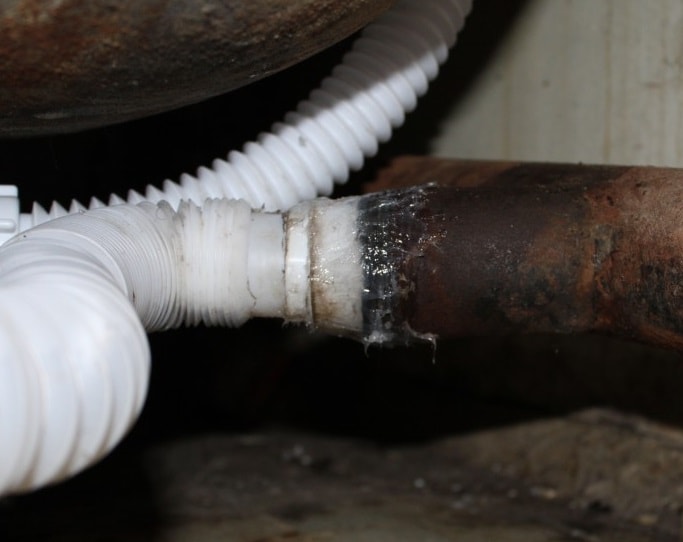
An odor can leak even when the traps are working perfectly. This is caused by leaks in the joints of sewer pipes. Particularly vulnerable are the joints between cast iron risers and plastic elbows, as well as the sockets between pipe sections. Over time, rubber seals lose elasticity, the cement seal in cast iron joints crumbles, and improperly installed plastic pipes can sag. In such cases, the odor is often intermittent: it disappears, then returns with renewed intensity, especially when the neighbors upstairs drain. This is due to changes in pressure in the system. If the pipes are hidden in chases or boxes, such a leak is difficult to detect. A subtle yellowing or mold growth at the junction of the wall and floor near the riser may be a sign.
You can try sealing all visible sewer pipe joints yourself with high-quality silicone plumbing sealant. However, this is a temporary measure. If the problem is in a riser that runs through the ceiling, self-repair is nearly impossible and dangerous. You'll need to call specialists from the management company. They have the right to open the riser on the technical floors and are obligated to fix such problems. Before contacting the housing office, it's a good idea to talk to your neighbors above and below. They may have recently done renovations and touched the common riser, causing the leak. If this doesn't work, it's worth backing up your request to the utilities with a collective statement.
Features of cast iron and plastic systems: weak points
The type of sewer pipe material directly influences the nature of the problems. For older cast iron systems, the main enemies are corrosion and clogs. The inner surface of the cast iron becomes rough over time, and limescale and organic deposits accumulate on it, narrowing the drainage. This can lead to unstable water seal operation and odor. External corrosion gradually weakens the walls, ultimately leading to fistulas and leaks. Joints in such systems were often sealed with cement and oiled tow, which deteriorate over time.
- Solution for cast iron: A thorough cleaning with a mechanical cable or hydrodynamic method is performed. In case of serious damage, the pipe section or the entire riser is replaced with modern plastic alternatives. Special cement-based plumbing pastes or epoxy compounds are used for temporary sealing of old joints.
Plastic pipes (PVC, PP) are not susceptible to corrosion, but they do have their own challenges. The main issue is assembly quality. If rubber sealing rings were not used during installation or were damaged, the seal will be compromised. Harsh chemical drain cleaners like "Mole" also have a detrimental effect on the rubber. With repeated use, they make the seals porous and brittle.
- Solution for plastic: Check the integrity of all seals in the sockets and replace them if necessary. For cleaning, it is preferable to use mechanical methods (plunger, cable) or less aggressive alkali-based cleaning agents. All connections must be assembled strictly according to the marks, without any distortion.
Prevention and a comprehensive approach: how to get rid of the problem forever
Odor control is a systematic approach. Eliminating the cause once isn't enough; preventing it from recurring is crucial. Regular preventative maintenance will save you time and money in the future. Create a simple checklist of steps to perform once a season. First, check for water in the traps of all rarely used drains (in the guest bathroom, in the extra sink in the kitchen). Second, inspect visible pipe joints for moisture, salt deposits, or mold. Third, evaluate the ventilation system: a piece of paper held to the grate should be reliably attracted.
- Organize proper care. Don't pour grease, food scraps, or hair down the sink. Install protective screens on all drains. Flush the traps with hot (not boiling!) water under pressure every six months.
- Invest in quality plumbing fixtures. Cheap traps with thin corrugations are a poor investment. It's better to choose models with a more rigid construction and smooth interior walls that can be easily disassembled for cleaning.
- Provide air exchange. If your regular ventilation isn't up to the task, install an exhaust fan with a timer or humidity sensor. It will effectively remove moist air after you shower.
- Keep an emergency kit ready. It's a good idea to have plumbing silicone sealant, a couple of spare rubber cuffs that fit the diameter of your pipes, a universal wrench for disassembling the siphon, and a gentle cleaning agent.
If, despite all your independent inspections and measures, the smell persists, don't delay formally contacting the management company. Write a detailed statement describing the problem and stating what steps you've taken. This will oblige them to conduct a professional inspection, possibly using a video camera to inspect the inside of the riser. Remember that a properly functioning sewer system is your right as a property owner, and the utility companies are responsible for it from your apartment to the main sewer. A proper combination of self-maintenance and timely professional assistance is the key to fresh air in your bathroom.