






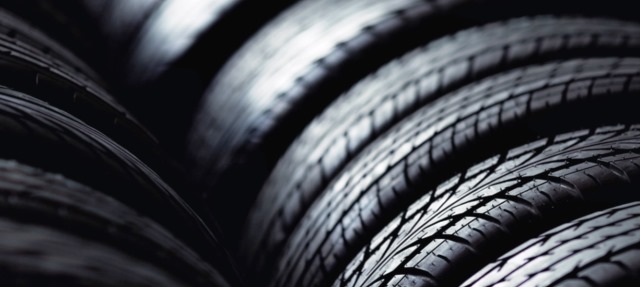
Have you ever considered how much your tires affect your safety? Proper use and timely replacement of worn tires can significantly reduce vehicle maintenance costs and even protect the most invaluable: the lives and health of the vehicle's occupants.
Method No. 1
The primary function of a tire's tread is to evacuate water from the contact patch for improved traction, reduced braking distances, and, most importantly, safe driving on wet pavement, preventing hydroplaning. Therefore, it plays a crucial role in a tire as an active safety feature. Always remember this!
Method #2
Tread wear. Once the remaining tread depth reaches the minimum value of 1.6 mm, further use of the tires is no longer safe. However, not all tires will perform acceptably at this level of wear. Therefore, according to unwritten rules, or common sense (call it what you will), it is advisable to replace summer tires when the wear depth reaches 2-3 mm, while for winter tires, the maximum wear depth is 4-6 mm.
Method No. 3
Methods for determining tread wear. The first and simplest method is a visual inspection. This will help you diagnose the most obvious tire damage, such as severe or uneven wear, cuts, cracks, and other damage. Also, look for the tire wear indicator (a protrusion located perpendicular to the tire's axis of rotation). It will indicate how far the tire has worn. If it is level with the tread, the tire needs to be replaced. Driving on such a tire is unsafe. In certain weather conditions, the tread is unlikely to perform its intended function.
Method No. 4
For a more accurate measurement of the remaining tread, you can use a caliper or a ruler with a depth gauge. To obtain the most accurate data on the tire's condition, tread measurements should be taken at 10 different points around the wheel's circumference, including the center and edges. If all measurements match and are greater than the minimum acceptable values, the tire has a good lifespan. A more common method, using a coin, can also be used, but this will reduce the accuracy of the measurements.
Method #5
These measurements also provide another important factor. They can help you diagnose the condition of your suspension, wheel alignment, and how close or far your driving style is from ideal. We'll cover this in more detail in the next article.
Advice
Replace tires every 6 years.
Tires, like any other product, have a shelf life. The maximum service life of these rubber products is 10 years. However, this doesn't mean they can be safely used for that entire period. Even if tires show no obvious signs of wear and their mileage is not excessive, it's recommended to replace them with new tires after 6 years of use. This expense is nothing compared to the potential problems such tires can cause. Safety first!