






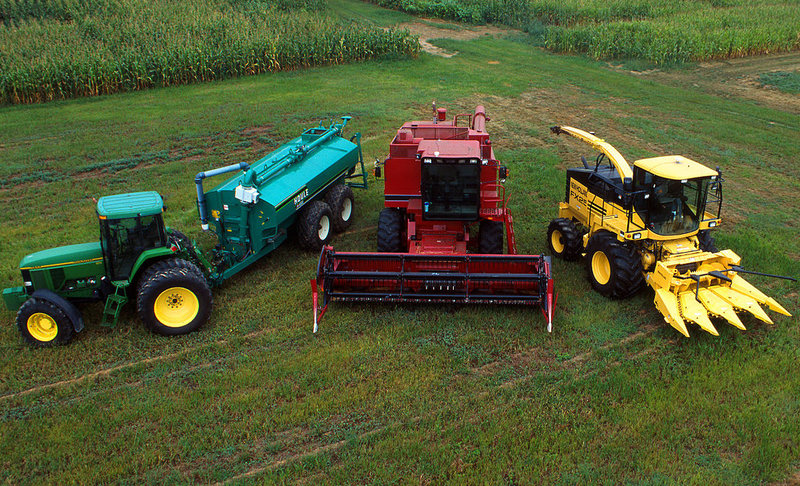
Compiling an objective ranking of agricultural equipment is a thankless task. There are too many variables: climate, farm size, crops, and, finally, the mechanic's preference for a particular brand. We won't divide equipment into "good" and "bad." Instead, we'll examine tractors, combines, and sprayers that have earned respect in different regions. This isn't a buying guide. It's the perspective of people who have plowed, sowed, and harvested these machines themselves.
Tractors: From Farm Workhorses to Thousand-Horsepower Dinosaurs
A tractor is the backbone of any farm. It's used for shoveling snow, planting potatoes, and digging trenches. But there are no all-rounders. We've deliberately divided the classes: powerful machines for deep tillage and maneuverable ones for greenhouses and inter-row cultivation.
Middle class (80–150 hp) – breadwinners of small farms
Here, many people call the undisputed leader in terms of price/resource ratio MTZ series 1221. The Belarus is a bit rough around the edges, but it can be repaired with a sledgehammer and some tape—in a good way. Spare parts are available in any village. Of the European models, it's interesting. Deutz-Fahr Agrostar old years. Its air cooling is a double-edged sword: in winter you freeze in the cabin, but at least there's no radiator to clog with poplar fluff.
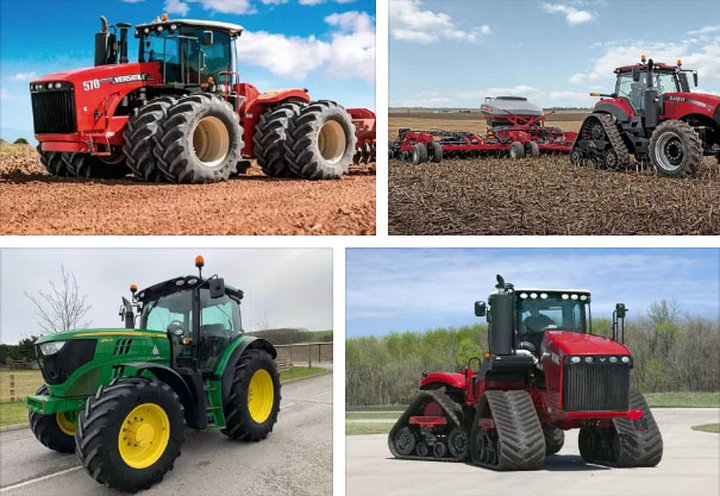
Heavy artillery (300+ hp)
Americans and Europeans rule here. John Deere 8R series It's like an iPhone: convenient and smart, but the screen is expensive to break if dropped. The electronics often lock up due to a "humidity sensor error." The competition is Case IH Magnum. They're a little simpler, a little rougher, but the hydraulics pull without any problems.
Advice from a mechanic in Voronezh: "If you're buying a new tractor with autopilot, check the RTK signal correction. Cheap base stations are off by 5 cm, and you'll end up plowing the edges of your field.".
Grain harvesters: where speed doesn't equal quality
A combine harvester is a factory on wheels. The main myth is that the more powerful the thresher, the faster you'll harvest. In practice, grain losses depend on the settings of the header and straw walker. Here are some opinions from the fields.
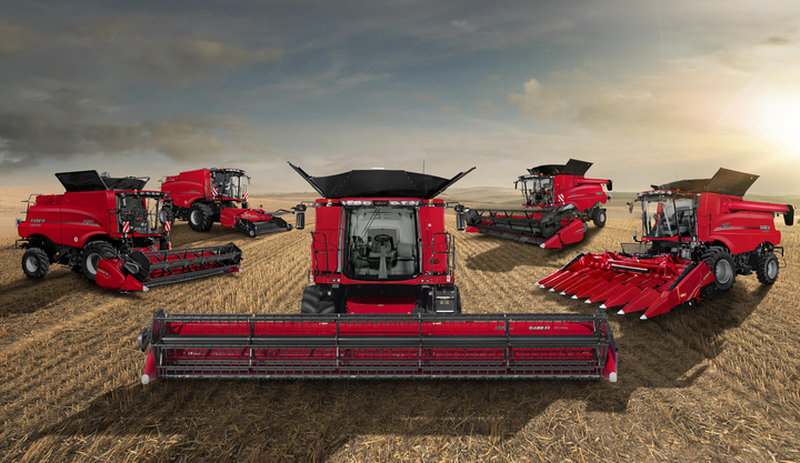
- Claas LexionA renowned brand. Its "hybrid" threshing system (rotor + beater drum) works well on dry wheat. In wet sunflowers, the winding becomes a bit tricky. But the cabin is practically a business jet.
- New Holland CR Evolution: Clean rotor. Fewer parts mean more reliability. Farmers love it for its ease of maintenance: the components are accessible from the sides. The downside is that it tends to smash the grain a bit more if the speed isn't adjusted correctly.
- John Deere S700This is a machine for those who love numbers. The monitor displays a real-time yield map. However, the cleaning system requires perfectly calibrated screens. A 2 mm error means half the grain ends up as chaff.
It is worth mentioning separately rotary "Polesie" GS16. Yes, the Belarusian combine harvester can't compare to the German model in terms of comfort, but its price and ease of repair make it a leader among beginning farmers. Many call it "a middling machine that doesn't throw you in the field.".
Tillage equipment: cultivators and plows
Honestly? Plows are becoming obsolete these days. Farms are increasingly switching to no-till or using subsoilers. Ratings here are difficult because they need to be matched to the soil type.
For black soil and heavy clays
- Lemken DiamantGerman quality. The plow runs smoothly, even in boulders. But the frame is expensive—if it breaks, service is expensive.
- Gregoire BessonThe French make powerful reversible plows with wide inter-body spacing. They're ideal for corn stubble—they don't clog.
And here are the cultivators from Kverneland We often underestimate them. They're heavier than their 15-20% counterparts, but they produce less dust when working in light soils.
Sprayers: Where Precision Saves the Budget
Treating fields with herbicides is a constant race against the weather. A self-propelled sprayer must be fast, but not trample the crops with its wide tracks.
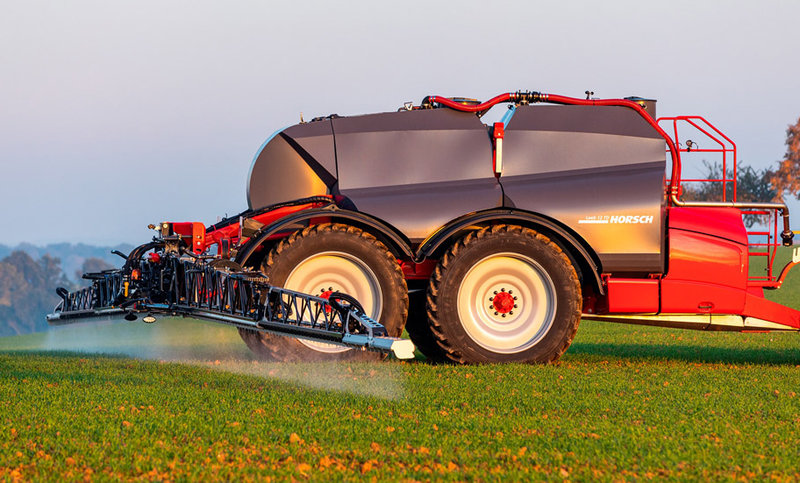
Hit of the season - Horsch Leeb. It has a 36-meter boom that folds down to 3 meters for road use. The stabilization works brilliantly: even with uneven terrain, the boom tips don't miss their target with herbicides. The software generates application maps, but it takes a couple of days to learn.
A budget option for the old school - Berthoud Tracker. A French machine with no electronics and a manual transmission. It's as dumb as a brick, but it's durable. If you need a 50-hectare potato sprayer and a self-taught mechanic, buy it without looking.
An agronomist's note: "Never skimp on sprayer filters. Even a "perfect" equipment rating will collapse if the nozzles are a third clogged—the field will be streaky.".
Forage harvesters: cutting force and gentle chopping
That's a whole other story. The green stuff needs to be cut cleanly, without any fringes, otherwise the silage will rot. The market here is divided between Krone BiG X и John Deere 8000 Series.
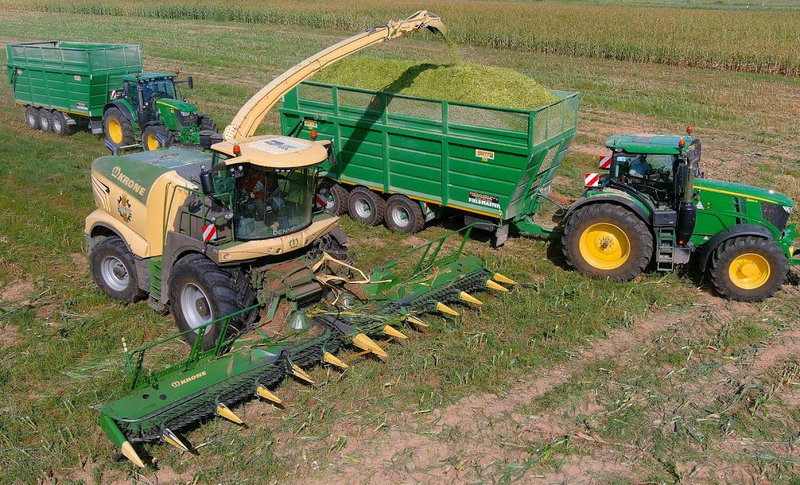
Krone is known for its "paddle" knife: it cuts even wet grass and corn on the cob without clogging the conveyor. Deere has better automation: the system monitors engine power and automatically reduces the feed rate when overloaded. However, in a direct comparison with heavy silage, the Krone delivers a more consistent chop length (6-7 mm without slippage).
Should we trust the ratings?
Our team pored over dozens of surveys of machine operators. The conclusion is paradoxical: the best specialized equipment is the one you know inside and out. One farmer will squeeze more out of a temperamental John Deere than his neighbor will out of a new Fendt, simply because he's familiarized himself with all the electronic quirks.
We deliberately avoided a "golden list" of brands. Because the ratings for southern Russia and Siberia would be diametrically opposed. In some places, a Yaroslavl engine that starts at -30°C will save the day, while in others, a hopelessly outdated Deutz with an air-cooled engine will.
Bottom line: read on technical reviews, but it's better to talk to experienced professionals. There's no perfect specialized equipment—there's an optimal compromise between price, power, and service availability in your area.