








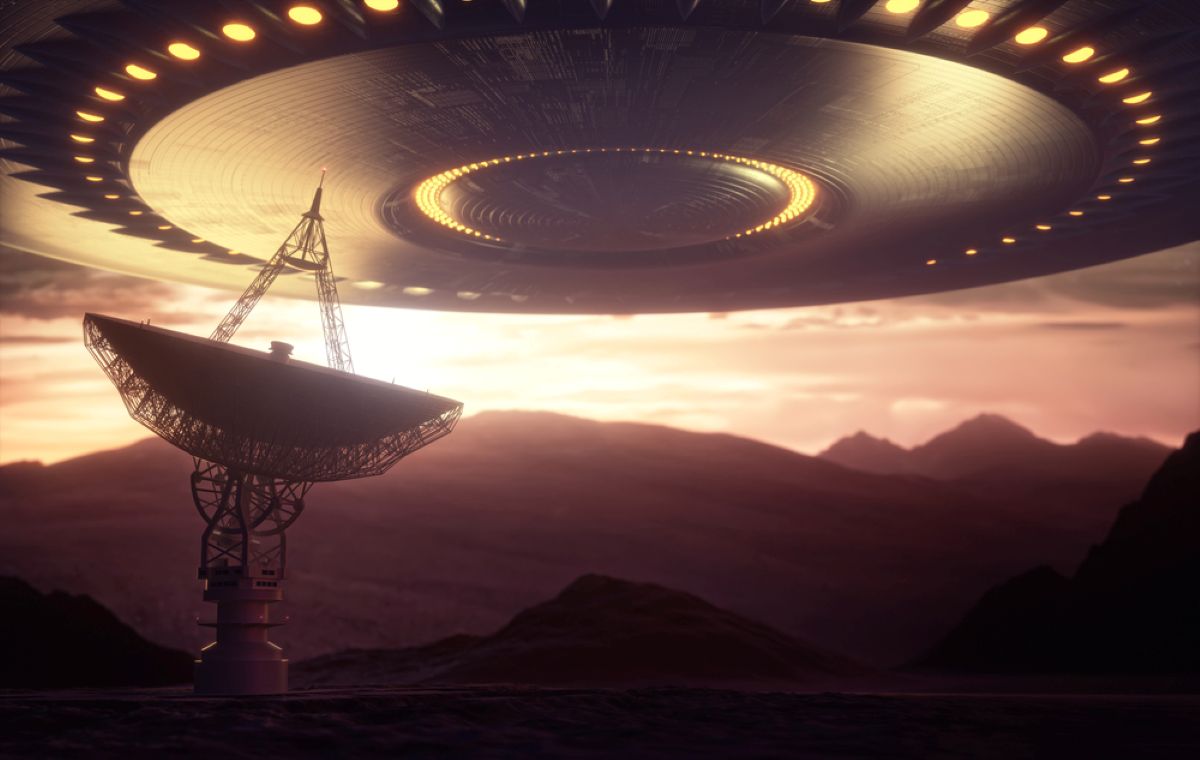
Your phone vibrates with an urgent message: "Astronomers have detected an unusual signal from a distant star system." Within hours, social media explodes with alien conspiracy theories, deepfake "evidence," and panic buying. This chaos? That's exactly what you want to avoid. International Academy of Astronautics .
The International Agency for the Study of Anthropogenic Impact (IAA) has just revised the official protocols for humanity's first contact with a space object to In 2026 , and the new rules resemble a carefully crafted scientific process more than a Hollywood blockbuster. No dramatic press conferences. No one scientist shouting, "We found them!" Instead, months of quiet testing await before any public announcement.
The "Shut Up and Check" Approach«
Before anyone makes these signals public , several organizations must independently confirm their authenticity.
The updated protocols require the utmost scientific rigor. When researchers detect something strange—whether radio signals or infrared signatures indicating alien megastructures—they can't immediately tweet it. Multiple organizations using different instruments must independently confirm the discovery. Imagine peer review, but for potentially the most significant discovery in human history.
This isn't just academic caution. Today's information environment turns preliminary results into viral disinformation faster than you can say "weather balloon." The protocols explicitly acknowledge that unconfirmed claims about aliens could spark global panic or conspiracy theories that outlast real science.
The Reply button on Earth remains disabled.
Reply messages are not accepted without consultation at the international level of the UN.
This is where the political interest comes in: the protocols maintain their strict "no response" policy. Even after the discovery of intelligent extraterrestrial life is confirmed, no one—not NASA, not any government, not even the discoverers themselves—can send a response message without broad international consultation through the Organization. United Nations .
This reflects a fundamental principle: the decision about how Earth will present itself to another civilization belongs to all of humanity, not just the one with the largest radio telescope. The protocols view contact with extraterrestrials as a species-level diplomatic moment requiring global democratic participation.
Modern problems require modern solutions.
The new rules apply to:
-
Satellite interference
-
Deepfakes
-
Persecution of researchers
2026 Update solves problems that were not foreseen by the original protocols of 1989 . Satellite mega-constellations like Starlink now threaten to jam potential alien signals with radio interference. Deepfakes can create convincing "alien contact" videos before real scientists have completed their verification.
The new concept envisages the creation of a permanent Subcommittee on Post-Exposure Prophylaxis, which will include astronomers, ethicists, lawyers and communications experts, recognizing that first contact involves much more than simply pointing telescopes into space.
Forget the dramatic entrance in Independence Day or the instant global awareness in Contact. True first contact will likely unfold as a slow-burning science thriller, where careful verification replaces cinematic revelation. Updated protocols will ensure that when we finally answer the cosmic question, "Are we alone?", the answer will be backed by evidence.
From the coolest cars to must-have gadgets, GadgetReview's daily newsletter keeps you up to date. Subscribe—it's fun, fast, and free.