








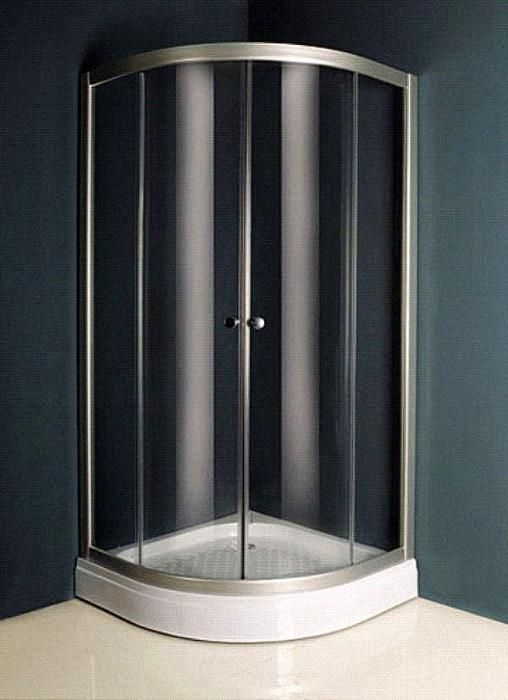
When your bathroom renovation budget is limited but you still need a shower stall, the difficult search for the perfect balance between price and quality begins. The market offers hundreds of budget-friendly models, but how can you avoid making a mistake and choose a truly worthy option? The first rule is to forget about the phrase "cheapest." Instead, think about the optimal balance between cost and durability. A cheap stall that leaks within six months or whose doors become warped after just one month of use will ultimately cost more than a high-quality mid-priced model.
Modern manufacturers have learned to create quite decent shower enclosures at affordable prices, skimping on minor details without sacrificing key features. For example, high-quality plastic may be used instead of expensive chrome-plated metal, and a standard drainage system may be used instead of a designer grate. Your task is to understand which elements the manufacturer has skimped on and evaluate how critical these are to you. Some users value quiet operation, others ease of maintenance, and still others appearance. Determine your priorities before you start searching.
The Anatomy of a Budget Shower Enclosure: What Determines the Price
Any shower enclosure consists of several key components, and understanding their cost helps you evaluate the product adequately. The shower tray typically accounts for 30-40% of the total price. In the budget segment, enameled steel and acrylic shower trays are available. Steel shower trays are less expensive, but can produce a hollow sound when water falls and, over time, can become unsightly due to microcracks in the enamel. Acrylic shower trays are lighter, warmer to the touch, and quieter, but require careful handling—sharp objects can cause scratches.

The fence costs another 25-30%. There are two options: tempered glass or sanitary plastic. Glass looks more solid and durable, but is more expensive. Plastic is more affordable, but can become cloudy or scratched over time. The frame and doors cost around 20%. Cheaper models often use thin aluminum profiles and plastic fittings. This isn't always a bad thing—modern polymers are quite durable—but check the quality of the workmanship: play, distortion, or difficulty in moving the doors indicate poor build quality.
The drain system and faucet are the remaining 10-15% components. These are the components where unscrupulous manufacturers cut corners the most. A plastic trap can last for years, but it can also leak after a month. A faucet made of silumin instead of brass will quickly fail. Therefore, when choosing, pay attention to the quality of these components—replacing them can cost half the cost of the entire shower stall.
- A steel tray is budget-friendly, but noisy and short-lived.
- Acrylic tray – the optimal balance of price and quality
- Glass fencing is aesthetically pleasing and practical.
- Plastic panels are economical, but require careful maintenance.
- Aluminum profile – lightness and corrosion resistance
Where to look for real discounts and promotions
Prices for the same model can vary by as much as 20-30% in different stores, so don't be lazy in comparing offers. Large chain hypermarkets often hold end-of-season sales—usually in January-February and July-August. Online stores offer lower prices due to rental savings, but check reviews to ensure the seller's reliability. Manufacturers regularly update their collections, and older models are sold at significant discounts—their functionality is often just as good as the new ones, with only the design changing.
Don't neglect exhibitions and sales of samples—sample cabins may have minor cosmetic defects but cost half as much. When purchasing, pay attention to the warranty—reputable manufacturers provide at least 2-3 years on major components. Having service centers in your city is a big plus, as shipping large parts can be expensive. And most importantly, don't fall for super deals with suspiciously low prices, especially on little-known brands—such savings usually backfire.
Selection criteria: what to look for in a store
When inspecting a potential purchase, start with the tray. Tap it with your knuckles—a steel tray will produce a ringing sound, while an acrylic tray will produce a duller sound. Check the thickness—3-4 mm with reinforcement is ideal for acrylic trays. Thinner trays can sag under the weight, while thicker ones are unnecessarily expensive. Inspect the surface for uniformity of color and the absence of streaks and bubbles. For steel trays, pay attention to the quality of the enamel—a smooth, shiny surface without orange spots (a sign of future corrosion) indicates good quality.
Move on to the fencing. If it's glass, check the tempered glass markings—usually a symbol in the corner. The thickness should be at least 6 mm. Run your hand along the edge—it should be smooth and even, without chips or nicks. Plastic panels should be evenly colored, without ripples or bubbles. Squeeze the corner of the panel—high-quality plastic is resilient and won't break or crack. Cheap, thin plastic can warp even from hot water.
Pay special attention to the fittings and mechanisms. The doors should move smoothly, without creaking or sticking. Metal rollers are preferable, as plastic ones wear out quickly. Check for adjustments—this will allow for minor misalignments during installation. The seals should be flexible and fit tightly against the glass or panels. Rubber that is too hard or too soft will quickly wear out. Assemble and disassemble the door—if this can be done without tools, this is a plus for future maintenance.
- The thickness of the acrylic tray is at least 3-4 mm with stiffening ribs
- The quality of the steel tray enamel is uniform and without defects.
- Glass fencing - tempered glass 6-8 mm thick
- Plastic panels are a dense, elastic material without waviness.
- Door fittings - metal rollers with an adjustment system
Checking the drainage system and mixer
The drainage system is the heart of the shower enclosure, and a malfunction can lead to serious problems. Ask a consultant to show you the trap—it should be removable for cleaning. Pay attention to the material—high-quality plastic shouldn't have a strong chemical odor. Check for a water seal—without one, sewer odors will permeate the room. Check the drain diameter—a standard 40 mm is suitable for most conditions, but for low water pressure, a 50 mm diameter is better.
The faucet in budget cabins is usually simple—two-handle or single-lever. Turn the valves—the movement should be smooth, without creaking or play. Ask about the cartridge material—ceramic ones are more durable but are sensitive to water quality. If you have hard water, cartridges with ceramic-rubber elements are better. The shower head should have a sufficient number of holes—the more holes, the more comfortable the spray. The "tropical shower" feature in inexpensive cabins is often just a marketing gimmick—a large shower head with a standard diffuser.
Budget Brands: Who Can You Trust?
The shower enclosure market is roughly divided into three price categories, with the budget segment featuring both specialized brands and sub-brands of well-known manufacturers. Polish companies offer the best value for money—their products are adapted to Russian conditions, spare parts are readily available, and service centers are available in most major cities. Czech manufacturers emphasize reliability—simple yet well-made enclosures that last for years without issue.
Turkish brands offer a striking variety of designs—they often copy premium models using cheaper materials. Quality can vary even within a single collection, so be sure to inspect the product before purchasing. Chinese manufacturers have flooded the market with ultra-budget offerings, but there are some worthy options among them—usually from factories serving the European market and adhering to international standards. Domestic manufacturers can't yet compete on price, but they offer cabins that are ideal for typical Russian bathrooms.
When choosing a brand, pay attention not only to the name but also to the country of manufacture. The same brand may have factories in different countries, and quality will vary. Read reviews of specific models, not the brand as a whole—a single manufacturer often has both successful and unsuccessful product lines. Check for instructions in Russian—their absence indicates a lack of commitment to the market. Warranty terms should be clearly stated, including which components are covered and for how long.
- Polish brands offer the best value for money.
- Czech manufacturers focus on reliability and durability
- Turkish companies offer a variety of designs at affordable prices.
- Chinese factories - ultra-budget options with careful selection
- Domestic producers adapt to Russian realities

Features of installation of budget cabins
The quality of installation directly affects the longevity of even the most expensive cabin, and for budget models, it's crucial. Start by preparing the base—the floor should be level, with a difference of no more than 2 mm per meter. Use a spirit level to check. If the floor is uneven, level it with a self-leveling compound—it's cheaper than repairing a leaky cabin later. Check the location of the sewer and water outlets—they must precisely match the cabin's dimensions.
Begin assembly with the tray—install it in place and level it using the feet. Don't skimp on sealant—apply a continuous layer around the perimeter of the tray before final installation. When installing the railing, be careful not to overtighten the fasteners—plastic components crack easily. Seal all joints with rubber gaskets and, if necessary, apply additional silicone sealant. Pay special attention to the joint between the tray and the railing—this is the weakest point for leaks.
Connecting the water and sewer lines is a crucial step. Use only high-quality flexible hoses with metal braiding—they're more expensive than plastic ones, but they're guaranteed not to burst during a pressure surge. Connect the trap to the sewer line using a rubber cuff—rigid connections can cause leaks due to vibration. After completing the installation, be sure to test the system: turn on the water for 10-15 minutes and check all connections for leaks. Remember that the sealant takes 24 hours to fully cure—it's best not to use the shower cabin during this time.
Common installation errors
Most problems with budget shower enclosures arise not from the quality of the product itself, but from improper installation. The most common mistake is skimping on sealant. Manufacturers include a minimal amount, which is often insufficient to properly seal all joints. Purchase additional sanitary silicone sealant—it resists mold and maintains its elasticity for a long time. Apply it in a continuous line, without breaks, and remove excess immediately with a damp cloth.
The second mistake is improper door adjustment. Too tight a fit puts increased stress on the rollers and leads to rapid wear, while too loose a fit leads to leaks. The ideal gap is 2-3 mm around the entire perimeter. Adjust in stages: first, adjust the vertical position, then adjust the pressure. The third problem is incorrectly connected siphon. The corrugated pipe should not be bent too much, as this reduces flow capacity and leads to clogs. The bending radius should be at least 5 times the pipe diameter.
The fourth point is ignoring the instructions. Each model has its own assembly requirements, and what worked on your previous model may not work on your new one. Carefully read the manual before starting work and have the necessary tools ready. If you don't understand something, don't improvise—look for video reviews or consult with the seller. Remember that improper assembly will void your warranty, even if the defect is manufacturing-related.
- Insufficient sealing of joints is the main cause of leaks
- Incorrect door adjustments lead to rapid wear of fittings
- Strong bends in the corrugated pipe reduce throughput
- Ignoring the assembly instructions can result in damage to components.
- Saving on additional materials is false economy.
Operation and maintenance: how to extend the life of a budget cabin
Proper care can significantly extend the lifespan of even an inexpensive shower enclosure. Regularly clean the surfaces of limescale deposits using special cleaners for acrylic, glass, or plastic. Avoid abrasive powders and hard brushes, as they create micro-scratches that trap dirt. After each use, rinse the enclosure with cool water to remove any detergent residue and prevent soap scum.
Once a month, lubricate moving parts—rollers, hinges, and guides. Use silicone grease; it doesn't attract dust or corrode plastic. Check the condition of the seals; replace them if they lose their elasticity. Modern sealing profiles come in standard sizes, making it easy to find the right one. Monitor the drainage system; if the flow slows down, clean the trap immediately. For preventative maintenance, use a special drain cleaner every six months.
Periodically treat acrylic trays with polishing compounds—they fill microcracks and restore shine. Protect glass surfaces with hydrophobic coatings—water will bead off without leaving streaks. Plastic panels can be refreshed with special restorative compounds that conceal minor scratches. Avoid sudden temperature changes—don't immediately turn on boiling water on an icy surface; let the cabin warm up gradually.
When to repair and when to replace
Most problems with budget shower enclosures can be fixed without a complete replacement. Leaking joints can be tightened or additionally sealed. Worn rollers and seals can be replaced—spare parts are usually readily available and inexpensive. A faucet can be repaired by replacing the cartridge or valve body. Even a cracked shower tray can be repaired with special acrylic restoration kits—although this is a temporary measure.
But there are situations when repair is impractical. Severely damaged glass is dangerous and cannot be repaired. Deformed plastic is also impossible to repair. If the leak is in the pan itself, in a location inaccessible for local repair, it's easier to replace the entire cabin. When the repair cost exceeds 50% of the price of a new cabin, replacement is also worth considering. And of course, if the design is outdated or you simply want something new, this is a compelling reason to upgrade.
Choosing a budget shower enclosure isn't a gamble, but a well-considered decision based on careful analysis and testing. Don't chase the cheapest offers, but don't overpay for unnecessary features either. Determine your true needs, check the quality of key components, ensure professional installation and regular maintenance—and your affordable shower enclosure will provide years of flawless performance. Remember that even in the budget segment, there are worthy models that will last for years; you just need to put in a little effort to find them and use them properly.