








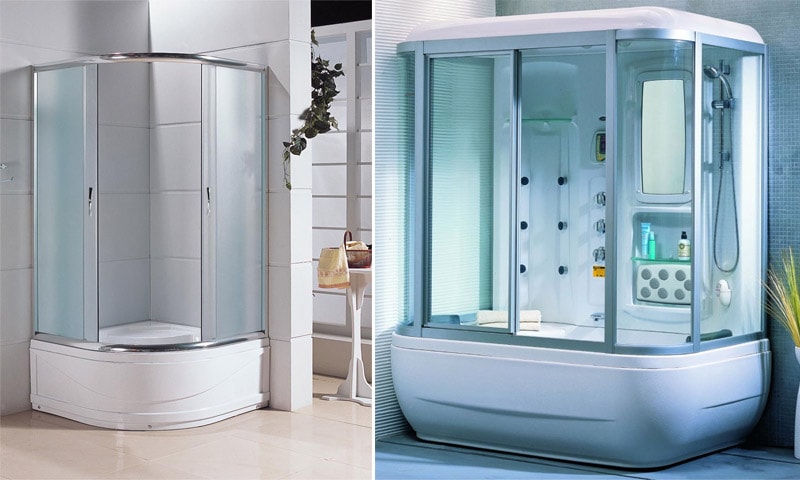
A deep shower tray isn't just a design feature, but a truly functional solution that I often recommend to families with children, pet owners, or anyone who simply appreciates the ability to not only shower but also relax in a nearly full-size bathtub. Over the years, I've learned that such trays are especially popular in environments where a traditional bathtub is an unaffordable luxury, and a shower stall is a key element of the bathroom.

What is considered a deep tray?
In professional circles, a deep shower tray is generally considered to be one with a depth of more than 15-20 centimeters from the bottom to the top. In practice, I've encountered a variety of depths, from the standard 20-25 cm to an impressive 45-60 cm, which is close to the dimensions of a sitz bath. It's interesting to observe how the perception of space changes depending on depth—even a few centimeters can significantly impact ease of use.
Deep trays come in a variety of shapes: classic square 90x90 and 100x100 cm, practical rectangular 120x80 and 130x90 cm, and ergonomic corner semicircular or radius trays. In my work, I've noticed that the most popular are rectangular 120x80 cm and square 100x100 cm—they offer the perfect balance of capacity and compactness.
- Depth from 15-20 cm and more
- Variability from 20 to 45-60 cm
- Square shapes 90×90, 100×100 cm
- Rectangular solutions 120×80, 130×90 cm
- Corner semicircular and radius models
- Rectangular 120×80 cm as the most popular option
Advantages of deep pallets
Versatility is the first thing owners of these cabins note. The tray can serve as a child's bath, a place for hand-washing delicate items, or a convenient place for pets to bathe. I often see clients initially hesitant about the need for a deep tray, but after installation, they genuinely wonder how they ever got along without it.
Comfort during bathing is another significant advantage. You can sit on the bottom or install a folding chair—this is especially valuable for the elderly or those who get tired of standing after a long day at work. The ease of maintenance is often underestimated, but when it becomes necessary to clean a trap or check a drain, the accessibility via adjustable legs becomes a real lifesaver.
- Multifunctionality of use
- Comfort for different categories of users
- Access to communications for maintenance
- Effective protection against water splashes
- Creating a comfortable microclimate in closed cabins
- Can be used as a mini-bath
Pallet Materials: A Comparative Analysis
A deep tray places increased stress on the structure, so the material plays a key role in the durability of the entire system. Acrylic is the most popular option in my practice: it's lightweight, warm to the touch, and easily repaired if damaged. However, deflection may occur with user weights over 120 kg, so I always recommend models with a metal frame or reinforced base.
Cast iron offers maximum strength and durability, but its significant weight requires a reinforced floor and professional installation. It heats up quickly but takes a long time to cool down—a nice bonus for winter. The enamel can chip over time from impacts with heavy objects. Steel is an inexpensive and lightweight option, but it's noisy when running water and prone to corrosion if the protective coating is damaged.

Artificial stone such as quaryl or acrylic stone combines the strength of natural material with the lightness of acrylic. It's scratch-resistant, heats up quickly, and has a premium look. The only drawback is the price, which can be two to three times higher than acrylic alternatives. Ceramic is environmentally friendly and impact-resistant, but it can be fragile when dropped by heavy objects, and is also heavy and expensive.
- Acrylic: the best value for money
- Cast iron: maximum strength and durability
- Steel: An inexpensive but noisy option
- Artificial stone: premium appearance
- Ceramics: Eco-Friendly, but Fragile
- Differences in weight and installation complexity
- Different maintainability and service life
Criteria for choosing the right model
Assessing the space is the first and most important step when choosing. In a small bathroom, it's best to choose a corner shower cabin measuring 90x90 or 100x100 cm—they make ergonomic use of the usually empty corner. In spacious bathrooms, a rectangular shower cabin measuring 120x80 or 130x90 cm is a good choice—these dimensions provide comfort even for larger users.
Considering the height and weight of users is essential—if you have larger people in your home, avoid thin-walled acrylic models without reinforcement. Checking for a drain plug may seem like a small detail, but it's crucial in practice—most deep shower trays have a "plug" feature, but the plug itself isn't always included. Pay attention to this when purchasing.
Choosing doors also requires careful consideration. Sliding systems save space, but require regular maintenance of the mechanism. Hinged doors are more secure, but require adequate space in front of the cabin. In tight spaces, I often recommend accordion-type folding systems—they are compact when open, although they offer slightly less airtightness.
- Assessing the available space
- Accounting for users' anthropometric data
- Checking the completeness of the drain plug
- Choosing the type of door system
- Matching the interior style
- Quality of materials and components
- Availability of additional functions
Features of installation of deep cabins
Installing a deep shower cabin requires more care than a low-profile model. Ensuring the floor can support the weight is paramount. A full 120x80 cm shower tray can weigh up to 100-150 kg with water and the user—a significant load, especially in older homes with wooden floors. I always recommend conducting a load calculation or consulting with a specialist.
Using adjustable feet isn't just a recommendation, it's a necessity. They allow for precise leveling and create the correct slope toward the drain—about 1-2 degrees is sufficient for effective water drainage. Putting bricks or metal plates under the feet prevents the shower tray from settling or warping over time—this simple measure significantly extends its lifespan.
Sealing the joints with silicone sealant is a must, especially if the shower enclosure is installed flush against a wall. I use sanitary silicone with antifungal additives—it's more expensive than regular silicone, but it effectively prevents black mold from growing in hard-to-reach areas. After installation, it's important to allow the sealant to dry completely for 24 hours before using it for the first time.
- Checking the load-bearing capacity of the floor
- Using adjustable feet
- Creating the correct slope to the drain
- Strengthening the base under the legs
- High-quality sealing of all joints
- Use of specialized sealants
- Observe drying time before use
Disadvantages to be aware of
Inconvenience for the elderly and those with limited mobility is a significant drawback that's often overlooked. Stepping over a 30-40 cm high curb is a significant strain for those with joint or balance issues. In such cases, I recommend installing additional handrails or considering options with low bases.
The height requirement can be an issue in rooms with low ceilings. A deep tray visually reduces the space, creating a bulky effect. Difficulty cleaning is another issue that sellers rarely mention. The corners and folds of a deep tray require regular, thorough cleaning, otherwise stubborn limescale and soap deposits will build up.
Increased water consumption is a subtle but significant drawback. Filling a deep water tray requires more water than standard models, which can significantly impact utility bills in households with multiple users. It's also worth considering that heating a larger volume of water takes longer, especially in systems with instantaneous water heaters.
- Inconvenience for people with limited mobility
- Visual reduction of space
- Difficulty cleaning corners and folds
- Increased water consumption
- Long-term heating of a large volume of water
- Increased load on drainage systems
- Need for more frequent maintenance
Alternative solutions and their features
If affordability and minimalism are more important to you than versatility, consider a curbless shower enclosure. Such solutions are especially suitable for low-rise buildings and apartments with limited ceiling height. In my practice, I often encounter situations where opting for a shower enclosure with a drain instead of a curbstone shower enclosure is the optimal solution.
Curbless shower enclosures create a sense of unified space, visually expanding the room. They are convenient for those with limited mobility, as the lack of a threshold ensures unimpeded access. However, these solutions require careful floor preparation—creating the correct slope and ensuring high-quality waterproofing—which can increase the cost of the work.
Combination solutions are another interesting alternative. For example, a cabin with a deep tray can be equipped with a seat, shelves, and other accessories to enhance user comfort. In the premium segment, there are models with adjustable depth—hydraulic or mechanical systems allow the bottom level to be adjusted according to needs.
- Shower enclosures without a tray
- Solutions with a drain and a single floor level
- Combined systems with additional functions
- Adjustable depth models
- Difference in installation complexity
- Different costs and preparation requirements
- The difference in functionality and ease of use
Practical recommendations for operation
Proper maintenance of a deep shower stall significantly extends its lifespan. Regular cleaning is not just a hygiene necessity, but a way to prevent the buildup of stubborn stains. I recommend rinsing the shower tray with clean water after each use—this only takes 30 seconds, but it prevents soap scum from building up.
Using appropriate cleaning products is essential to maintaining the surface's appearance. Only non-abrasive cleaners without harsh chemicals are suitable for acrylic surfaces. Cast iron and enamel-coated steel are more durable but also require careful handling. Engineered stone requires specialized care products that preserve its structure and color.
Preventative maintenance includes regularly checking the condition of the drainage system. Hair, soap scum, and small debris can all cause clogs, which are especially annoying in a deep tray. Every six months, it's worth cleaning the trap and checking the tightness of the connections. It's also important to check the condition of the adjustable feet—over time, they can become loose, leading to the structure becoming warped.
- Rinse daily after use
- Use of suitable detergents
- Regular cleaning of the drainage system
- Preventive leak testing
- Checking the condition of the adjusting feet
- Seasonal maintenance of complex mechanisms
- Timely replacement of worn-out elements
Errors in selection and installation
Incorrectly assessing the load-bearing capacity of a floor is the most common and critical mistake. I've encountered numerous situations where clients chose a deep shower stall without considering the specific features of the floor. In older homes with wooden beams, this can lead to serious problems, from floor subsidence to more serious consequences. It's always best to consult a specialist.
Skimping on the quality of materials and components is another common mistake. Deep shower cabins are subject to increased stress, especially when filled with water. Cheap, unreinforced acrylic shower trays quickly deform, poor-quality drainage systems fail, and unreliable door mechanisms require constant repair. It's better to invest in quality once than to constantly spend money fixing defects.
Unprofessional installation negates the benefits of even the highest-quality shower enclosure. Incorrect leveling, inadequate sealing of joints, and errors in connecting to utilities all lead to operational issues. I always recommend entrusting installation to experienced professionals familiar with the specifics of deep shower enclosures and ensuring a high-quality installation.
- Underestimation of the load-bearing capacity of the floor
- Saving on the quality of materials
- Unprofessional installation
- Insufficient sealing of joints
- Incorrect slope towards the drain
- Ignoring the need for additional reinforcement
- Failure to comply with drying technology and timeframes
Conclusion: A balanced decision for comfort
A deep-tray shower is a practical and functional solution for active families who value comfort and versatility. It successfully combines the benefits of a shower and a bathtub, providing flexibility. However, choosing a deep-tray requires careful consideration and consideration of many factors, from the specific features of the room to the needs of all users.
The key is to choose a high-quality model made from the right material, install it correctly, and maintain it regularly. With the right approach, a deep shower enclosure will delight you with comfort and reliability for many years to come. Remember: an informed choice, professional installation, and regular maintenance are the key to long-lasting and trouble-free operation of any plumbing fixture.
Ultimately, the decision to choose a deep shower tray should be based on your actual needs and capabilities. If you frequently bathe children, wash pets, or simply enjoy relaxing under running water, such a shower tray will be an excellent investment in your daily comfort. However, if accessibility and space saving are priorities, it may be worth considering alternative options.