








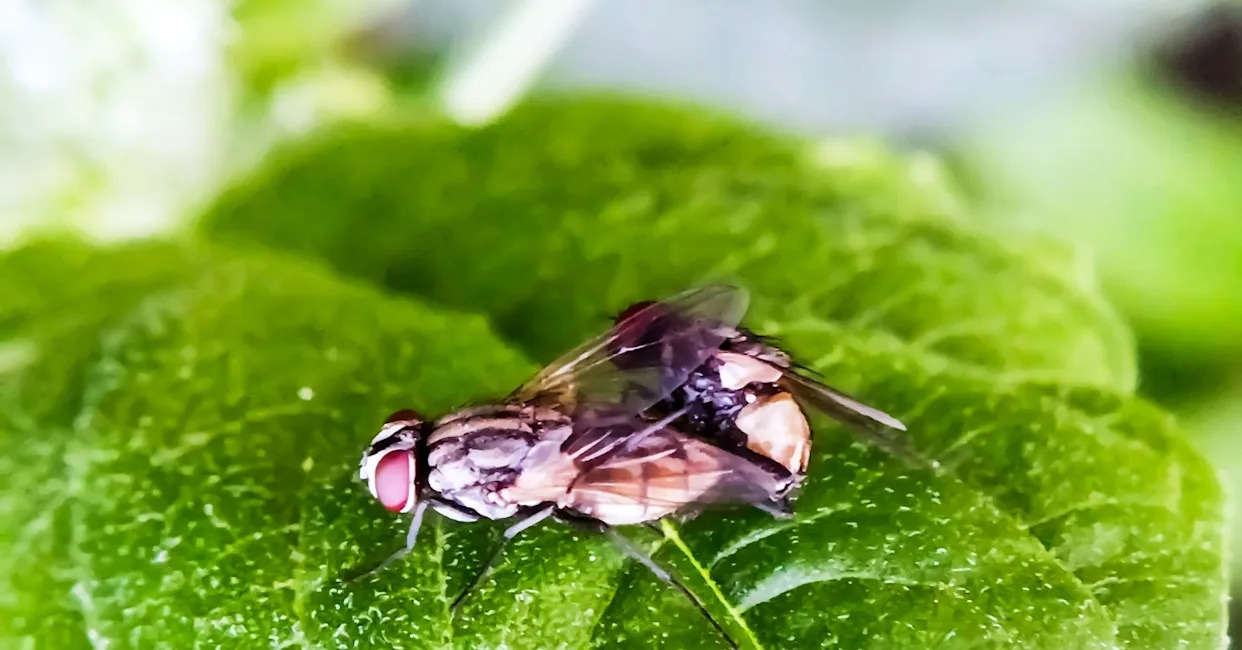
Cases of a new generation of parasitic fly larvae have again increased in the United States, with 27 animal cases reported in the past 30 days, according to federal authorities.
According to the latest outbreak monitoring data, all 27 registered cases are in domestic animals, of which 21 are considered active and 6 are inactive. No cases have been reported in wild or feral animals, and no cases of infection via flycatchers have been detected in the past 30 days.
The rise in cases followed the first confirmed case in the United States on June 3, which occurred in a calf in Zavala County, Texas. Since then, cases have spread to several Texas counties, leading to expanded quarantine measures, animal movement restrictions, surveillance, and the release of sterile flies.
The Texas Animal Health Commission has issued a series of emergency orders creating and modifying infection control zones as new cases are confirmed. According to the latest emergency quarantine information, travel restrictions currently affect portions of 21 Texas counties: Bandera, Cocke, Crockett, Edwards, Gillespie, Jim Hogg, Kerr, Kimble, La Salle, Medina, Pecos, Schleicher, Starr, Sutton, Terrell, Tom Green, Uvalde, Val Verde, Webb, Zapata, and Zavala.
In accordance with quarantine measures, warm-blooded animals located in designated contaminated zones cannot be transported outside these zones without official permission. Skins, carcasses, and animal parts that may contain larvae are also prohibited from being moved until they have been inspected, processed, and deemed safe by veterinary officials.
The latest zone expansion includes Infected Zone 10, created after the pathogen was detected in cattle in Jim Hogg County. This zone covers parts of Jim Hogg, Starr, and Zapata counties, located near the border with South Texas. Additional zones were also modified after the pathogen was detected in sheep in Crockett and Edwards counties.
The growing number of cases has increased attention to sterile fly farming, which remains the cornerstone of screwworm eradication efforts. Sterile flies are released into infested areas, where they mate with wild screwworms and prevent reproduction, gradually suppressing the population.
As part of a cross-border response, U.S. and Mexican officials recently inaugurated a sterile fly production facility in Metapa, Chiapas, Mexico. The facility is expected to eventually produce up to 100 million sterile flies per week. Reuters reported that the new plant is part of a U.S.-Mexican project costing over $50 million and is intended to expand the capacity of the existing COPEG facility in Panama.
«"Our countries defeated this 40-50 years ago. We will defeat the New World screwworm again sooner than anyone could have imagined, thanks to the extraordinary work that will be carried out at this facility," said Agriculture Secretary Brook Rollins at the facility's opening.
The USDA also invested in refurbishing an existing fruit fly farm in Metapa, Mexico, to increase production of sterile flies. According to NewsNation, the 22,000-square-foot facility is expected to begin producing 30 million sterile flies by mid-July, with its capacity eventually reaching 100 million.
«"The more sterile flies we can breed and distribute, the faster we can suppress and ultimately eradicate this destructive pest," Rollins wrote in a post on X.
The outbreak also raises serious economic concerns for the livestock industry. The U.S. has kept its border largely closed to live cattle imports from Mexico since May 2025, disrupting trade that previously supplied more than 1 million animals annually to U.S. feedlots. Lawmakers estimate that a widespread outbreak could cost Texas livestock producers approximately $732 million annually and lead to statewide economic losses of up to $1.8 billion.
The article "Meatworm Cases in the US Risen to 27 as Texas Expands Lockdown" first appeared on AGDAILY.