








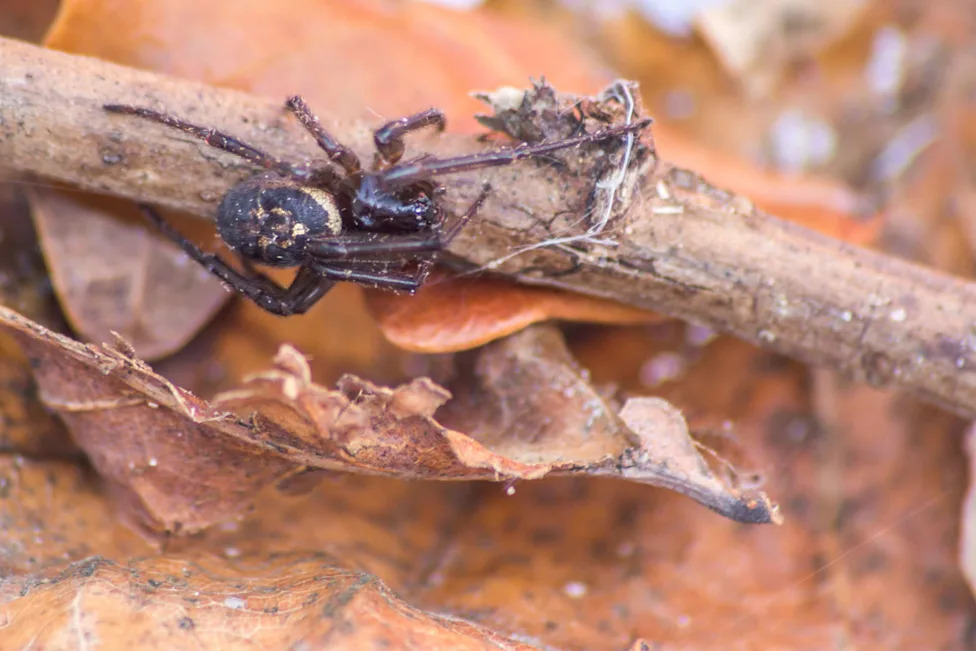
Concern about false widow spiders is growing in the UK, with reports of them increasing in places such as Buckingham Palace gardens and the number of hospital admissions related to spider bites more than double the 2015 level.
These events have again drawn attention to the reasons for the spread of this species.
What's happening?
According to Good Housekeeping magazine, the NHS recorded more than 100 hospital admissions due to spider bites in 2025, up from 47 in 2015.
Experts said one of the main reasons for the increase in numbers is a "breeding explosion" among noble false widows.
Dr Michel Dugon, an expert on venomous invertebrates from the University of Galway, said the species was recorded in Britain in 1879.
It is believed to have entered the country with fruit shipped from Madeira, and after decades of distribution primarily in southern port cities, it began to spread much more rapidly.
«"However, for reasons that are not yet fully understood, their populations have increased dramatically across the UK since the early 2000s, and they are now a global invasive species, with populations spread across the UK and Ireland," Dugon said.
He said the spider is probably one of the most common species in urban areas now.
Why is this important?
Dugon also noted that higher average temperatures give the species more opportunities to establish themselves further north.
He argued that trade and the movement of goods also contribute to this: "In many ways, the presence of the noble false widow is a by-product of globalization.".
As a result, the spider, which thrives near buildings, is increasingly found in places people use every day, including houses, sheds, garages, gardens, and window frames.
Insect bites are still relatively rare and are usually not life-threatening, but can be painful.
Dugon compared them to bee or wasp stings and said some people develop steatosis, which can cause pain, tremors and dizziness.
«"The victims need medical attention," he said.
Dugon warned that bacteria found on some widow's fangs could lead to serious secondary infections.
What can I do?
Paul Blackhurst, head of the technical academy at Rentokil Pest Control, recommends starting with the places where these spiders most often hide.
«"False widow spiders, in particular, are well adapted to living near buildings and are most often found in sheltered areas such as sheds, garages, and window frames," he said.
He said gardens with compost heaps, log piles, fallen leaves, and dense plantings can attract spiders. Indoors, he said, they can nest in closets and attics, as well as behind furniture or near baseboards.
Blackhurst also noted that it's a good idea to check stored tables, chairs, potted plants and firewood before bringing them indoors.
Other recommended measures included sealing small cracks around doors, windows, and pipes, reducing clutter, vacuuming regularly, and lowering outdoor lighting near entrances to reduce the risk of insects congregating there. Fewer insects means less food for spiders.
However, Dugon warned that trying to get rid of all spiders in a house could backfire. Native spiders compete with false widows for space and food, so indiscriminate spraying could actually facilitate the spread of the invasive species.
«"Noble false widows are not aggressive animals," Dugon said. "They will defend themselves if threatened, but they won't intentionally bite a person.".
Subscribe to TCD's free newsletters to receive helpful tips, actionable advice, and a chance to win $5,000 toward your home improvement. To see more stories like this, change your Google preferences here.