The amazing natural world of our world abounds with new discoveries that surprise us every year. This year is no exception! From the depths of the Pacific Ocean to the mountains of Vietnam, scientists have discovered thousands of new species of plants, animals, and fungi. In fact, some of them are so bizarre that you wonder, "Could this really be true?" We can't help but wonder. New species not only transform the scientific world but also help us understand the incredible diversity of our planet. Whether it's a forgotten specimen in a museum drawer or creatures emerging from unexplored corners of the world, these discoveries once again prove how beautiful and sensitive nature is. But, unfortunately, this natural wealth is under serious threat due to human activity. Scientists claim that the rate of species extinction is 100-1,000 times greater than natural processes. Despite this, naturalists continue to add new species to the 2.2 million already registered. For example, scientists from the Natural History Museum in London described 190 new species in 2024! Here are the strangest species discovered in 2024…
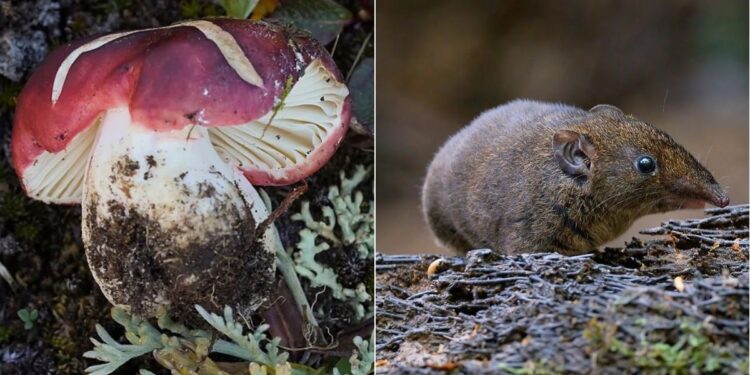
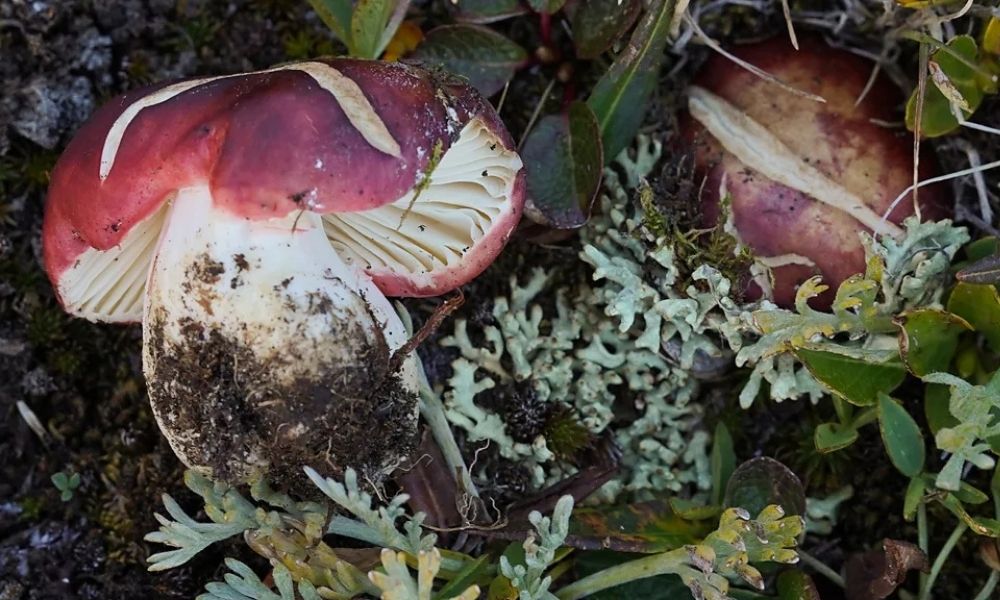
Yes, you heard that right! Research conducted at the Royal Botanic Garden in England has discovered three new species of fishy-smelling mushrooms. These mushrooms, belonging to the genus Russula, have brittle leaves and stalks with an apple-like texture. So what produces this intriguing aroma? A compound called trimethylamine! The new species include Russula lapponica, found in the enchanted forests of Scandinavia; Russula neopascua, found in the Rocky Mountains of the United States; and Russula olympiana, found in the coniferous forests of the Pacific Northwest. If you notice a strange fishy odor while hiking, you might be dealing with some kind of fungus!
2. Chylomis macaroni
We continue our article about the strangest species discovered. This new species of hedgehog, discovered in the forests of Vietnam, looks like it stepped out of a vampire movie! The only "dangerous" part of this animal, covered in soft fur instead of spines, is the long, sharp teeth inside its mouth. The male's long fangs earned it the name Hylomys macarong, meaning "vampire." Evidence of this nocturnal creature had actually been stored in a dusty drawer at the Smithsonian Museum since 1961. But thanks to genetic analysis, scientists realized it was an entirely new species. The exact purpose of the long tusks remains a mystery, but it is believed to be related to sexual selection.
3. Plectocomyopsis hantu
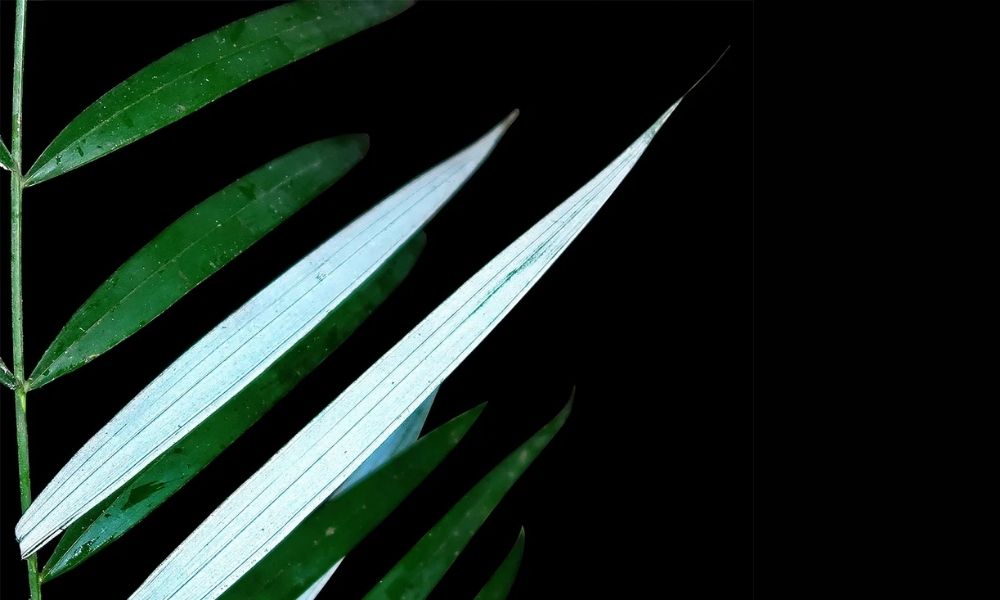
This mysterious plant, found in the tropical forests of Borneo, belongs to a species of climbing palm. The lower leaves of the plant, locally known as "wi mukup" or "wi mukup," are white, while its trunk is shades of gray. Because of its eerie appearance, the plant was given the name Plectocomiopsis hantu, meaning "ghost." The palm is traditionally used for basket making and grows in protected areas of Malaysia and Indonesia. An official description of this plant will facilitate its future protection.
They Defy Time! 10 Animals That Broke Lifespan Records
4. More than 100 new species in the Bounty Pite
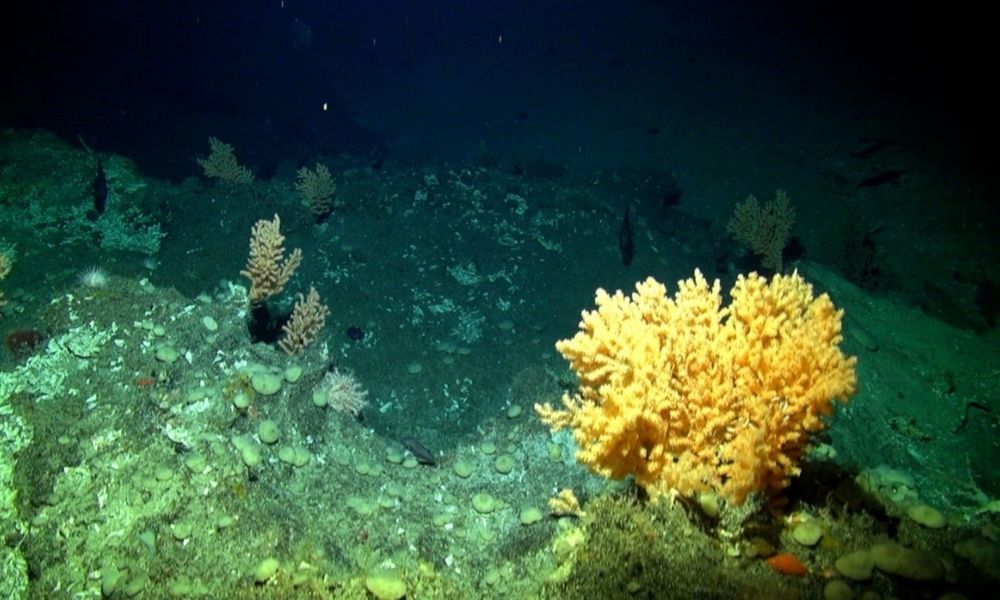
We continue our article about the strangest species discovered. This isn't a discovery, it's a treasure map! The Bounty Pit karst off the coast of New Zealand's South Island has stunned the scientific world with the discovery of over 100 new species on the seafloor. Samples taken from the depths of this 800-kilometer-long (exactly 4,800 meters!) region during the Ocean Census expedition are like a submarine chest full of new creatures.
What was discovered during this three-week study in the Pacific Ocean? A whole host of new species! Mollusks, fish, shrimp, even cephalopods and an entirely new species of coral! But the most intriguing creature was one initially mistaken for a starfish or anemone, and it is likely a new species of octocoral. This discovery has once again reminded scientists just how mysterious the underwater world still remains.
5. Tylototriton kolianensis
Its name is intimidating, but it's a small and shy salamander! This charming amphibian was discovered hiding in a forested ravine in the Cao Bang province of Vietnam. Living under rocks at the edge of a slow-moving stream, this creature was named Tylototriton koliaensis after Mount Kolia, where it's found.
It's quite distinctive, with bony protrusions and warty growths on its back that resemble a crocodile. But fear not, this salamander is only 3 inches (7.3 cm) long (females are slightly larger). Its colors are like a work of art: luminous orange details against a black background! Orange stripes on the fingertips, palms, and underside of the tail make this tiny salamander a fashion icon.
Unfortunately, like most Tylototriton species, this one faces threats such as poaching and illegal trade. Researchers suggest this creature should also be called the Caobang crocodile salamander. We hope this little warrior continues to live safely in its natural habitat!
6. Ero Lisa and Ero Natasha
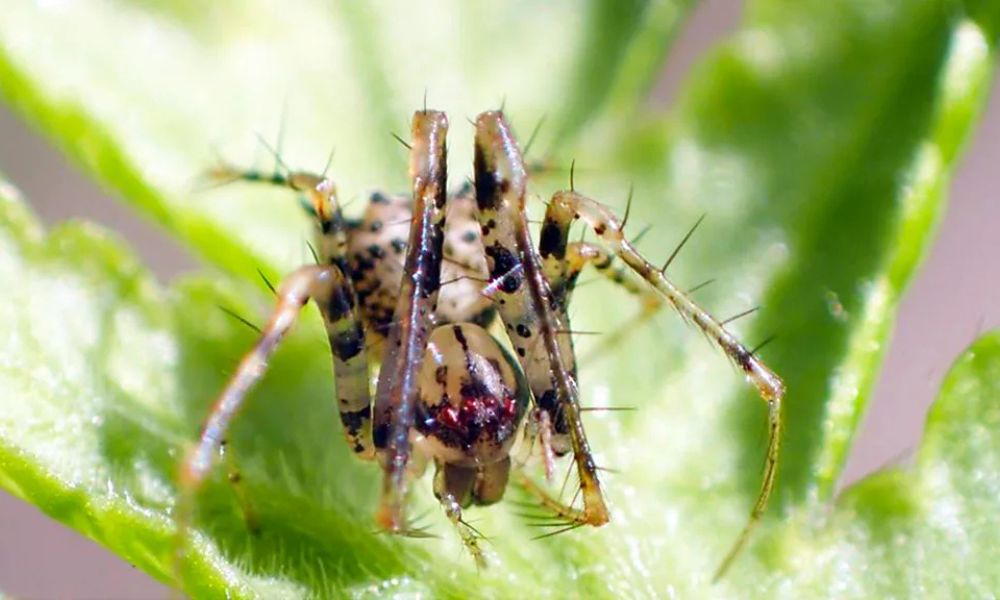
These spiders are pirates! Two new species of spiders known for hijacking other spiders' webs and plundering their contents have been discovered on a remote tropical island in the Atlantic Ocean. These species, which hide in the cloud forests of Saint Helena, are named Ero lizae and Ero natashae.
These spiders, just 4 mm long (very small, but very dangerous!), attract attention with their aggressive appearance. Particularly frightening and interesting are the two-spined protrusions on the back of the Ero lizae's body! While the exact purpose of these spines is unknown, they undoubtedly give these little pirates a creepy appearance.
These species, identified through genetic analysis conducted at the Natural History Museum in London and the Royal Museum for Central Africa in Belgium, once again prove how amazing nature can be. They may not have blindfolds or machetes, but these tiny pirates are definitely dangerous!
Sleepless warriors of nature: 5 animals that don't need sleep to rest
7. Kermitops Gratus
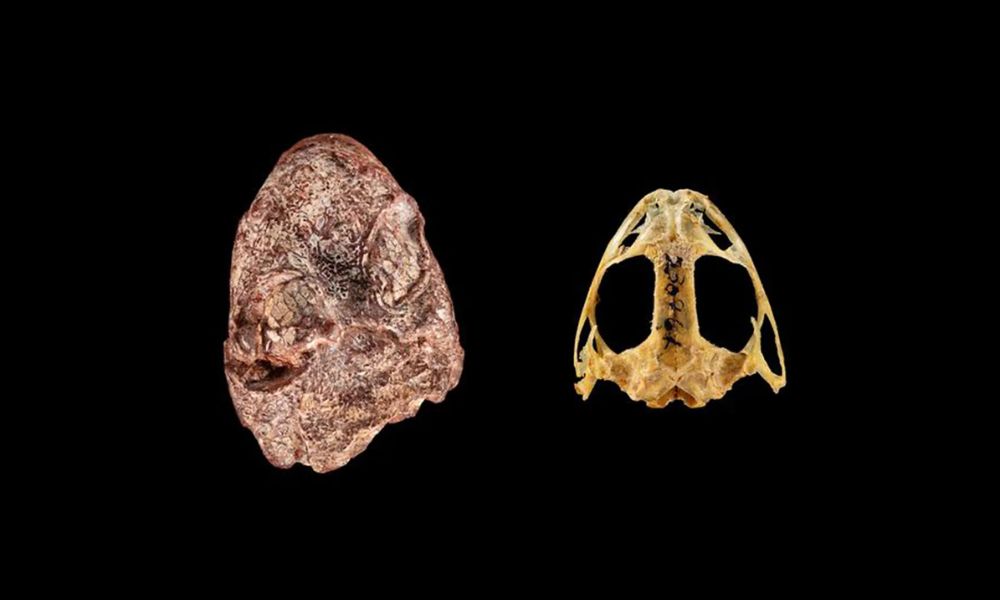
Kermitops gratus, named after the world's most beloved frog, Kermit the Frog, is actually a species that is sadly no longer among us. The remains of this adorable creature gathered dust in the Smithsonian's National Museum of Natural History in Washington, D.C., for 40 years. Fortunately, finally, "Let's examine this fossil!" It received its name and place in history thanks to a team that declared:
But here's the interesting thing: instead of being a cute frog like Kermit the Frog, this fossil looks more like a stocky, bony salamander. (Yes, the name is a bit ironic.) This creature, which lived about 270 million years ago in the area we now know as Texas, fed on worm-like insects.
And that famous "crooked smile"? This expression, caused by being crushed during petrification, earned him the name Kermit. It's like a smile from prehistoric times!
8. Blobfish and mousefish, which can live both on land and in water.
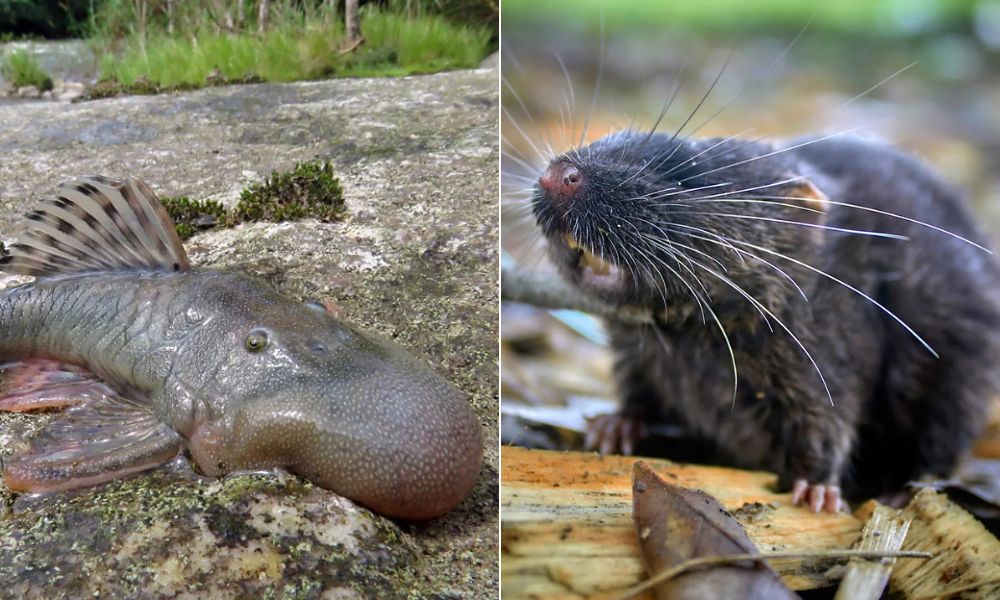
We've reached the end of our article on the strangest species discovered. An expedition to the Alto Mayo region of northwestern Peru literally shook the scientific world! During this 38-day journey, 27 new species were discovered. But there are two that are far more remarkable than the rest!
Scientists were initially surprised to see this fish, which they dubbed the "drop-headed fish." The unusual, almost cloud-like shape of its head remained a mystery. This strange creature, discovered in mountain streams, is actually a species of armored catfish. Another interesting detail: the indigenous people of the region, the Awajun, were already familiar with this fish, but to the scientific world, it is completely new!
Another fascinating animal discovered in Alto Mayo is a mouse that can live both on land and in water! This creature has adapted to the aquatic environment of the swamp forest, a genetic marvel. Thanks to its webbed toes, it masterfully swims and navigates the water! But there's a problem: its habitat is threatened by upcoming agricultural development. Scientists are concerned about the future of this tiny creature.
Share your opinion in the comments!
Interesting to know
The World's Strangest and Most Unusual Hobbies The world is changing rapidly, and our hobbies are changing with it. Here are the top 10 strangest hobbies and unusual interests that are gaining popularity in different countries. Some of them...
The strangest roads and streets in the world Some road trips can be terribly boring. But sometimes, it's not the destination, but the road and streets you drive on that are the main attractions.
The strangest festivals in the world Every year, thousands of people gather in one place to experience the strangest festivals you can imagine. Some have their roots in...
The Strangest Nicknames of American Presidents Abraham Lincoln earned a reputation as an honest, upright, and ethical politician, earning him the nickname "Honest Abe." He was also called the Great Emancipator for his role in ending slavery.
The funniest, stupidest, and strangest laws in the world Jurisprudence is a complex and multifaceted field, and lawmakers must work hard to ensure the interpretation of any given article is as unambiguous as possible. So, legislators...
The most amazing and strange museums in the world We typically associate museums with art galleries, art exhibitions, and classic paintings and sculptures. But recently, museums are opening more and more often that can...
The most amazing treasures ever discovered From advanced deep-sea expeditions to your scruffy neighbor armed with nothing but the metal detector he sold at Walmart, treasure hunters have a common goal—to someday strike it rich....
The most toxic bodies of water on the planet Traditionally, water is always considered the primary magical element; the surface of a calm lake is mesmerizing and calming. Some people relax, some swim, some fish, but not all water is meant for...
The most interesting facts about space In the 1960s, when space exploration was making rapid progress, it was assumed that humans would soon begin exploring the planets of the Solar System. Orbital stations were intended to be a stepping stone...
The most popular deadly poisons in the world Foods and drinks we're all familiar with can be deadly. And even the simplest objects can contain poison. It turns out that the most potent poisons are sometimes found near...
The most interesting facts about distance learning There are many interesting facts about virtual education, or distance learning. This is because this trend has gained momentum in recent years thanks to technology and...
The most dangerous professions in Russia in 2025-2026 Every year, more than a thousand Russian citizens die in the workplace. Rosstat processed the data and found an interesting pattern. Surprisingly, but true: the professions that most people...
The most dangerous and prohibited paints Did you ever think as a child, while painting "a sunbeam with the sky around it," that paints can bring not only creative joy but also health risks? Fortunately,...
The 10 Best Men's Fragrances of 2025 Impressions of fragrance are highly subjective. Therefore, when compiling the list of the best men's perfumes of 2025, the following factors were taken into account: availability, reviews, and variety. Ultimately, the choice...
7 Weird Innovations That Will Help People in 2025 Inventors may be considered eccentrics, even crazy, but they move the world forward. And inventions that seem useless at first glance may surprise you on second thought...
Top 10 Most Popular Marketplaces in the World 2025 The ranking participants were ranked based on the amount of traffic to their websites in different countries per month. Two key characteristics define an online marketplace:...