








Social media isn't just about interesting content and best friends you've never met.
Here are seven reasons why the title of this article is not another exaggeration.
7. Social media leads to decreased attention span
 In 2015, Microsoft conducted a study to determine the average human attention span. This wasn't done for entertainment purposes, but to help marketers address declining consumer attention spans. By 2000, the average attention span had already dropped to 12 seconds, and researchers wondered whether 15 years of internet penetration had further eroded it.
The result? Eight seconds. That's one second less than the goldfish. Are you still reading this? Good.
While it's impossible to pin social media as the sole culprit in the decline of attention span, it's clear that 280-character tweets and 15-second TikTok videos play a significant role.
- The decline in our ability to focus on 50% in just one generation would not have happened without a flood of distracting stimuli – thanks to social media.
- The inherent multitasking nature of social media also negatively impacts attention spans. After all, you need to juggle checking your favorites feed, chatting in a group chat, and liking a comment or picture.
- The more content there is on social media, the less time we spend on it. For example, mobile Facebook users spend an average of just 1.7 seconds on each element.
6. Social media is addictive.
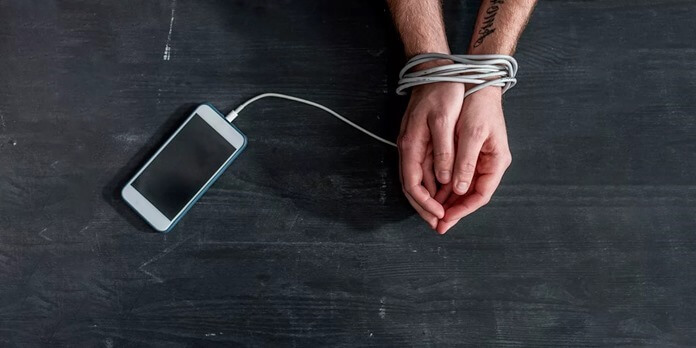 Social media can be as physically and psychologically addictive as nicotine, alcohol or gambling.
The "FOMO" effect (short for "Fear of Missing Out") is responsible for this. This is the desire to stay informed about what other people are doing.
Unfortunately, falling into the FOMO trap makes people feel more lonely and even unhappy. Looking at photos of successful friends (even though these photos are often staged), we believe that others are happier than we are.
Symptoms of social media addiction include:
- mood swings;
- anxiety;
- problems in personal relationships caused by obsessive use of social media;
- and relapse of compulsive behavior after a period of «abstinence» from social media.
5. Please like me
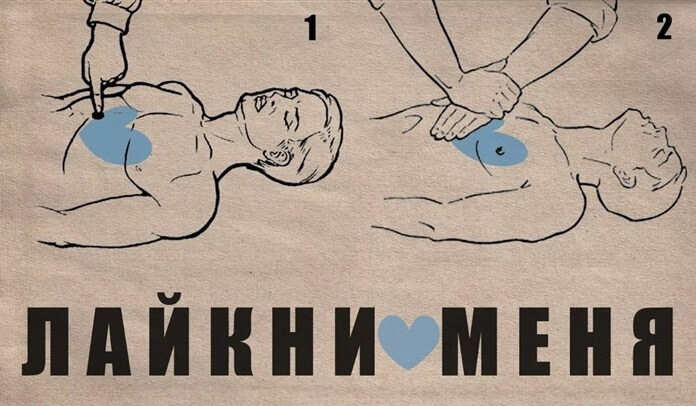 When we walk into a room with people and say something, we receive feedback in real time. In contrast, social media "rooms" are much more crowded, and it's not so easy to get noticed. And likes—as a symbol of recognition and respect in the virtual space—give us mini-dopamine hits. Admit it, you've also experienced pleasure from watching your post garner likes and comments for hours or days?
Likes are also informative—in a bad way. They help us understand which types of posts get the most positive feedback. Why is this bad? The next section of this article discusses this.
4. Cyber Chickens
 Social media makes people cowards. Knowing which types of posts typically attract the most likes, shares, and followers, many users prefer to focus only on these topics, avoiding anything considered controversial.
For example, 70% social media users in the US never or rarely post about political and social issues, according to the latest May study by the Pew Research Center.
And the two main reasons for doing this are users' fears that their posts will be used against them and their reluctance to be attacked for their views.
3. Cyberbullying

73% adult internet users have observed acts of online aggression, and 40% have experienced it firsthand. These are the findings of a 2015 Pew Research Center study.
But it's not just adults who face cyberbullying; children do too. According to Kaspersky Lab, one in three children in Russia has either been a victim of cyberbullying or heard about it. However, only 71% of parents consider online bullying a significant information threat to their children.
The main platforms for cyberbullying in Russia are VKontakte (471,000,000 recorded incidents in 2020), Instagram (241,000,000), and YouTube (151,000,000), according to the Security 2.0 monitoring center.
2. Social media turns freedom of speech into a myth
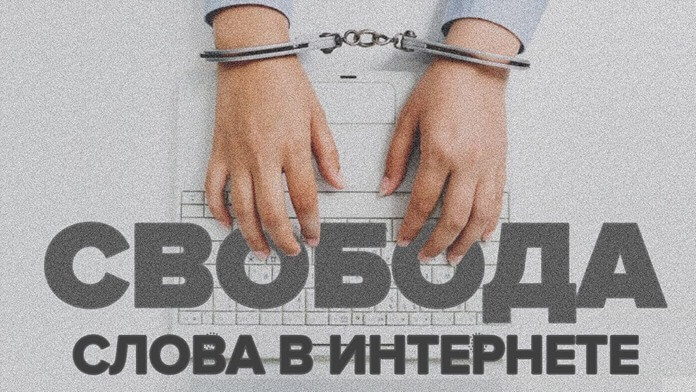 Social media platforms are placing censorship power for billions of people in the hands of a few. A prime example is the blocking of former US President Donald Trump's accounts on Facebook, Twitter, and Instagram.
Two questions arise:
- Where is the line at which freedom of speech on social media becomes dangerous?
- Who is conducting it?
Freedom House's "Freedom on the Net 2019: The Social Media Crisis" examined the internet policies of 65 countries, including China, the United States, and Russia.
Researchers have concluded that internet freedom has been declining globally for the ninth year in a row, with China being the worst offender. Arrests for political, social, or religious expression online are regularly reported in 47 countries.
Still want to express yourself freely on social media? Then you need to obtain Icelandic citizenship. This small country boasts the best virtual freedom of speech in the world.
1. It's hard to tell the truth from lies on social media.
 According to a study published in a 2019 issue of MIS Quarterly, only 44% people were able to accurately assess whether social media headlines were true or false.
Researchers also found that users are more likely to believe news headlines that align with their political views, while headlines that challenge their opinions receive little cognitive attention.
«"We all think we're better than the average person at spotting fake news, but it's just not possible."», "The study's lead author, Patricia Moravec, said in a press release. «"The social media environment and our own biases make us all much worse off than we think."».
But the inability to distinguish fact from fiction is only one of social media's problems. Researchers estimate that up to 15% users on some platforms, including Twitter, are bots tasked with everything from manipulating markets and influencing elections to spreading phishing attacks and inflating follower and comment counts.
Social media is essentially a Wild West of information, where fact and fiction can be indistinguishable, and truth is skillfully mixed with disinformation. So don't believe everything you read online. Even Comrade Lenin said so!