








PinRedditShareTweetEmailWhatsApp0 Shares
Sleep. It's where we're all Vikings. Or donuts. Whatever you dream about. It's the most horizontal position you can be in during the day, and it's usually quite relaxing. Who doesn't love a good night's sleep? But what happens if you don't get enough?
Surely everyone has stayed up all night at least once in their life, whether for work or pleasure. You stay up all night, morning comes, and you think, "Oh well. I stayed up so long, why not sleep all day?"«
However, at some point this gets tiresome. We usually don't last longer than a day or two. And it's fairly well known that sooner or later, sleep deprivation will begin to affect your well-being.
However, the mechanisms behind this process are less well understood. It's also not always clear what exactly goes wrong when you don't get enough sleep, or how serious the consequences can be. So let's look at what medical science tells us about sleep, how much you need, and the risks of not getting enough.
How much sleep do you need?
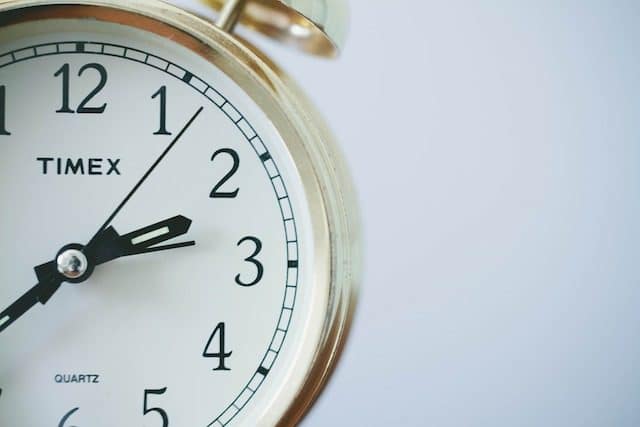
In most countries around the world, the prevailing belief seems to be that we need eight hours of sleep per day. Adults in Western countries divide their 24 hours into eight-hour chunks. You work for eight hours, sleep for eight hours, and then spend the remaining eight hours on other activities.
In reality, things aren't so simple. From a medical perspective, an adult needs at least 7 hours of sleep per day. The younger the person, the more sleep they need. Babies thrive on the recommended 16 hours of sleep per day. Essentially, they act like cats until they're a year old.
However, the number of hours of sleep is not a universal concept. Everyone is different, and it's impossible to say for sure that everyone needs a certain amount. Some people can function normally with less sleep, while others need more. In general, you should be concerned about the quality of your sleep, not its quantity.
Sleep quality is related to how well you sleep, not how long you sleep. There are nights when you go to bed, fall asleep like a log, and wake up to your alarm. Ideally, you feel refreshed and ready to start your day. That was good, quality sleep.
On the other hand, sometimes you go to bed and stare at the ceiling, at the clock; toss and turn; wake up three times to pee, and somehow wake up feeling worse than the night before. You could get the same amount of sleep, but it wouldn't be quality sleep.
If you're getting enough sleep, an adult probably doesn't need more than 9 hours. That doesn't mean anything bad will happen to you if you sleep from 12:00 PM to 12:00 PM on Sunday, but you probably won't get much benefit from those extra hours.
How long can you go without sleep?

In 1986, Robert McDonald broke the world record by staying awake for nearly 19 days straight. In total, he spent just under 454 hours awake. This is an incredibly long time, and is generally not recommended. He was constantly monitored, and, as expected, people were constantly watching him to ensure he didn't fall asleep.
The effects of sleep deprivation can begin to be felt within 24 hours. Sleep deprivation has been compared to intoxication. Complete sleep deprivation is equivalent to a blood alcohol level of 0.1%. In most countries, this is above the legal limit. This means you will suffer from cognitive impairment, slowed reaction times, mental fog, and more. The symptoms are very similar to those of intoxication.
In addition to these various disruptions, stress hormone production actually begins to increase. You'll start producing more cortisol and adrenaline. This happens because your body recognizes you're sleep-deprived and is trying to help.
After 36 hours without sleep, you'll begin to experience physical symptoms. They may not be obvious externally, but you'll be suffering from hormonal imbalances. Your appetite and body temperature may decrease, and your mental state will continue to deteriorate. Irritability is a very common symptom.
After two days without sleep, you might experience what's known as microsleep. This happens when you're still trying to stay awake, but your brain is tired from all your antics and shuts down for a few seconds. You might not even notice, and it's like a little reset button that lasts less than a minute.
Within three to four days of sleep deprivation, you'll begin to notice serious symptoms. These may include hallucinations, paranoia, and even psychosis. Interestingly, there's not much research on what happens when a person stays awake for such long periods, as forcing someone to do so is considered unethical. Currently, sleep deprivation is essentially torture, and the average doctor wouldn't want to do it to a patient. At least, not in a way that would be worth writing about in a scientific journal.
We know that at this level, your hallucinations can become more prolonged and complex. Slurred speech becomes difficult, and even walking without stumbling becomes challenging. And after 120 hours, you may experience psychotic breaks.
But, as with sleep deprivation, not everyone needs the same amount of sleep, and everyone will have different experiences. The world record holder for the longest period of sleep deprivation experienced virtually no ill effects, so your results may vary. However, as a general rule, you probably shouldn't try this on yourself.
Lack and deprivation of sleep
A lack of adequate sleep can manifest as sleep debt or sleep deprivation. These terms are similar enough to be used interchangeably, but there is a technical difference between them. Sleep debt can be considered a more acute problem, while sleep deprivation is more of a chronic phenomenon. Sleep deprivation is one of the factors or symptoms of sleep debt.
Additionally, sleep deprivation can include sleep disorders that affect sleep quality, the inability to fall asleep when you want to, or consistently poor quality sleep.
About one in five Americans sleeps less than five hours a night, which qualifies as sleep deprivation. It's practically an epidemic. Poor sleep can be caused by a variety of factors, some of which you can control, and some of which you can't.
Napping during the day can make it difficult to fall asleep at night. This disrupts your natural sleep cycle. Similarly, using devices like phones before bed has been shown to impair sleep. Caffeine and other drugs can interfere with your ability to achieve quality, consistent sleep. All of this contributes to sleep deprivation, which, if continued, can lead to sleep debt.
What happens to your body when you don't get enough sleep?

We've briefly covered what happens when you don't get enough sleep, at least in general terms. Now let's dive deeper into what happens to your mind and body if you suffer from sleep deprivation for too long.
When you're sleep-deprived (and this doesn't mean you're not sleeping at all, but simply not getting the necessary amount of quality sleep), you can expect it to impact your mood the next day. You're likely to become more irritable and experience other negative feelings that don't usually affect you. You'll also feel more stressed.
People who didn't have depression before developing sleep disorders are almost twice as likely to develop depression as those without such disorders. Between 80% and 90% of people with depression suffer from insomnia. The impact of depression on mental health cannot be overstated.
Poor sleep also impacts your memory and learning ability. In fact, your ability to absorb new information can decrease by as much as 40% if you don't get enough sleep. This, paradoxically, contradicts the idea that a student can stay up all night studying for an exam, as in this case, they're actually working against themselves.
Even one night of sleep deprivation can affect your balance and coordination, making you clumsy and slow to react throughout the day. You literally walk differently when you're sleep-deprived.
Lack of sleep also has noticeable physical consequences. Your immune system suffers from sleep deprivation, meaning you're more likely to get sick and stay sick longer. Even a common cold will be more severe and last longer if you're sleep-deprived.
We've probably all seen someone who looks tired, and there's a reason for that. When you don't get enough sleep, you literally look different. You're more likely to experience puffiness, redness, or drooping eyelids. You also notice dark circles under your eyes, pale skin, and drooping corners of the mouth. And since sleep affects cortisol levels, a lack of sleep can lead to wrinkles.
Lack of sleep is also linked to weight gain. The same areas of the brain stimulated by marijuana, which increases appetite, are also activated by sleep deprivation. This means that sleep deprivation can lead to increased eating, which can lead to obesity.
Lack of sleep in old age can also lead to dementia and Alzheimer's disease. It can also increase the risk of developing hypertension. Overall, sleep deprivation is detrimental to overall health. Not many aspects of your health will improve if you don't sleep, but many will worsen.
Perhaps the most insidious thing about this is that it's a game of centimeters. Each of these things grows slowly. So, at first, nothing is seriously affected; it's just that a multitude of small factors gradually undermine your overall health, worsening your well-being in ways that are initially difficult to even notice.
Can lack of sleep lead to death?

There are two ways to look at this question. If you can't sleep for a long time, it doesn't mean your body will simply shut down and you'll suffocate. Sleep deprivation isn't like a gunshot wound. As far as we know, sleep deprivation has never directly caused death. However, chronic sleep deprivation can lead to accidents and premature death. And there's evidence that sleep deprivation is lethal to animals.
There's a genetic disorder called fatal familial insomnia that can develop over time and worsen as it persists. As it progresses, it deteriorates mental and physical function, including disruption of the autonomic nervous system. The ability to regulate breathing and heart rate can be impaired, which can ultimately lead to death. This, of course, is different from simple sleep deprivation, which can be fatal.
Other articles that may interest you