








There's a big difference between eating something that's tasty but unhealthy and eating something that could kill you. If you want to stay healthy for as long as possible, eliminate the foods listed in our top 10 from your diet. the most poisonous foods in the world.
10. Monkey brains

Remember the scene in Indiana Jones and the Temple of Doom where the heroes are served chilled monkey brains? As it turns out, this exotic dish can give you a deadly disease. Monkey brains can be a source of infection, leading to Creutzfeldt-Jakob disease. It is fatal in 85% cases, even in mild cases. Here are the main symptoms:
- epileptic seizures;
- depression and other mental disorders;
- blindness;
- loss of the ability to speak and understand language;
- difficulty swallowing;
- chronic pain.
There is no known cure or even way to slow the progression of Creutzfeldt-Jakob disease.
9. Rhubarb
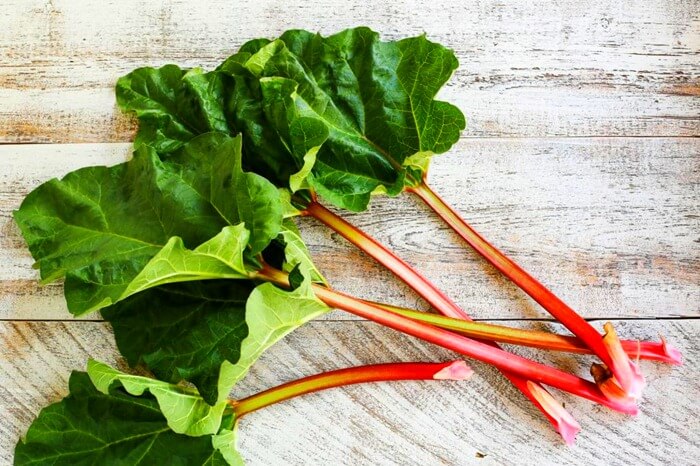
This plant can be used to make a delicious pudding or pie, but if you eat the wrong part of the rhubarb, it could be your last meal.
Rhubarb leaves contain chemicals called oxalates. When ingested, they can cause breathing difficulties, seizures, kidney failure, and even death. Rhubarb stems also contain oxalates, although in small quantities.
8. Sannakchi

This deadly gastronomic delicacy originates from Korea. A live octopus is cut into pieces, seasoned with sesame oil, sprinkled with sesame seeds, and served. But even in this state, the octopus is still dangerous. Its suckers can attach to your throat and mouth, causing choking. There have been cases of choking after eating sannakji.
7. Aki
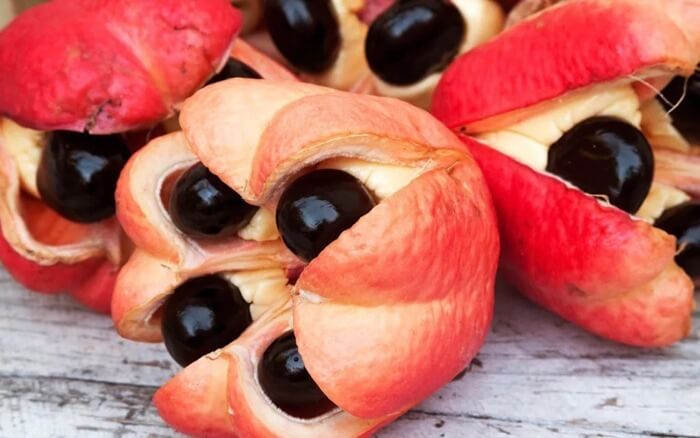
This is the "national" fruit of Jamaica. When unripe, it's not exactly considered a healthy fruit due to its hypoglycine content. This is a poison that causes what's known as "Jamaican vomiting sickness." Once the fruit is ripe, it becomes safe to eat. Therefore, if you're in Jamaica, eat the yellow ackee and never the seeds, which are always toxic.
6. Cashews

«"What nonsense! I've eaten cashews a hundred times, and nothing happened," the reader might exclaim. And they'll be right. Nothing happened because the toxic substances—anacardic acid (similar in action to poison ivy) and cardol—are not in the nut itself, but in the shell surrounding it.
To make the product safe for consumption, cashews are first removed from their shells, then softened in water, and finally dried to remove the dangerous acid. However, this must be done at a fairly high temperature of 125°C, otherwise traces of the poison may remain on the roasted nuts.
And "raw" cashews are a marketing ploy; all these delicious nuts are steamed before being sold.
5. Bloody clams

Fifth place on the list of deadly foods goes to a food popular in Asian countries. This seafood gets its name from its high hemoglobin content, which makes the shellfish appear to bleed.
Bloody mussels can also transmit blood diseases such as hepatitis A, typhoid fever, and dysentery. This occurs because they live in low-oxygen environments where many viruses and bacteria thrive.
In 1988, a hepatitis A epidemic broke out in Shanghai due to the consumption of bloody shellfish. Over 300,000 people were infected, and 30 died, according to the Shanghai Daily.
4. Hakarl

This is the name for dried shark meat, a traditional Icelandic dish. It's best to avoid this ancient Viking delicacy, as shark meat contains toxins such as trimethylamine oxide and uric acid.
Preparing a hakarl involves cutting up the shark and placing the pieces in gravel-lined containers with holes in the sides. The pieces are left there for a couple of months to allow the toxins to drain out of the carcass along with the fluids. They are then left to "ripen" in the open air for another two to four months. However, this doesn't always work, and then the eater faces the "pleasures" of severe poisoning.
3. Fisih
In Egypt, the Nile River has always been a source of life. But it also provided a springtime "harvest" of rotting fish when the floodwaters receded. Some clever person, back in the time of the pharaohs, combined the fish and the magic of the flood season. Thus, the holiday of Shem al-Nissim, which translates as "the scent of the breeze," was born.
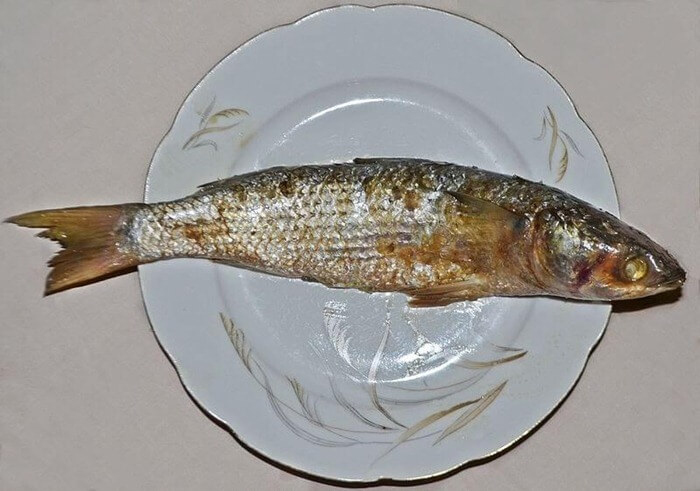
These days, Egyptians also eat feseekh, a fermented fish dish. No one likes it, but tradition is tradition. To prepare feseekh, mullet is sun-dried and then placed in a vessel of salt water for six weeks. Technically, the salt prevents rotting, but the fish remains raw and stinks. However, the main problem isn't that; it's botulism. If there's not enough salt or the fish has already begun to rot, pathogenic bacteria have their own fun. Botulinum toxin is a nerve toxin that paralyzes muscles. The symptoms of botulism are similar to a stroke.
Botulinum toxin is also injected into people's faces in very low concentrations to make them look younger. This procedure is called "Botox.".
2. Casu Marzu

This is Sardinia's most unusual national dish and, at the same time, the most dangerous cheese in the world. It's made from ordinary pecorino cheese, which is allowed to rot until it's completely gone. Cheese flies lay their eggs in the "rotten cheese" (as its name translates), and from these eggs hatch larvae. Their job is to decompose the cheese, which becomes very soft. Then it's up to the people who dare to try casu marzu.
Whether to remove maggots from cheese before eating is a matter of personal preference. However, it's best to cover the cheese with your hand before biting into it: disturbed maggots can jump up to 15 centimeters. However, a maggot in your eye isn't the worst thing that can happen. Some cheese fly maggots don't die once inside a person. They're such resilient creatures that even stomach acid doesn't always affect them. Once you digest the rotten cheese the maggots once called home, they begin looking for a new place to live. And since they're inside you, guess what they'll choose? It's certainly strange to have maggots in your throat, but it's definitely worse when they're crawling along the walls of your intestines.
1. Fugu

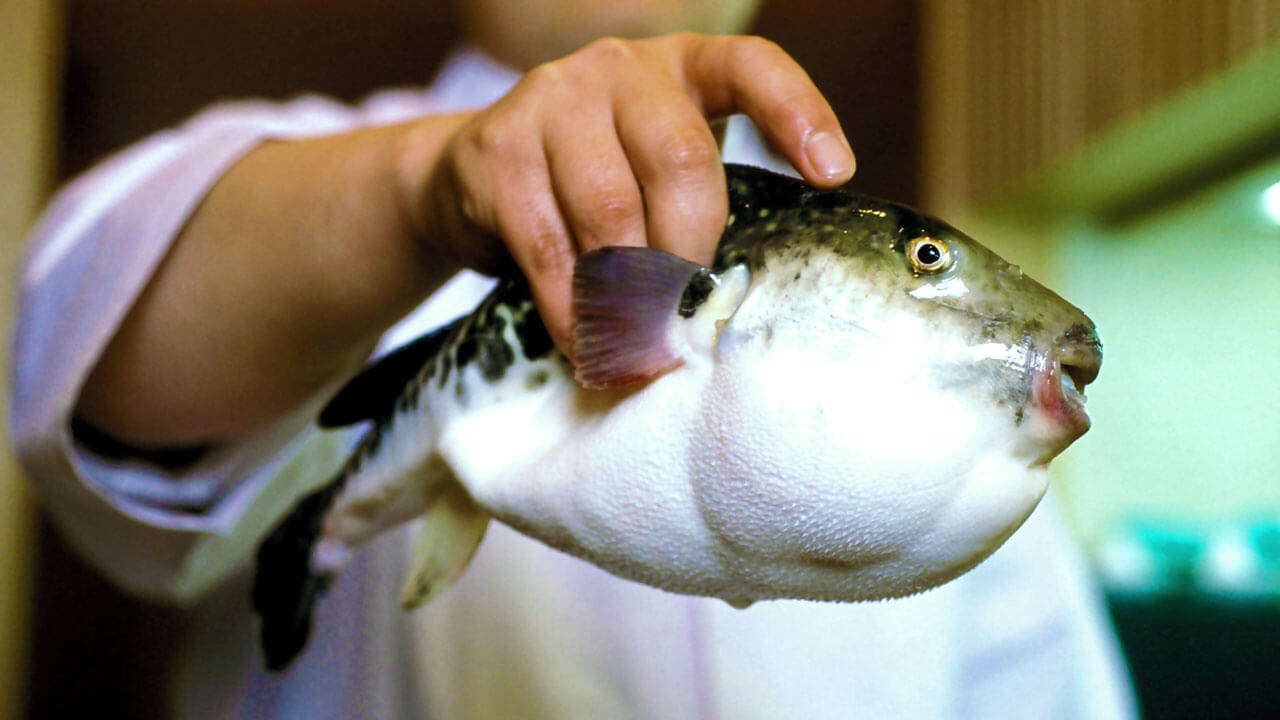
Name the most dangerous delicacy in the world The word "fugu" translates as "river pig." But you won't get bacon from this pig; instead, the fugu (a member of the large pufferfish family) contains large amounts of tetrodotoxin. The fish uses this powerful neurotoxin during life to defend itself from predators. And after death, it takes revenge on the people who wanted to eat it.
Tetrodotoxin affects the human nervous system and inhibits nerve impulse transmission. Initially, you experience a tingling sensation in your mouth, followed by dizziness, nausea, and headache. Breathing becomes difficult. Then your muscles begin to tense as you lose control of your entire body, eventually becoming completely paralyzed. However, you don't lose consciousness, so you know exactly what's happening until the neurotoxin causes cardiac arrest and stops your lungs.
When properly prepared by a trained, certified chef, fugu is safe to eat. However, if any tetrodotoxin-containing flesh is left behind during cooking, it will likely be your last meal. The liver, roe, and milt are particularly toxic. According to various estimates, improperly prepared fugu kills between 30 and 50 people a year. That's why we've placed it at the top of our list of the most dangerous foods on Earth.