








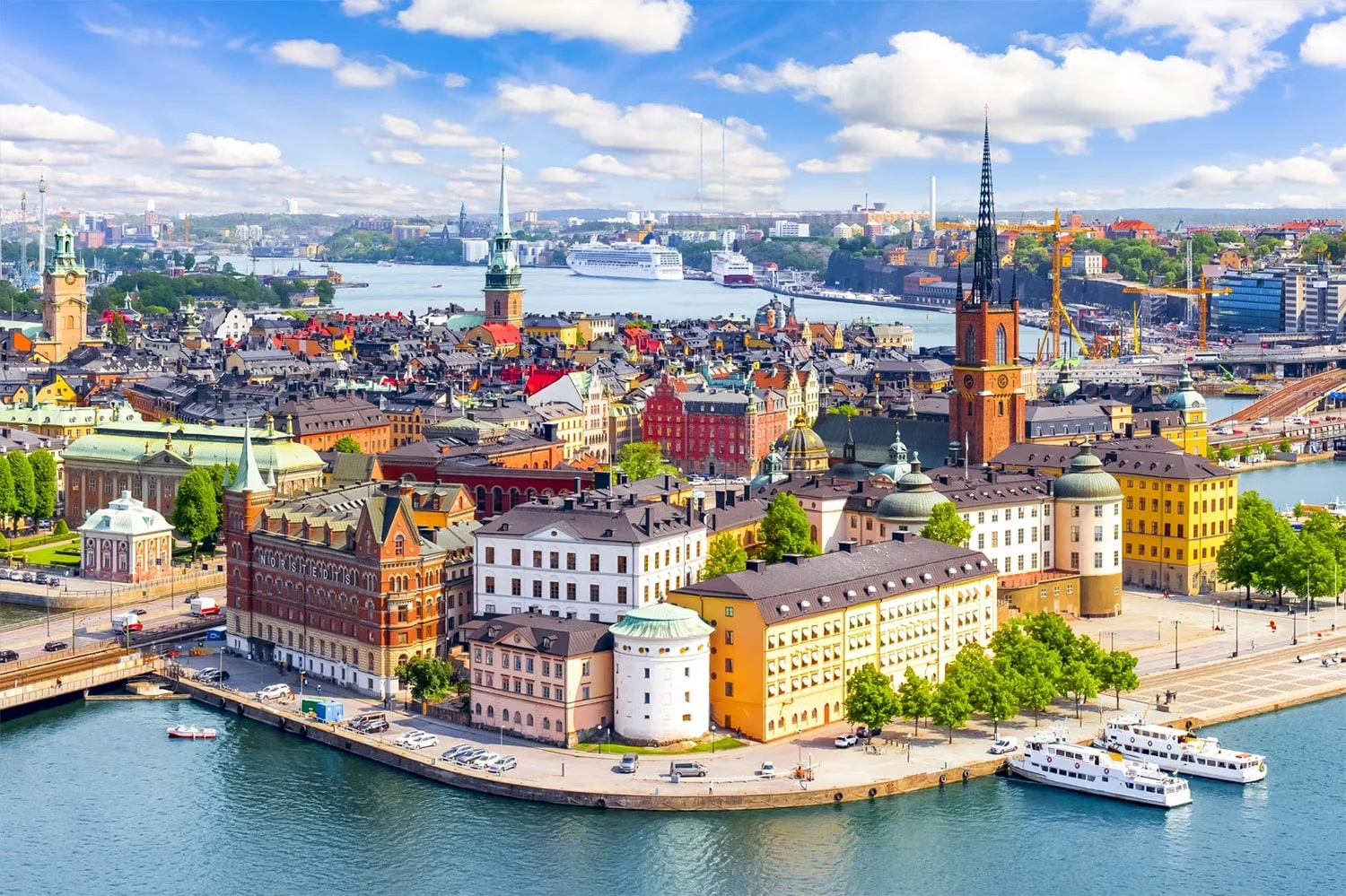
Stockholm, the capital of Sweden, is not only the country's political and economic center but also a vibrant hub of culture, history, and innovation. Located on Sweden's east coast, it stretches across 14 islands connected by more than 50 bridges in the vast Baltic Sea archipelago. Renowned for its clear, open waters, beautiful architecture, and high standard of living, Stockholm is often named one of the most beautiful cities in the world. Its rich history, combined with a modern and progressive spirit, makes Stockholm a fascinating place to explore. Here are 32 interesting facts about Stockholm that highlight its uniqueness and significance.
- Stockholm has been the political and economic centre of Sweden since the 13th century.
- The city is built on 14 islands and is known as the "Venice of the North".
- Stockholm hosts the Nobel Prize award ceremonies and is home to the Nobel Museum.
- The Stockholm archipelago consists of approximately 24,000 islands and islets.
- The first part of the name "Stockholm" means "log" in Swedish, and is thought to refer to the logs dumped into the water around the city for fortification purposes.
- The Royal National City Park in Stockholm is the world's first officially protected "national city park".
- Stockholm's old town, Gamla Stan, dates back to the 13th century and is one of the best-preserved medieval city centres in Europe.
- The Stockholm metro is known as the world's longest art gallery, with its beautifully designed stations.
- The Vasa Museum in Stockholm is built around a 17th-century warship that sank on its maiden voyage in 1628.
- Stockholm hosted the 1912 Summer Olympics.
- The annual Stockholm Marathon is one of the largest in Europe, attracting thousands of runners from all over the world.
- ABBA, one of the most famous pop groups of all time, was born in Stockholm.
- The city has more than 100 museums, making it one of the cities with the highest concentration of museums in the world.
- The construction of Stockholm City Hall, where the Nobel banquet is held, took 12 years and was completed in 1923.
- Stockholm places a strong emphasis on sustainable development and aims to be fossil fuel-free by 2040.
- The Ericsson Globe building in Stockholm is the largest hemispherical building on Earth.
- Stockholm became the first city to receive the European Green Capital award in 2010.
- The city's metro system stretches over 110 kilometres, making it one of the longest in Europe.
- Skansen, located in Stockholm, is the world's oldest open-air museum and zoo, opened in 1891.
- The Stockholm Ice Bar is the world's first permanent ice bar; its interior, including the glasses, is made entirely of ice.
- Djurgården Island is a favorite vacation spot for locals and is home to some of the city's best museums and attractions.
- Kungsträdgården Park, or the King's Garden, is a popular recreation area in central Stockholm, and in the summer it hosts open-air concerts and events.
- The Nobel Library in Stockholm contains approximately 200,000 volumes on science, literature and peace.
- The Swedish monarchy, although largely ceremonial, remains seated at the Royal Palace in Stockholm, one of the largest palaces in Europe, with over 600 rooms.
- The National Museum in Stockholm houses Sweden's largest art collection, with more than 16,000 paintings and 30,000 pieces of decorative art.
- The Museum of Economic Affairs – the Royal Coin Cabinet – showcases the history of money and the economic history of Sweden.
- The Kaknäs TV Tower is the tallest structure in Scandinavia.
- Stockholm Pride, the largest pride festival in Scandinavia, takes place annually in Stockholm.
- The water in the city is so clean that you can fish for salmon right in the center of Stockholm.
- In 1628, Stockholm's population was about 15,000, but today it exceeds 900,000.
- At the beginning of the 20th century, the Stockholm Telephone Tower connected around 5,000 telephone lines, making it a unique and historical symbol of the birth of telecommunications.
- Medieval Week on Gotland, near Stockholm, is one of the most significant historical reenactment festivals in Europe.
A rich blend of history, culture, and modernity makes Stockholm a unique gem in Scandinavia. From its archaic roots in Gamla Stan to its ambitious environmental goals, Stockholm melds the past and the future in a captivating way. These facts not only demonstrate Stockholm's global significance but also explain why it remains a top tourist destination and a model city for urban planning and sustainability.