








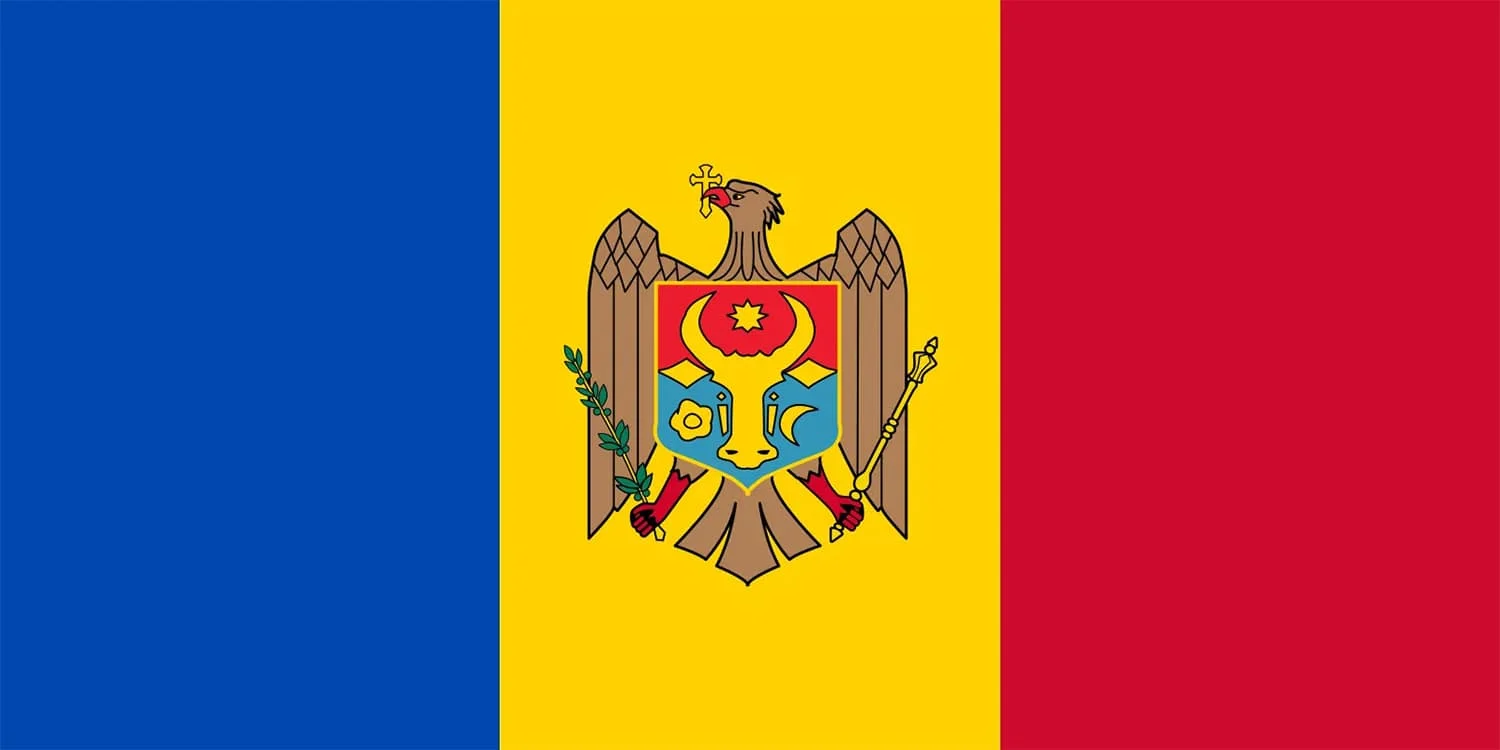
Moldova, a charming yet often overlooked country nestled between Romania and Ukraine, offers a rich heritage of history and culture. Known primarily for its picturesque landscapes and rich winemaking traditions, this small country boasts a unique blend of Romanian and Soviet influences, reflected in its languages, traditions, and architecture. Despite its size, Moldova has a vibrant heart, with a vibrant capital in Chisinau and a population renowned for its hospitality. As Europe's least visited country, it conceals a wealth of untold stories and facts that intrigue and enlighten.
- Moldova declared independence from the Soviet Union on August 27, 1991.
- The official language is Romanian, which in some political contexts is also known as Moldovan.
- It is one of the poorest countries in Europe, with an economy largely dependent on agriculture.
- Moldova is famous for its wine production, which makes up a significant part of its economy.
- The country has one of the highest numbers of vineyards per square mile in the world.
- Chisinau, the capital of Moldova, is the country's largest city.
- The Milestii Mici wine cellar holds the world record for the largest wine collection in the world.
- Moldova is a landlocked country with no direct sea links.
- Gagauzia, an autonomous region in southern Moldova, is the homeland of the Gagauz, a Christian Turkic-speaking people.
- The country's flag features a tricolor of blue, yellow and red, just like the Romanian flag.
- The Struve Geodetic Arc, a chain of triangulations extending from Norway to the Black Sea, has points located in Moldova.
- Moldova's population is approximately 2.6 million, having declined as a result of emigration.
- Orthodox Christianity is the predominant religion.
- The Transnistrian region in eastern Moldova is a breakaway state not recognized by the international community.
- Moldovan cuisine is influenced by Romanian, Russian and Turkish cuisines.
- The country first took part in the Eurovision Song Contest in 2005.
- Moldova is a parliamentary republic.
- The country's education system includes compulsory education up to and including the ninth grade.
- Moldova occupies a high position in global wine exports, especially to Russia and Eastern Europe.
- The Raut River is the longest river that flows entirely within the borders of Moldova.
- Stefan cel Mare, a national hero, ruled Moldova in the 15th century and resisted the Ottoman invasion.
- The Orheiul Vechi archaeological complex displays remains of various civilizations, including the Dacians, Mongols and Orthodox monks.
- «The Eternal Flame in Chisinau is dedicated to the victims of World War II.
- Moldova has a temperate continental climate.
- The tallest building in Moldova is the Sky Tower in Chisinau.
- Traditional Moldovan folk music includes the use of flutes, bagpipes and percussion instruments.
- Soroca, famous for its well-preserved medieval fortress, plays an important role in the history of Moldova.
- The Lipčani-Rădăuţi Bridge is one of the main transport routes connecting Moldova and Romania.
- The country became a member of the United Nations in March 1992.
- Moldova has introduced a "wine visa" program to attract tourists to its vineyards.
- The country's most famous dessert is placinta, a traditional pastry.
- Despite its small size, Moldova has three national languages: Romanian, Ukrainian and Russian.
- The Dniester River is of crucial importance for Moldova's agriculture, providing essential water resources.
- Annual festivals in Moldova often focus on wine and local traditions, attracting visitors from across Europe.
In conclusion, the combination of scenic beauty, rich history, and cultural diversity makes Moldova a unique gem of Eastern Europe. Despite its small size and often overlooked location, the country boasts deep-rooted winemaking traditions and warm hospitality, making a visit an unforgettable experience. This article has shed light on little-known aspects of a country that is a testament to its resilience and cultural richness.