








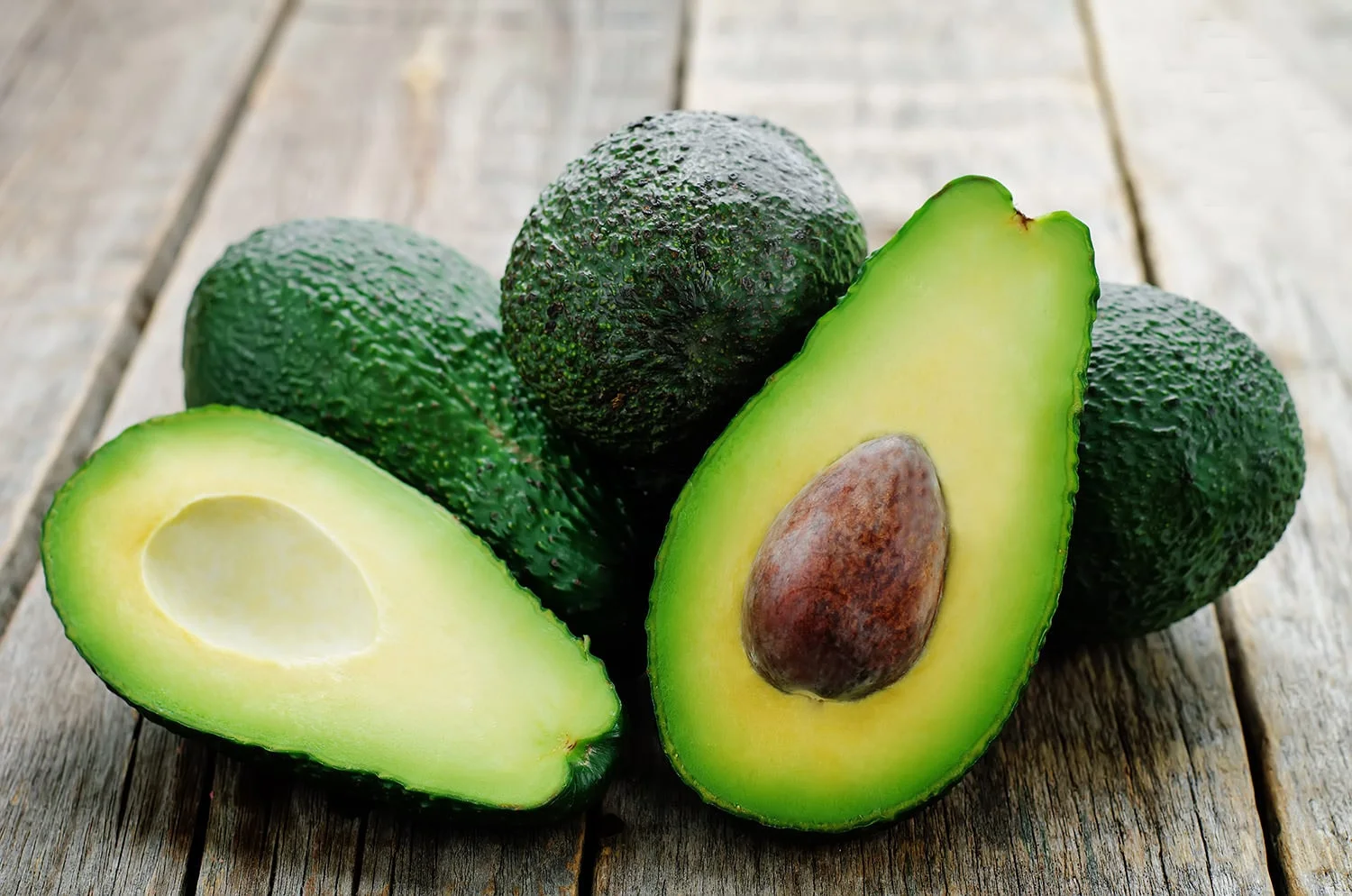
Avocados, often referred to as the butter fruit, have gained immense popularity in recent years, graced kitchens and restaurant menus around the world. Native to south-central Mexico, the avocado tree belongs to the flowering plant family (Lauraceae). This creamy fruit is known not only for its versatility and rich texture but also for its significant nutritional value, making it a favorite among health enthusiasts. They play an important role in vegetarian and vegan diets as a substitute for the protein and fat found in animal products. Here are 34 interesting facts about avocados, covering their history, benefits, and uses.
- The avocado (Persea americana) was first domesticated in south-central Mexico about 10,000 years ago.
- Avocado trees are self-pollinating and have a unique flowering pattern known as "protogynous dichogamy.".
- The word "avocado" comes from the Spanish word "aguacate," which in turn comes from the Nahuatl word "ahuacatl," meaning "testicle," likely a reference to the shape of the fruit.
- Avocado is a fruit, not a vegetable, but a large berry containing one seed.
- They contain more potassium than bananas, a nutrient known to lower blood pressure.
- Avocado trees do not self-pollinate; they require another avocado tree nearby to produce fruit.
- One avocado contains more than twice the potassium of a banana.
- The Hass avocado, the most common commercial avocado variety, accounts for approximately 80% of all avocados consumed worldwide and was patented by Rudolf Hass in 1935.
- Avocado oil is an excellent source of lecithin, which may help improve memory and brain function.
- Once a delicacy reserved for royalty, avocados are now enjoyed all over the world.
- They are rich in monounsaturated fats, which are good for the heart.
- Avocado trees can grow up to 65 feet tall.
- On average, one avocado tree produces about 120 fruits per year.
- This fruit is naturally rich in nutrients and contains about 20 vitamins and minerals.
- The oldest living avocado tree was planted in 1879 in California and is still bearing fruit.
- California produces approximately 90% of the country's total avocado crop.
- Avocado can be used as a fat substitute in baking recipes.
- Avocado peels are toxic to some animals, including birds and large pets such as cats and dogs.
- Avocados do not ripen on the tree; they ripen or "soften" after harvest.
- They are rich in fiber, which may promote weight loss, reduce blood sugar spikes, and is linked to a lower risk of many diseases.
- Avocado flowers are unisexual, meaning they have both male and female organs, but they function differently.
- They contain antioxidants that can protect your eyes, such as lutein and zeaxanthin.
- Eating avocados can improve skin condition and speed up wound healing thanks to the healthy fats and nutrients they contain.
- Avocado extract has been studied as a possible treatment for arthritis.
- Avocado can replace butter or vegetable oil in cooking.
- This fruit is gluten-free, dairy-free, vegan-friendly, vegetarian-friendly and cholesterol-free.
- Growing avocados is challenging due to the trees' high water requirements.
- Most of the avocados consumed in the United States are imported from Mexico.
- Avocados are harvested by hand using poles that can be up to 16 feet long.
- They were once believed to be aphrodisiacs, which limited their popularity in some cultures.
- According to the Guinness Book of World Records, the largest recorded avocado weighed 5.6 pounds.
- Avocado leaves used in cooking must be of the Mexican variety to be safe to eat.
- In Brazil, avocado mixed with sugar and milk is used to make a dessert called creme de abacate.
- Avocado is used in cosmetics due to the oils it contains, which are beneficial for the skin and hair.
Avocados are more than just an ingredient for guacamole or a trendy toast topping; they're a true powerhouse of nutrients, boasting numerous health benefits. Their rich history and wide range of uses make them a fascinating subject for research beyond just culinary pursuits. These facts highlight the avocado's versatility and nutritional value, confirming its status as a superfood and its growing popularity in diets around the world. This comprehensive review provides a deeper understanding and appreciation of avocados, helping to foster healthier, more diverse eating habits.