








Oman, a country on the Arabian Peninsula, boasts a landscape that includes deserts, riverside oases, and extensive coastlines along the Arabian Sea and the Gulf of Oman. Renowned for its rich history spanning thousands of years, the country blends ancient heritage with modernity. Oman boasts a diverse geography, vibrant culture, and open, welcoming people. Its capital, Muscat, with its majestic Al Jalali and Al Mirani forts guarding the entrance to the natural harbor, tells stories of a bygone era of traders and seafarers. Here are 33 interesting and informative facts about Oman that showcase unique aspects of its geography, culture, history, and more.
- Oman is the oldest independent state in the Arab world.
- Since the 17th century, this state has been a sultanate.
- The official language of Oman is Arabic.
- Islam is the dominant religion, and the country is known for its tolerance and pluralistic society.
- Oman is famous for its historic forts, with over 500 fortresses, castles and towers.
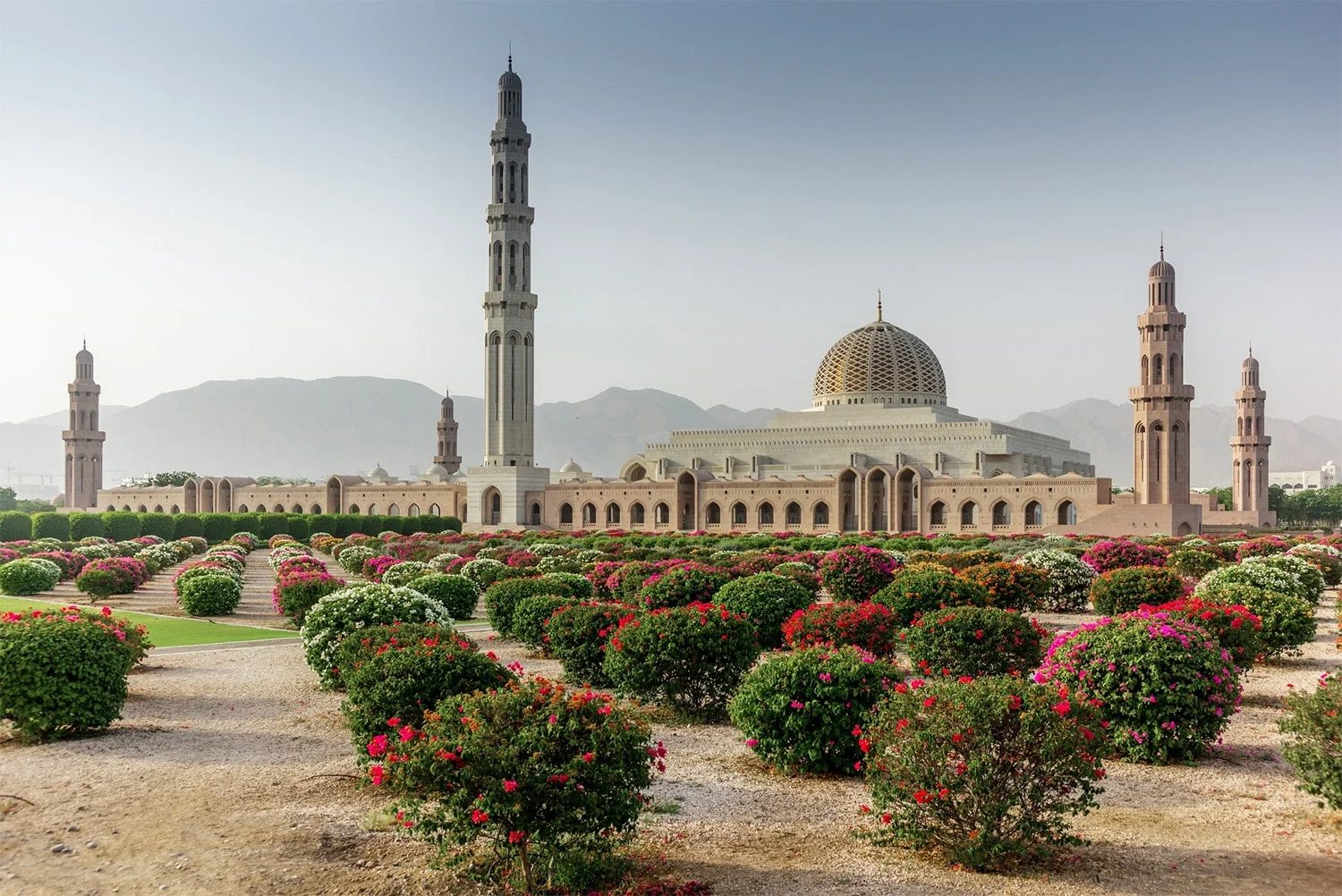
- The Sultan Qaboos Grand Mosque in Muscat can accommodate up to 20,000 worshippers and houses one of the world's largest hand-woven Persian carpets.
- The Omani calendar is based on the lunar cycle, similar to the Islamic Hijri calendar.
- Traditionally, Oman's economy has relied on fishing and agriculture.
- Today, oil exports are a significant source of income, although Oman's oil reserves are smaller than those of neighboring countries.
- As part of its economic diversification strategy, the country is making significant progress in developing tourism.
- The Green Turtle Conservation Programme in Ras Al Jinz is one of the main tourist attractions where visitors can watch turtles nesting at night.
- Oman is the only country in the world named after its founder, Sultan bin Said bin Sultan of Oman.
- Frankincense, derived from the Boswellia sacra tree, is an important part of Omani culture and was once valued more than gold.
- Rub' al Khali, the world's largest continuous sand desert, extends into Oman.
- A traditional Omani dish, shuwa is slow-cooked marinated lamb wrapped in banana leaves.
- Traditionally, Omanis wear a dishdasha, a long, ankle-length dress.
- The khanjar, a curved dagger, is the national symbol of Oman and appears on the national flag.
- Omani men typically wear a kummu, a type of embroidered cap, and women wear colorful dresses called abayas.
- Located in a remote area of Oman, Majlis al-Jinn is one of the largest cave complexes in the world.
- Oman has a unique system of water canals called aflaj (singular: falaj), recognized by UNESCO and used for irrigation in mountainous and desert areas.
- Separated from the rest of Oman by the United Arab Emirates, the Musandam Peninsula is known for its jagged, fjord-like bays and desert-like mountain landscapes.
- Oman's maritime history is rich in shipbuilding and exploration traditions.
- The country has a high literacy rate and education is compulsory until the end of primary school.
- Oman is home to the Arabian Oryx Sanctuary, the first site in the world to be removed from the UNESCO World Heritage List.
- Nizwa, once the capital of Oman, is famous for its 17th-century fort and iconic round tower.
- The Omani rial is one of the most expensive currencies in the world.
- Oman maintains a policy of neutrality and refrains from participating in regional conflicts, earning it the nickname "the Switzerland of the Middle East.".
- The country is an absolute monarchy, currently ruled by Sultan Haitham bin Tariq al-Said.
- Musandam is often called the "Arabian Norway" due to its impressive fjord-like landscapes.
- Date palms are common in Oman, and the country is renowned for its high-quality dates.
- The annual festival in Muscat celebrates Omani culture, traditions and heritage.
- Oman is one of the few places in the world where you can encounter Mumin, a species of dolphin found exclusively in the Persian Gulf.
- In Salalah, located in southern Oman, the monsoon season, known as Khareef, transforms the desert landscape into lush greenery.
Oman's unique blend of ancient traditions and modern life, along with its diverse landscapes and commitment to preserving its natural and cultural heritage, make it a fascinating country to explore. From the turtle-dotted beaches of Ras al-Jinzah to the bustling markets of Muscat and the serene beauty of the Musandam Peninsula, Oman offers a multitude of experiences for every traveler. Its history of maritime excellence, rich biodiversity, and the warm hospitality of its people add to the country's charm. Continuing to bridge the gap between its glorious past and ambitious future, Oman remains a testament to the enduring spirit of its people and the timeless appeal of its landscapes. The country's efforts to balance modernization and cultural preservation, as well as its role as a peacemaker in the region, are commendable. As more and more people discover the wonders of Oman, the country is poised to capture the hearts of visitors from around the world, inviting them to explore its secrets and enjoy its hospitality. Whether it's the ancient art of shipbuilding, the sacred tradition of incense, or the natural wonders of its deserts and coastlines, Oman offers a rich variety of experiences that reflect the depth and diversity of its human and natural history.