








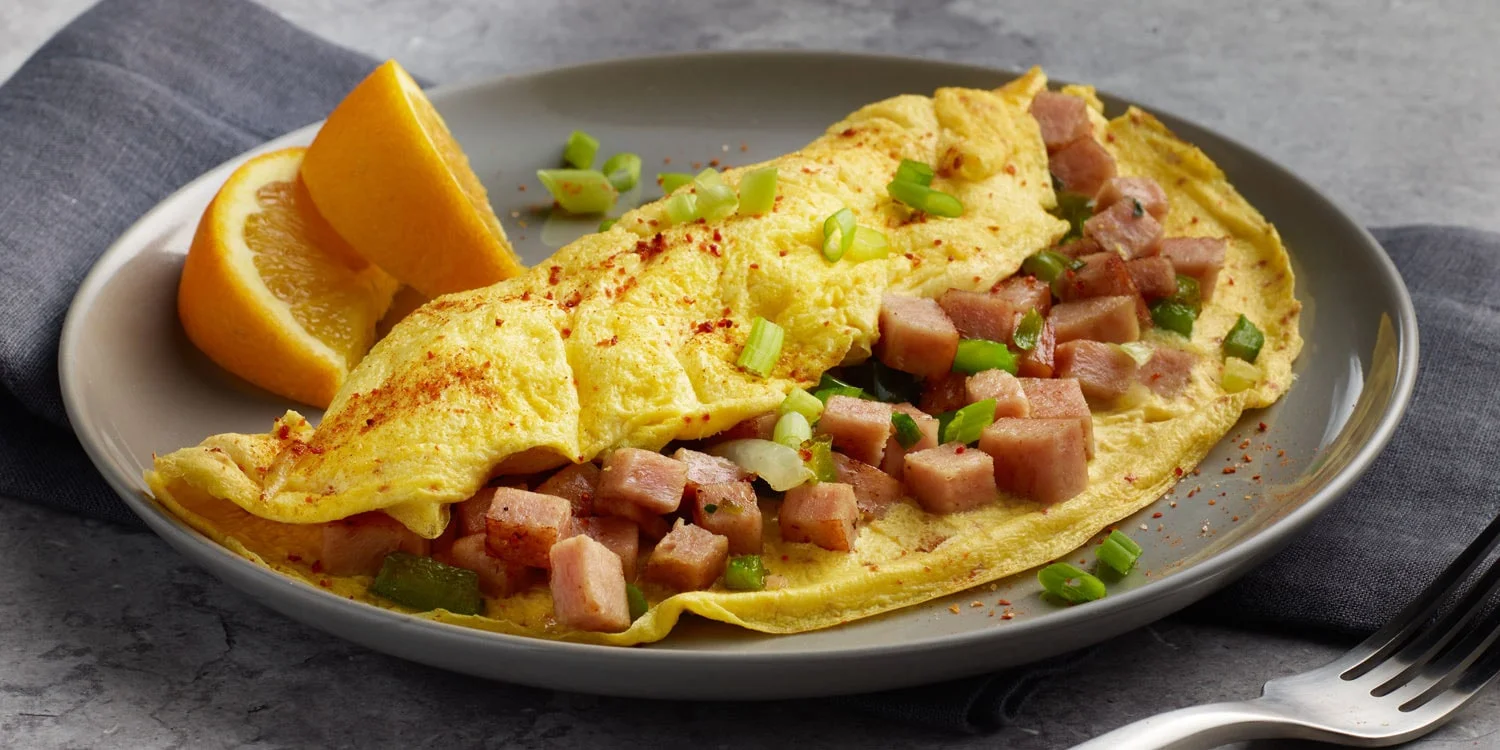
The omelet is a breakfast favorite around the world, but its simplicity conceals a rich and varied history. This versatile dish can be as simple or complex as the cook desires: it can be made with just eggs and butter or with the addition of various cheeses, vegetables, meats, and herbs. The origins of the omelet are debated: some claim it dates back to ancient Persia, while others attribute its creation to France or even Japan, with their exquisite tamagoyaki. Regardless of its origins, the omelet has become a favorite dish in many cultures, each with its own twist on the classic dish. Let's explore some interesting and informative facts about omelets that highlight their global popularity and culinary diversity.
- The word "omelette" is believed to come from the French word "omelette," which in turn comes from the Latin word "lamella," meaning thin plate, referring to the flat shape of the dish.
- The ancient Persians prepared an early version of the omelet called "kuku sabzi," which consisted of eggs mixed with herbs.
- The first documented omelette recipe appeared in a French cookbook in the 14th century.
- Napoleon Bonaparte is said to have popularized the omelette after he loved it so much that he ordered the people of Bessieres, France, to gather all the eggs and make a giant omelette for his army.
- In the town of Bessières, every Easter dish is now prepared as a giant omelette using thousands of eggs.
- Spanish omelettes, or "tortilla española," typically contain potatoes and onions, making them significantly different from the simpler French version.
- In Japan, they make a sweet omelette called "Tamagoyaki," which is made by rolling up several layers of boiled egg and is often served with sushi.
- The world record for the largest omelette was set in Portugal in 2012, where chefs used 145,000 eggs to create an omelette weighing over 6,466 kilograms (14,255 pounds).
- Omelettes can be prepared in a variety of ways, including frying, baking, and even steaming in some cultures.
- The classic French omelet, the "omelet natural," is known for its smooth, light, unbrowned crust and is often cooked only in butter.
- Frittata, the Italian version of an omelet, is typically cooked on the stovetop and finished in the oven, so it's thicker than its French counterpart.
- Some culinary experts believe that adding milk to the egg mixture makes the omelette tougher and prefer to use water or cream as an alternative.
- The Denver omelet, also known as the Western omelet, traditionally includes ham, onions, and green bell peppers.
- The expression "to beat an egg" comes from the process of making an omelet, emphasizing the need to beat the eggs thoroughly.
- In India, spices such as turmeric and garam masala are often added to omelettes, reflecting the country's rich spice culture.
- The French Culinary Institute hosts an annual event where chefs compete to create the perfect omelette, judged on texture, color, and flavor.
- The method of folding an omelet is a matter of debate among chefs: some prefer a triple fold, others a simple half fold.
- Omelettes are popular with those on a high-protein diet due to their high egg content.
- In some regions of the Philippines, a stuffed omelette called "torta" is prepared, which includes ground meat and vegetables.
- An omelette made by whisking the egg whites separately and then folding them into the yolks is a variation that produces a lighter, fluffier texture.
- According to culinary historians, Louis XIV celebrated his wedding with an omelette made from 1,000 eggs.
- In some cultures, omelettes are traditionally eaten at the end of a meal rather than at the beginning.
- «Hangtown fry, a type of omelet with oysters and bacon, originated during the California Gold Rush.
- Omelettes are often used as a food to introduce children to cooking because they are easy to make and cook quickly.
- Mushroom omelettes were a favorite dish of the Russian Tsar Alexander III, and were reportedly eaten every day for breakfast.
- In Iran, omelettes are sometimes flavored with saffron, the most expensive spice in the world.
- A popular French dessert omelette, the "omelette norwegian" is similar to "baked Alaska" and is made with ice cream and meringue.
- Egg foo young, a common omelet in Chinese-American cuisine, is deep-fried and served with a savory sauce.
- In France, it is considered a culinary mistake to serve an omelette with a browned or crispy crust, as it is considered overcooked.
- One way to achieve a creamy omelette is to cook it over low heat, stirring constantly from the edges towards the center.
- Some cooks use ghee when making omelettes to prevent milk proteins from burning at high temperatures.
- In the Middle East, the Thai omelette, khai jiao, is served with rice and sweet chili sauce, highlighting the dish's versatility.
- «The Cheese Omelette, made popular by the cartoon, reflects the worldwide love for cheese omelettes.
- Omelette competitions are common at culinary competitions, designed to test a chef's mastery of simplicity and technique.
Omelettes are culinary chameleons, adapting to the tastes and traditions of cultures around the world. From a simple mixture of eggs and butter to complex fillings and additions, the omelette's versatility makes it a favorite dish for any meal. Whether you're a fan of a classic French omelette, a hearty frittata, or a delicate tamagoyaki, the omelette's place in the world of gastronomy is undeniable. Through continued experimentation with ingredients and techniques, the omelette remains a testament to culinary creativity and simplicity.