








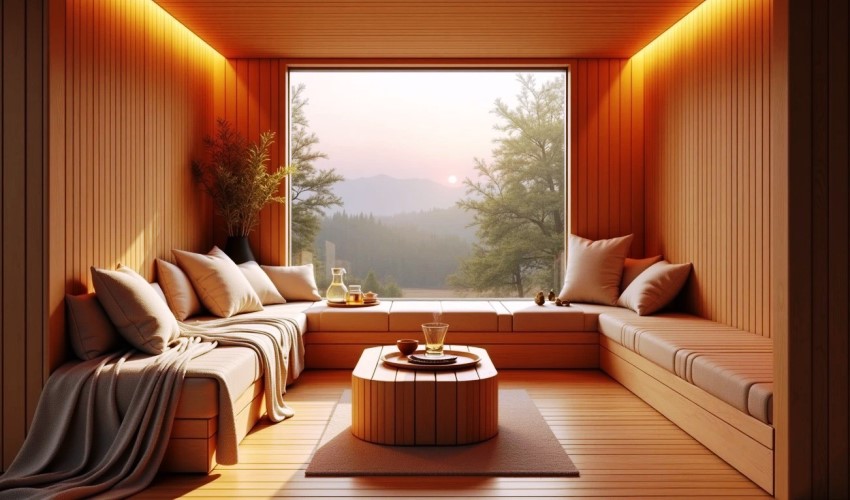
Banya, sauna, hammam, ofuro—different cultures around the world have their own unique traditions for visiting steam rooms. Each, be it the Russian banya, Finnish sauna, Turkish hammam, or Japanese ofuro, has its own unique characteristics in terms of temperature, steam delivery method, and even architectural design. But despite these differences, the main goal is the same: deep cleansing of the body and restoration of vitality.
For example, the Russian banya (banya) emphasizes moist steam, achieved by pouring water over hot stones, creating a feeling of softness and allowing the body to warm up gradually. The Finnish sauna, by contrast, is characterized by dry, very hot air, stimulating intense sweating. The hammam, a Turkish bath, offers something in between—moist steam, but at a more moderate temperature, and often includes rituals with soap and keso exfoliation. And the ofuro (a Japanese bathhouse) is a wooden tub filled with hot water, where not only warming the body but also relaxing the mind is important.
It's important to understand that choosing a steam room is a matter of personal preference and health. Different temperatures have different effects on the body: some people feel comfortable in the heat, while others prefer to relax in milder conditions. Regular visits to a steam room, regardless of its type, improve blood circulation, relieve muscle tension, and boost the immune system overall—it's like a reboot for the entire body after a stressful week. Essentially, this is an ancient practice that remains relevant today for maintaining physical and mental health.
Russian bathhouse
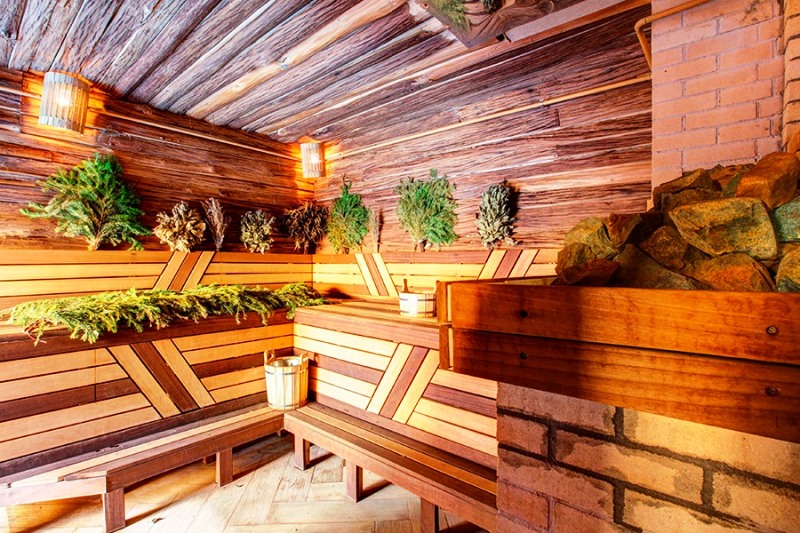
In Russian culture, the banya is more than just a place to wash; it's an entire tradition closely linked to socializing and maintaining health. Imagine: it's a hot day, and you go to the banya—it's no longer just a hygienic procedure, but an opportunity to relax your body and soul, and to socialize with friends or family. A classic Russian banya is characterized by moist steam, with the temperature typically ranging from 60–70°C, and the humidity ranging from 50–70°C. This combination creates a unique microclimate beneficial for the respiratory tract and circulation.
A must-have accessory of the Russian banya is the venik (broom). It's used for a reason: it's used for massage, which improves blood flow, helps remove toxins, and relaxes muscles. The steam bath is a key element in alternating heat and cooling. After a hot steam bath, the body is doused with cold water or, if possible, immersed in an ice hole. This contrast strengthens the body, boosts the immune system, and invigorates.
Historically, the banya played a much more significant role in people's lives. Entire rituals were held there, such as preparing a bride for her wedding, symbolizing purification and renewal before a new stage in life. The banya was also used for medicinal purposes: steaming helped alleviate the symptoms of various illnesses and speed recovery. In ancient times, it was believed that the banya could expel not only dirt but also ailments, and this belief was passed down from generation to generation. Essentially, the banya is more than just a steam room; it is a part of the Russian soul, a reflection of our desire for health, cleanliness, and community.
Finnish sauna
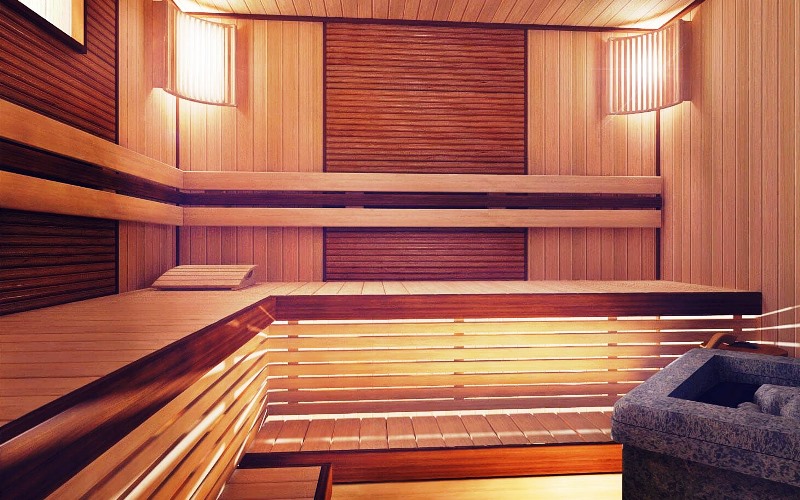
In Finland, the sauna is more than just a bathhouse; it's arguably a true national symbol, an integral part of culture and way of life. It's so important that many Finns have one right in their homes, whether a lakeside cottage or a city apartment. And perhaps the first thing that strikes you is the temperature. It's significantly higher than in a traditional Russian banya, typically hovering around 80–100°C. Meanwhile, humidity is kept very low—just 10–201°C.
This combination creates a sensation of dry, scalding heat, which the Finns believe is much more effective at detoxifying the body. Unlike the Russian banya, Finnish saunas don't use whisks. Instead, steam is created very carefully: a small amount of water, literally a handful, is poured onto hot stones, causing only a brief increase in humidity. The key is control, so as not to overdo it and make the steam too humid.
But the most interesting, and perhaps key, difference is the contrast. After an intense warm-up in the sauna, Finns immediately plunge into the icy water of a lake or, in winter, into the snow. This drastic temperature change isn't just a fun activity, but an essential part of the ritual. It's believed to stimulate circulation, strengthen the immune system, and instill a feeling of incredible vitality. It's like a reboot for the entire body.
Finns believe that a sauna offers not only physical but also spiritual cleansing. It's a place where you can be alone, unwind from the hustle and bustle of life, and clear your head. Essentially, it's a form of meditation in a warm environment, allowing you to relax and feel renewed. This is why the sauna is so deeply ingrained in Finnish culture and such an important element of their national identity.
Turkish hammam
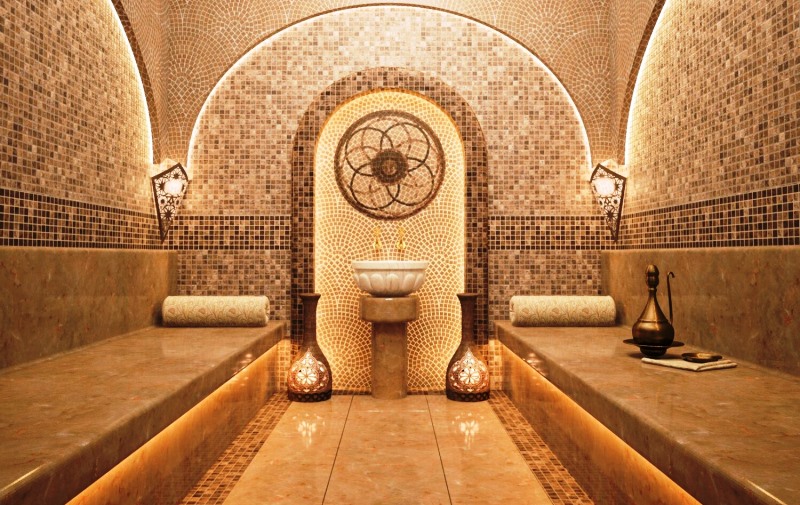
A hammam is a special place, a kind of soft, humid steam room, where the temperature typically fluctuates between 40–50°C and the humidity approaches 100%. Unlike a sauna, the steam here doesn't burn, but feels light and warm, as if enveloping you in a cloud. This creates a very comfortable atmosphere for relaxation. Traditionally, a hammam visit is a ritual, including a soap massage to exfoliate dead skin cells, exfoliation using special kesseh gloves, and, often, body wraps.
It's important to understand that a hammam is more than just a steam bath. The emphasis here is on deep relaxation and skin care. This is why time in the hammam passes slowly, allowing the body and mind to unwind from the hustle and bustle of everyday life. Marble walls, subdued lighting, and a quiet atmosphere create a sense of peace and tranquility—like an oasis in a bustling city. This environment promotes not only physical but also emotional restoration. Regular hammam visits can have a positive effect on the skin, improve circulation, and even help relieve muscle tension, which is especially important for those with an active lifestyle or experiencing stress. Ultimately, a hammam is not just a treatment, but an entire philosophy of self-care.
Japanese ofuro and sento
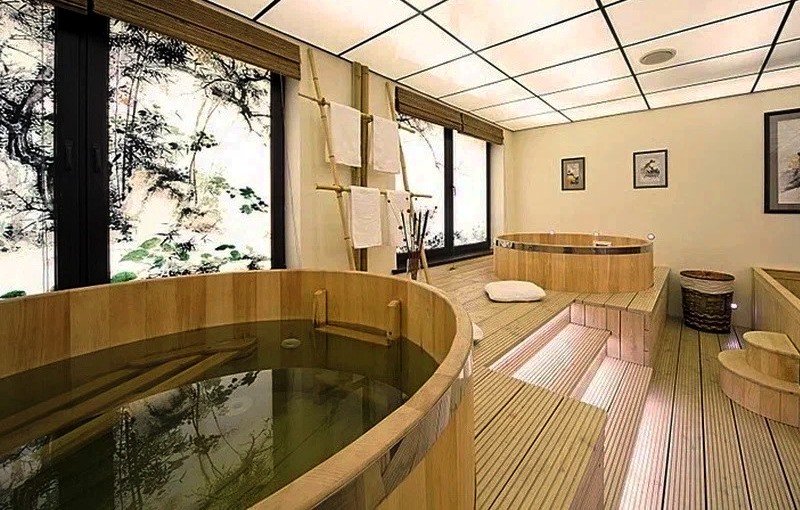
In Japan, a traditional date or simply a moment of relaxation is often replaced by a visit to a hot bath—ofuro, for a home bath, or sento, for a public bath. The water temperature typically ranges from 40 to 50 degrees Celsius, which can certainly seem a bit hot to those unfamiliar with the experience. But bathing in Japan is more than just a hygienic procedure; it's an entire philosophy aimed at achieving peace and harmony.
This typically occurs in several stages. First, wash and rinse thoroughly in the shower to remove dirt and sweat. Only then can you immerse yourself in hot water. It's important to understand that this isn't just a muscle relaxant; it also improves circulation, relieves tension, and even eases joint pain—many Japanese consider hot baths an excellent way to maintain health. After immersing yourself in the water, you should rest, for example, on a special shelf or bench, to allow your body to fully relax and regenerate.
Ofuro and sento are more than just places to wash; they're an important part of Japanese culture, where people can escape the daily grind, socialize with friends, or simply find some alone time. They're like a recharge for the soul and body, a chance to return to their daily routines refreshed and energized. And, importantly, they're an accessible and popular way to relieve stress, which is especially relevant in today's world.
Korean jjimjilbang
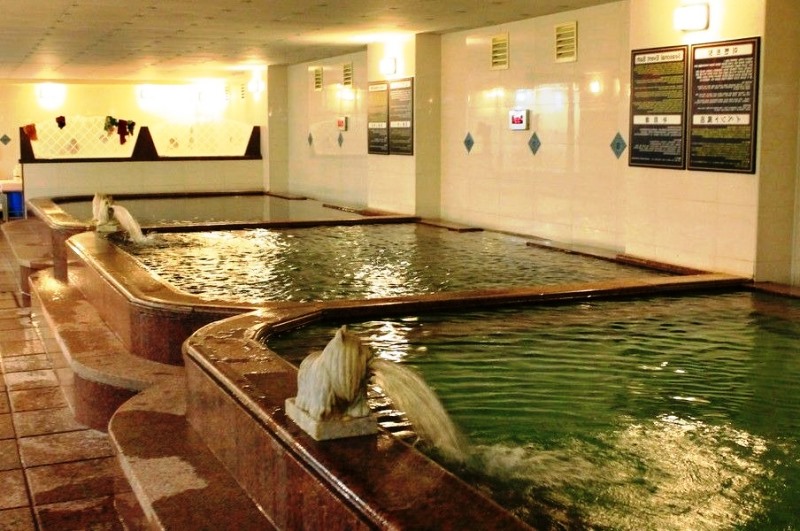
Multi-story recreation complexes, often called "bath complexes" or "jimjilbangs," are common in Korea. These aren't just bathhouses, but entire recreational and wellness centers where you can spend practically the entire day. Imagine: steam rooms, swimming pools, relaxation areas, and a café—all under one roof. The perfect place to unwind after a busy day or simply enjoy a good time with friends.
A unique feature of these complexes is their variety of temperature settings. You can choose a soft, warm room for relaxation, or if you prefer a more intense warmth, there are hot stoves where the temperature can reach 100°C. Different temperatures are important for different purposes: a gentle warmth helps relieve muscle tension, while a higher temperature promotes deep cleansing of the body and improves circulation.
Jimjilbangs typically feature separate areas for men and women, as well as common relaxation areas. Many rooms feature heated floors, adding to the comfort. It's a truly unique experience, offering a glimpse into the Korean culture of relaxation and wellness. These complexes have become popular because they offer an affordable and convenient way to relax and recharge, a particularly valuable resource in today's fast-paced world.
Roman Baths
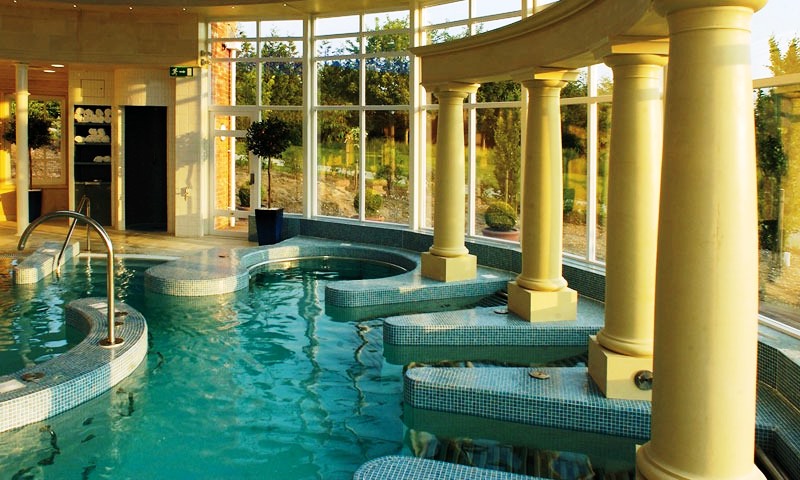
The ancient Romans viewed the bathhouse not simply as a place to wash, but as a true center of social life. Thermae, or Roman baths, were much more than we might think of today's swimming pools or saunas. They were complex complexes, comprising several rooms, each with its own function. For example, the frigidarium—a room with cold water—served as a refreshment and conditioning after hot procedures. The tepidarium, a room with warm water, helped the body gradually adapt to temperature changes. And the caldarium, a room with hot water, was designed to relax muscles and relieve tension—something like a modern sauna or steam room.
A visit to the baths was a ritual, lasting several hours. It wasn't just a way to maintain hygiene, although that was certainly important in the ancient world. The Romans used the baths for sports—they had areas for games and exercise. They were a place for socializing, where they could meet friends, discuss news, and conclude deals. And, of course, they were a place for rest and relaxation, where one could simply unwind and take a break from everyday worries. Essentially, the baths were a kind of social club, bringing together people from different walks of life. This is why they played such an important role in Roman culture and were an integral part of everyday life. Understanding this role helps us better understand the structure and significance of Roman society as a whole.
Similarities and differences
Every culture around the world, be it Russia, Turkey, or Finland, has something like a banya—a place where people cleanse the body, relax, take care of their health, and simply socialize. It's a universal need, rooted in ancient times. While all banyas share common functions, the methods used vary greatly depending on the climate and local customs. In cold climates, such as Russia or Scandinavia, hot and humid steam rooms are popular, where the high temperature and humidity help the body quickly warm up and flush out toxins. In warmer regions, such as the Mediterranean, a gentler, more prolonged heating method is preferred, as in a Turkish hammam, where the emphasis is on the gentle steam and relaxation.
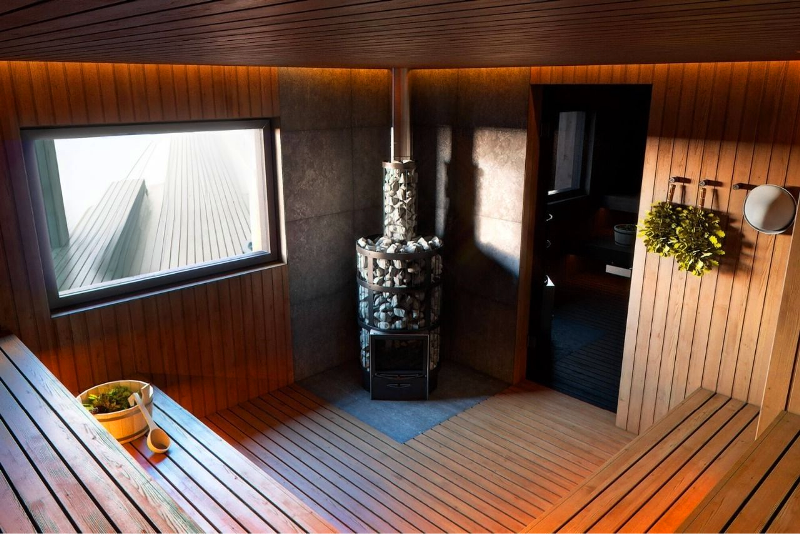
Interestingly, in recent years we've seen a trend toward blending these traditions. It's becoming increasingly common to find complexes that combine a Russian banya, a Finnish sauna, and a hammam. This opens up incredible opportunities for experimentation—you can try different approaches to cleansing and relaxation, discovering what works best for you. After all, choosing a banya is essentially choosing a way to take care of yourself, a ritual of sorts that helps restore strength and improve well-being. This flexibility allows you to find the perfect option, taking into account your individual preferences and health status. It's no longer just a visit to the banya, but a conscious choice for harmony and well-being.
This article was partially compiled from materials from the website ohtinskiy.ru – bathhouse rentals and ritual traditions
Publication date: April 20, 2022