









Modern environmental research is more than just laboratory analysis and statistical reports. It's a comprehensive approach to environmental monitoring, developing measures to protect it, and ensuring businesses' compliance with environmental standards. With industrial growth and urbanization, the role of environmental monitoring is becoming especially important.
The Importance of Environmental Research
Maintaining a clean environment requires constant monitoring of water, air, soil quality, noise, and vibration levels. This is carried out by specialized centers staffed by experts with extensive knowledge of ecology, chemistry, physics, and engineering.
Key areas of environmental research
Modern environmental centers conduct various types of research and analysis. Let's look at the main ones.
Laboratory research
Environmental laboratories conduct a wide range of analyses, including:
- Water testing: drinking, wastewater, and natural water. The presence of heavy metals, petroleum products, microorganisms, and organic compounds is determined.
- Air and atmospheric emissions analysis: monitoring concentrations of harmful substances, assessing compliance with sanitary standards.
- Soil examination: determination of chemical element content, testing for contamination.
- Measurement of physical factors: noise, vibration, electromagnetic radiation, background radiation.
Such studies help to assess the state of the environment and take measures to minimize the harmful impact of industrial enterprises and urban agglomerations.
Environmental documentation
For businesses in various industries, it's important not only to comply with environmental requirements but also to properly prepare documents confirming their compliance. Environmental centers assist with preparation:
- Statistical reporting on emissions and waste.
- Projects of standards for maximum permissible emissions (MPE) and discharges (MPD).
- Waste passports and documentation on their disposal.
- Calculations and reports on environmental fees.
Properly completed documents not only avoid fines but also help optimize environmental protection costs.
Evaluation of the efficiency of gas cleaning plants
In the face of increasing environmental controls, businesses are striving to minimize pollutant emissions. Gas cleaning systems are becoming a key solution. Environmental control specialists audit them, assessing:
- The level of filtration and capture of harmful particles.
- Efficiency of equipment operation in various modes.
- Compliance with maximum permissible emission standards.
Based on the results of such inspections, recommendations are developed for upgrading or replacing installations, which allows companies to reduce their environmental impact and comply with environmental standards.
Environmental Research Centers: How Do They Work?
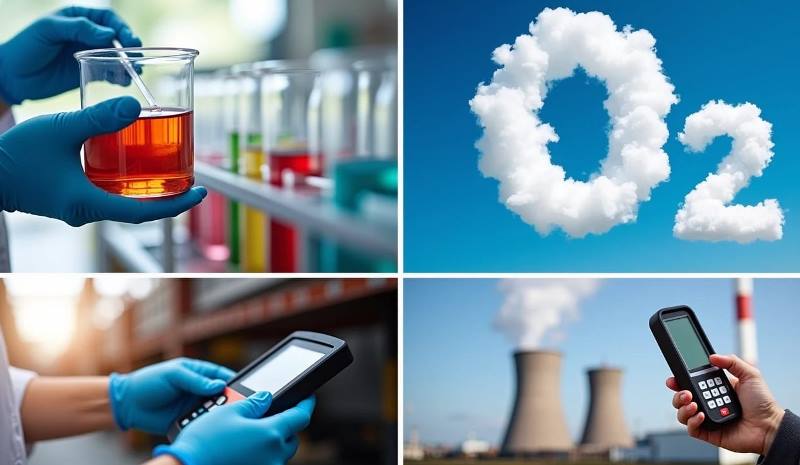
Environmental centers perform a wide range of tasks, from sampling to developing environmental protection strategies. They are equipped with:
- Modern laboratories with high-precision instruments.
- Specialized mobile complexes for rapid sampling and analysis on-site.
- A team of experts who not only conduct research but also advise businesses on environmental issues.
One such center, which provides a full range of services, is the Environmental Research Center in Moscow. It helps companies conduct environmental monitoring, prepare documentation, and develop measures to reduce their negative environmental impact.
Why do businesses collaborate with environmental centers?
Collaboration with environmental professionals allows businesses to:
- Minimize the risk of fines and sanctions for violating environmental regulations.
- To improve the environmental safety of production.
- Optimize costs for environmental protection measures.
- Improve the company's image by demonstrating environmental responsibility.
In the context of tightening environmental legislation, working with experts is becoming not just desirable, but a necessary measure.
The Future of Environmental Monitoring
Environmental research technologies are advancing rapidly. The use of artificial intelligence, automated monitoring systems, and new analytical methods allows for more accurate and efficient environmental monitoring. The following can be expected in the future:
- Implementation of unmanned systems for emission monitoring.
- Development of biotechnology for cleaning up contaminated areas.
- Improving waste disposal methods.
Companies that are already implementing advanced approaches to environmental management are gaining competitive advantages and reducing their environmental impact.
Conclusion
Environmental research is a vital part of a modern sustainable development strategy. It enables environmental monitoring, the development of effective conservation measures, and the assurance of business compliance with environmental requirements. Consulting with specialized centers helps businesses not only comply with legal regulations but also contribute to preserving the environment for future generations.