








Created in 2011 by former Google employee Charles Lee, Litecoin was conceived as an alternative to Bitcoin, with its high transaction fees and processing times, as a more technologically advanced, faster, and less expensive cryptocurrency.
According to analysts, Litecoin has played, and continues to play, the role of a pioneer in implementation the latest technologies among cryptocurrencies.
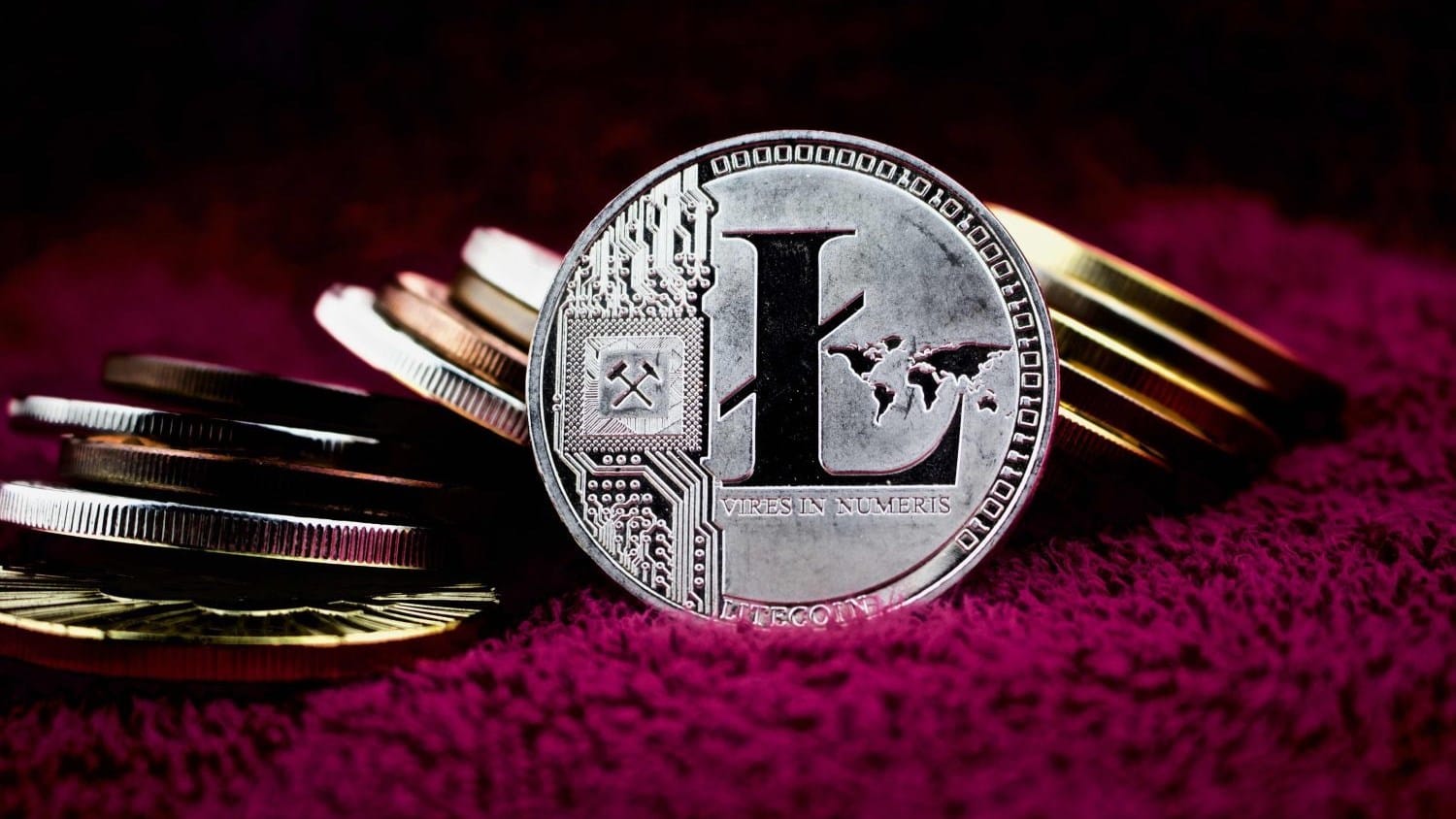
Litecoin is updating more quickly, responding to the challenges posed by the passage of time for cryptocurrencies. Bitcoin, on the other hand, is much slower to address its ecosystem's problems, leading to difficulties with transaction delays, high fees, and other technological issues. This is believed to be due to Litecoin's centralized leadership, Charles Lee, who centrally determines the cryptocurrency's development. Bitcoin lacks a single centralized leadership, so the technologies needed to address these issues are activated late.
However, according to one opinion, Lee, who, by the way, has the nickname "Satoshi Li", has no ambitions for primacy, but positions Litecoin as "digital silver", if we consider Bitcoin "digital gold".
Returning to Litecoin's technologically advanced role, it's appropriate to cite the example of the first activation of the SegWit system. Litecoin was also the first to activate the Lightning Network, a system that allows for a virtually unlimited number of transactions per second.
On September 21, 2017, the first Atomic swap of Litecoin to Bitcoin took place - an exchange of cryptocurrency outside of any exchange, the system allows you to exchange currencies even if they are on different blockchains without an intermediary and commission fees. This is most likely means the path to some decentralized exchanges.
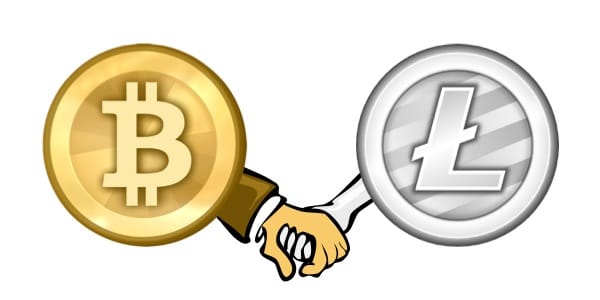
Because Litecoin is fork Since Bitcoin was identical at the very beginning, all technologies launched and tested by Litecoin are suitable and will be more easily implemented in Bitcoin. In a global sense, Litecoin is a "technological tester" for its "parent.".
It's advanced technology, not just the speed and low cost of transactions, that gives Litecoin an edge over the rest. forks and other cryptocurrencies.
However, the requirements for its update are much higher than Bitcoin, because it is the one that represents cryptoeconomics, enjoys trust and popularity, and once it resolves its technological issues, Litecoin will be deprecated as unnecessary. Furthermore, with the recent rise of new cryptocurrencies, who else can compete with technologically and in what ways? technical challenges Litecoin remains to be seen.
From an investment perspective, this cryptocurrency is growing faster than Bitcoin, but it hasn't achieved the same popularity or widespread adoption. Litecoin is quite popular, but There are few places that accept it as payment, few places where you can buy it, and few businesses use it in their operations. Since Bitcoin is a symbol of payment mechanisms cryptoeconomics, and is subject to news background, then Litecoin is more stable.
Experts recommend this cryptocurrency both from the point of view of investment attractiveness and from the point of view of transaction mechanics, that is, the transfer of values within cryptoeconomics.