








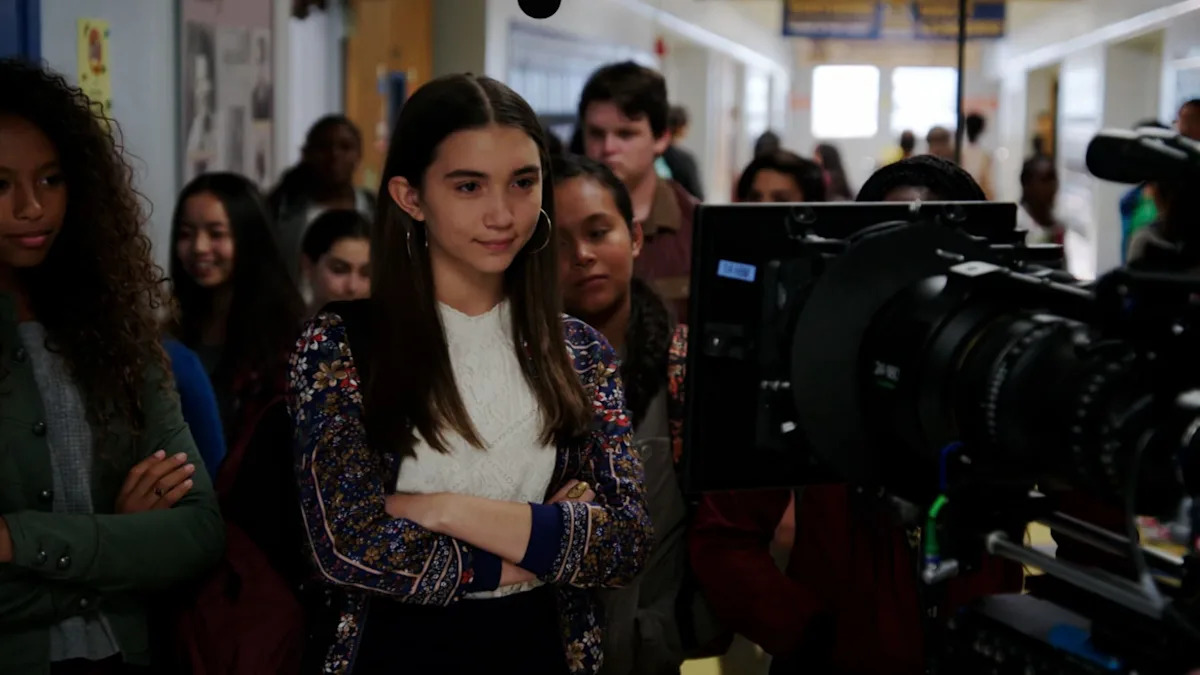
Generation Z, often referred to as "zoomers," includes people born between 1997 and 2012 who grew up fully immersed in digital technology and social media. This demographic has influenced the way films and television shows are made, with movies now reflecting their unique experiences, values, and challenges. Unlike previous generations, where high school movies often relied on rigid cliques like nerds, jocks, cheerleaders, and emo teens, Generation Z characters blend traits, interests, and personalities, emphasizing inclusivity and openness. Series like Euphoria are a prime example of this trend, featuring a diverse cast that challenges traditional norms and showcases authentic storytelling. These films emphasize character development over superficial labels, portraying young people as multifaceted individuals who navigate issues of identity, relationships, and social pressures in a way that feels modern and relatable. Furthermore, portrayals of women have evolved significantly, moving beyond the limited roles of lovebirds or helpless damsels to become complex, powerful figures with autonomy, ambition, and depth. Female directors have also contributed to this shift, providing nuanced and realistic portrayals of young women on screen. Political activism and social awareness are recurring themes in Generation Z narratives, with characters expressing their opinions on issues ranging from climate change to social justice. This reflects the generation's heightened awareness of global issues and their desire to influence society, which is authentically captured on screen, despite the fact that the directors themselves are often older. Anxiety, partly shaped by social media, is another central theme, as constant exposure to carefully curated images of idealized lives impacts both self-perception and interpersonal relationships. Writers and directors often consult with young actors to ensure the accuracy of dialogue, behavior, and social interactions, ensuring that the content resonates with an audience who is an expert in their own life experiences.
Films and television shows for Generation Z differ not only in their themes and characters but also in their incorporation of digital culture into the narrative structure. Social media is often depicted as an integral part of the story, influencing relationships, self-expression, and social approval. The online world exists alongside real-life events, creating a duality that reflects the generation's experience of constant interaction. Furthermore, filmmakers emphasize authenticity, collaborating with young actors to accurately capture contemporary speech patterns, fashion trends, and social behavior. By combining modern storytelling techniques with a deep understanding of technology, these works achieve a level of realism that previous generations of media could not always offer. This approach allows viewers to see themselves represented on-screen and fosters empathy for diverse perspectives. Moreover, the school environment, while still a common setting, is presented in a more flexible and inclusive manner, demonstrating the breakdown of rigid social hierarchies and promoting the acceptance of differences. Ultimately, films about Generation Z do more than simply entertain; They document the changing social landscape, illuminating issues of identity, equality, mental health, and political activism. Focusing on authentic characterization, inclusivity, and the intersection of online and offline worlds, these works offer compelling reflections of the first fully digital generation, ensuring their stories are told with accuracy, empathy, and cultural relevance.