








Almost every driver knows the importance of maintaining tires in good condition, as they are the car's only point of contact with the road. Therefore, frequent inspection is essential to ensure their quality and performance, as well as the safety of the driver and passengers.
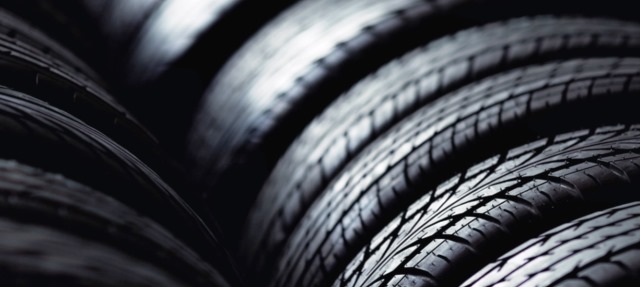
Driving safety depends largely on the tread surface of your tires. The website's tire experts offer several tips to help keep them in optimal condition and ensure the safety of all road users.
1. Pressure
Proper tire pressure helps prevent premature tire wear, which in turn improves safety, extending its lifespan and protecting the environment. Checking your car's tires is a simple task that should be done at least once a month and always before a long trip. Don't forget to check and maintain your spare tire!

Furthermore, this tire inspection should be performed on cold tires, meaning you can drive at low speeds or for less than 4 km before checking. If the tires are hot during the inspection, add 0.3 bar to the manufacturer's recommended tire pressure. It's also advisable to recheck the tire pressure when the tires are cold.
- And what is the recommended pressure?
It is necessary to follow the vehicle or tyre manufacturer's advice, especially regarding the conditions of use (load/speed, etc.).
The correct amount of air for your tires can be found on the side of the front driver's door, on the fuel filler cap or in the glove compartment, or in your vehicle's owner's manual.
To check the pressure in your tires, it is ideal to visit a specialized center where the pressure gauges are properly calibrated.
Another crucial factor for maintaining the correct tire pressure is the fact that low tire pressure increases fuel consumption.
2. Wear and tear
Tire tread depth is crucial for safety, especially in winter. If the tread depth is below the permitted limit, the wheels cannot handle water well, leading to the risk of skidding. This occurs when the tire does not touch the ground and is only in contact with the water, leading to loss of vehicle control. According to current legislation, the minimum tread depth is 1.6 mm. Below this depth, there is no safety feature, and a vehicle with this disadvantage will fail its annual technical inspection.
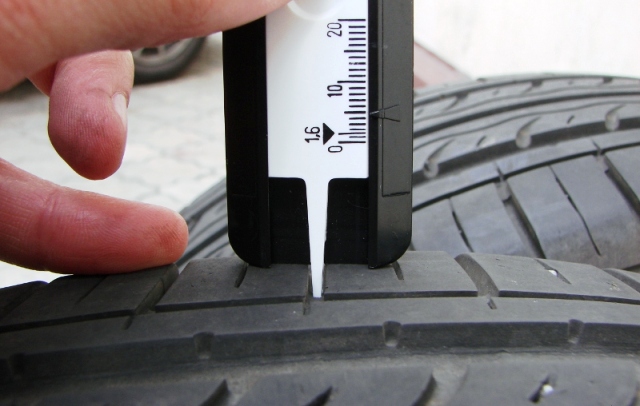
To check the wear on your car's tires, it's best to check their depth. Otherwise, there are marks on the tires that can help you see how worn they are. If a tire reaches this limit, it's time to replace it and buy new wheels. Some tires have a tread wear indicator on the outside. Other tires have a tread wear indicator. In any case, if you're unsure about your tires, you should visit a tire shop to check this information and get recommendations for replacement.
4. Balancing
Hitting the sidewalk or any other obstacle (uneven asphalt, etc.) can affect proper tire balance and, in turn, vehicle handling. Therefore, it's recommended to have your tires checked regularly at a workshop to ensure safety, improve vehicle handling, protect your tires, and reduce fuel consumption.
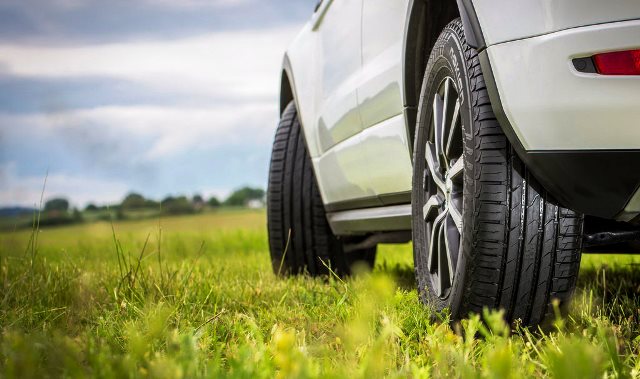
Wheel balancing and camber, as we know, involve aligning the axles and wheels on each axle parallel. In addition to adjusting the various wheel angles, it's important to adhere to the values specified by the vehicle manufacturer.
To easily determine if there is a problem with camber, visually inspect the tread from the outside and inside, assessing the degree of wear.
4. Valves
Experts recommend replacing the valves every time you need to change your tires. They're crucial for maintaining tire airtightness.
The valves are subject to high pressure and will gradually wear out under the forces generated by the rotating wheel.
It is also worth remembering about the valve caps, as they protect against dust and dirt, and thus will help extend the life of the tire.