








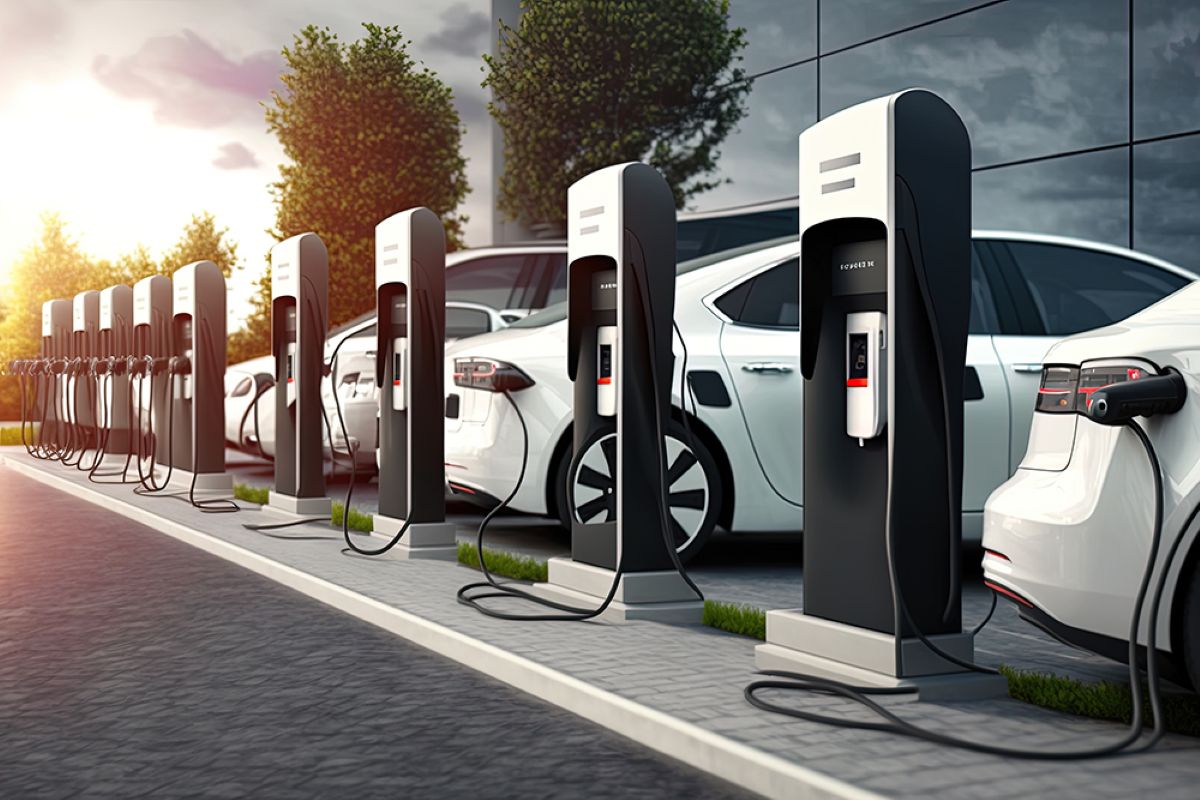
Your electric car's clear conscience hides a dirty secret buried in salt flats thousands of miles away. While you enjoy silent acceleration and zero tailpipe emissions, the batteries that power that smooth ride depend on resource extraction economies that are reshaping entire ecosystems. Minerals needed for electric vehicle batteries - lithium , cobalt , nickel — don't appear out of nowhere. They're mined from the ground in places you'll likely never visit, and that impacts communities that will never own the cars they help power.
An insatiable thirst for new mines
The scale of demand for mineral resources is difficult to comprehend.
The figures reveal a staggering reality. Industry forecasts indicate that the transition to electric vehicles requires construction hundreds of new deposits of lithium, nickel and cobalt worldwide. It's like rebuilding vast tracts of global mining infrastructure, only over two decades instead of two centuries. Your decision to abandon gasoline directly fuels this explosive growth in demand.
Some dig, some drive
Geographic data reveals uncomfortable truths about who bears the burden of environmental impacts.
This is where the distribution problem arises. Most of the lithium is located beneath the salt flats of Chile, Argentina, and Bolivia—regions where water shortages already threaten indigenous communities. Yet, the electric vehicles that consume this "white gold" are primarily recharging on driveways in California and in Norwegian parking lots. Oxfam argues that this transition is being hijacked by "super-rich polluters," replicating colonial mining models that enrich developed countries and leave behind environmental damage.
This process is more similar to water extraction than traditional mining. According to research from the APM Research Lab and Columbia University, lithium brine extraction can consume hundreds of millions of gallons per year . Local farmers are watching ancient water sources disappear—this time not from your gas tank, but from your car battery.
The circular solution that no one talks about
Waste recycling infrastructure lags behind the technologies that make it possible.
Battery recycling could significantly reduce the burden on mining. RMI research shows that a circular economy of batteries—through recycling, reuse, and improved chemistry—could dramatically reduce reliance on newly mined materials. The technology exists, but the infrastructure is lacking. Despite the potential to recover significant amounts of lithium from existing devices, existing recycling programs remain limited.
The choice no longer boils down to clean or dirty energy. It boils down to different types of environmental harm, distributed across different communities. Electric vehicles still outperform gasoline-powered cars in terms of lifecycle emissions, but the pretense of flawless supply chains ignores the real people who bear the environmental costs.
Improved management, recycling infrastructure, and waste management controls can make this transition truly sustainable. Until then, your Tesla's environmental impact extends far beyond the charging station.
From the coolest cars to must-have gadgets, GadgetReview's daily newsletter keeps you up to date. Subscribe—it's fun, fast, and free.