






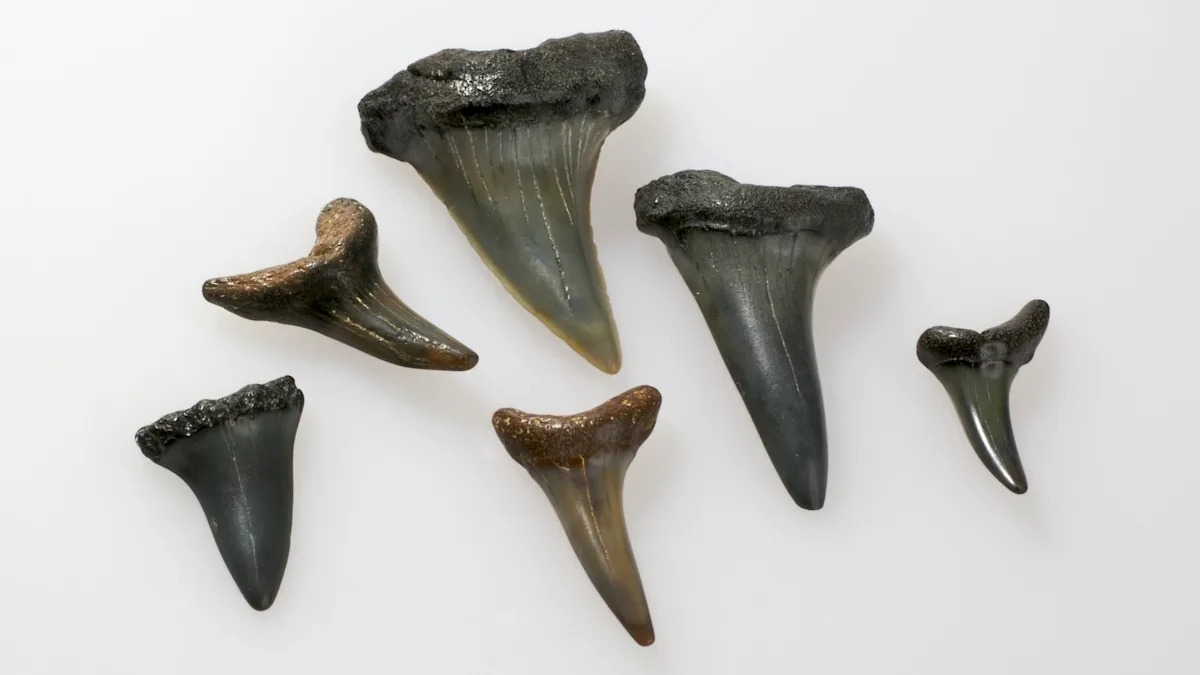
A shark tooth stuck in a whale's skull for about 5 million years is giving scientists a startling glimpse into what the North Sea once looked like, and perhaps even a glimpse of its future.
As Forbes detailed, the fossil, discovered in the bustling Belgian port of Antwerp, suggests that the region was once much richer in predators than it is today.
What's happening?
In a new study, scientists have focused on two remarkable whale fossils from the early Pliocene, a period roughly 4 to 5 million years ago, finding fragments of shark teeth in the bones.
One of the skulls belonged to an extinct species of right whale called Balaenella brachyrhynus. Using micro-CT scanning, scientists discovered that the tooth belonged to a bluntnose sixgill shark, which still exists today, Forbes reports.
Forbes noted that the second skull, belonging to Casatia thermophila, a relative of the modern beluga whale, appeared to bear evidence of an active attack by a shark—an extinct mako related to the modern great white shark.
These fossils indicate that the ancient North Sea was once home to small whales, dolphins, seals and large predatory sharks.
Why is this important?
The region is changing again under pressure from human-induced warming, overfishing, pollution and habitat damage.
«"If you want to learn about how animals and other organisms might respond to the kind of climate change that's happening on our planet now, you need evidence of how animals responded to similar changes in the past," the researchers wrote on The Conversation.
The bite itself happened a long time ago, but any return of such predator-rich food chains may be partly due to human activities that are now changing the face of the oceans.
As Forbes noted, the researchers suggested that if warmer waters allow dolphin or seal populations to increase, larger predators could populate areas they haven't occupied for millions of years.
The increase in top predator populations isn't bad news in itself and may even indicate a recovery in the food chain. However, it also reflects how dramatically the marine environment is changing.
What do people say?
Rising ocean temperatures are already changing the habitats and feeding grounds of marine animals. In their article on The Conversation, researchers cited changes in seal and porpoise populations. This study shows that even before humans caused these changes, species may have been undergoing radical shifts.
The researchers said the fossils provide "direct evidence that relatives of modern sharks fed on these whales," according to The Conversation, calling them "clear examples of such behavior.".
They added that when prey communities changed during past climate change, the sharks that depended on them also disappeared, Forbes reports.
Scientists say the future is uncertain. Warming seas could restore old ecological relationships, or modern anthropogenic impacts could push marine systems in entirely new directions.
«"Fossilized traces of the behavior of extinct whales and sharks highlight the shifting ecology of the North Sea," the researchers concluded in an interview with The Conversation.
Subscribe to TCD's free newsletters to receive helpful tips, actionable advice, and a chance to win $5,000 toward your home improvement. To see more stories like this, change your Google preferences here.