








We're rumor lovers, and not just us; almost the entire world is overflowing with such information. We'll stick to the idea that we can't verify their veracity, but today we're going to be "mythbusters" and put some legendary misconceptions about food to rest.
We guarantee that after reading this content, you will feel more comfortable, because right now we are eating butter and drinking soda… Just kidding, we are not crazy, but we are relaxed.
1. Drinking too much carbonated drinks can cause a hole in your stomach!
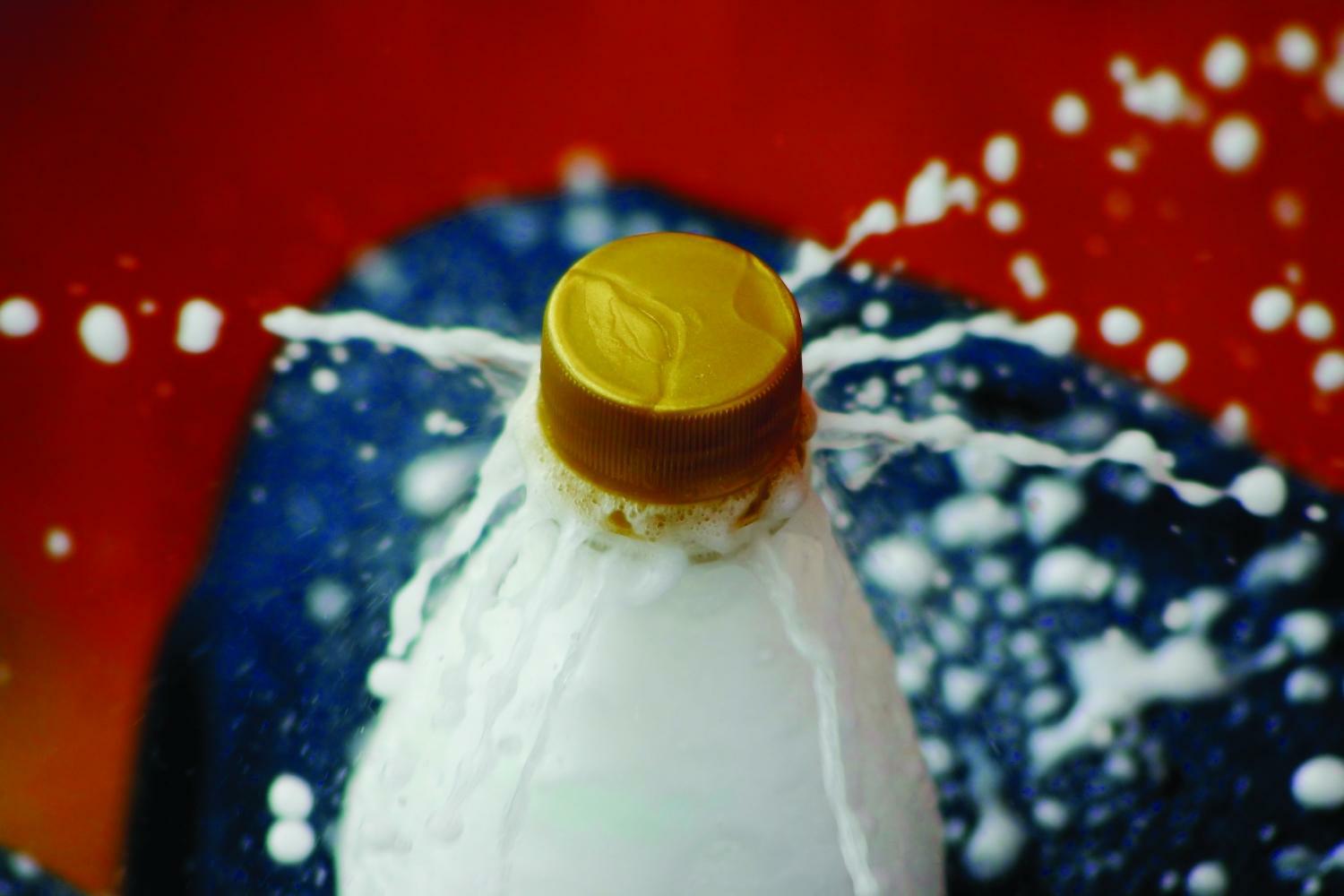
Carbonated drinks contain some citric acid and, in a highly diluted form, phosphoric acid. If you're so afraid of acid, avoid freshly squeezed orange juice, as it's much more acidic. The acid in your stomach is much, much stronger. Another mistake is drinking carbonated drinks to digest food. As we've already discussed, stomach acid is already very strong. Is this left to the acid in carbonated drinks?
2. Drinking ice water immediately after eating is dangerous!
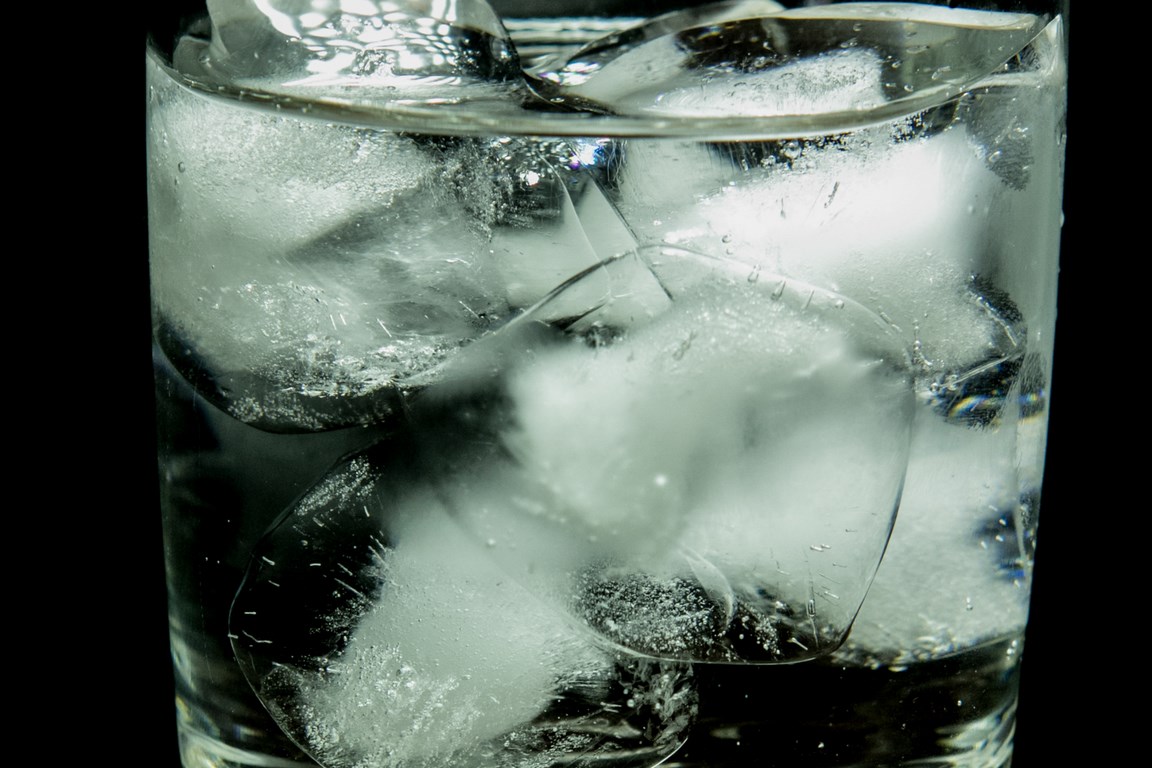
No, that's not true. According to popular belief, if you drink ice water after a meal, all the fat in it will freeze and harden in your intestines, clogging them like a sink. However, my friends, the digestive system doesn't work that way. Your stomach doesn't expel cold things that enter it without warming them up to body temperature, so there's nothing to worry about. If you have digestive issues, you can eat bitter melon and wash it down with a glass of ice water.
3. If you want to eat, it means your body needs it.

It happened! There's no such thing; food cravings are more related to stress than necessity. Hormones play a major role in our food cravings, and they're the ones most susceptible to stress. For example, why doesn't your body crave something you can never find? Who among us has ever had the urge to eat a spicy burrito at 2 a.m.?
4. Lobsters scream when they boil!

No, they're screaming "help." The sound they're making is the sound of gas escaping from under the lobster's shell. Lobsters don't scream.
5. Raw eggs are easier to digest.

This isn't true; on the contrary, it's more difficult. In 1998, scientists conducted a study of egg whites in five adults with reconstructed intestines and found that raw eggs were much more difficult to digest than hard-boiled ones.
6. While dieting, eat foods that burn calories.
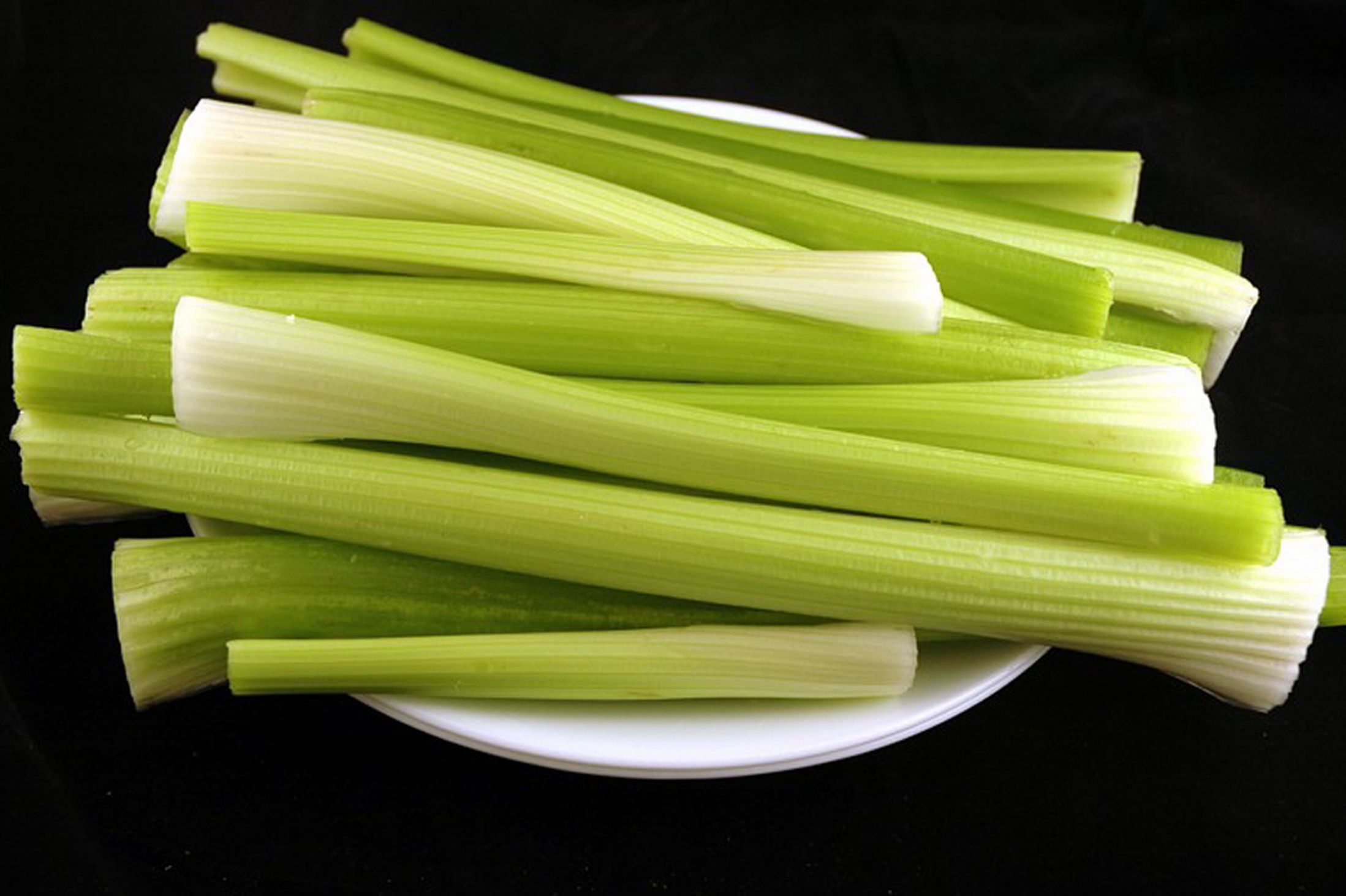
What are these calorie-burning foods, or negative calorie foods? They contain so few calories that the amount burned through eating, chewing, and digesting is significantly higher. So much so that you burn more than you consume... This doesn't happen! Don't fool yourself.
7. Bread becomes stale because it loses water.

On the contrary, bread goes stale because it's exposed to too much moisture. Excess moisture causes the starch in the bread to crystallize, leading to staleness. Freezing bread, however, doesn't prevent it from going stale; in fact, low temperatures accelerate the staling process.
8. Adding a few drops of oil to boiling water will prevent the paste from sticking.
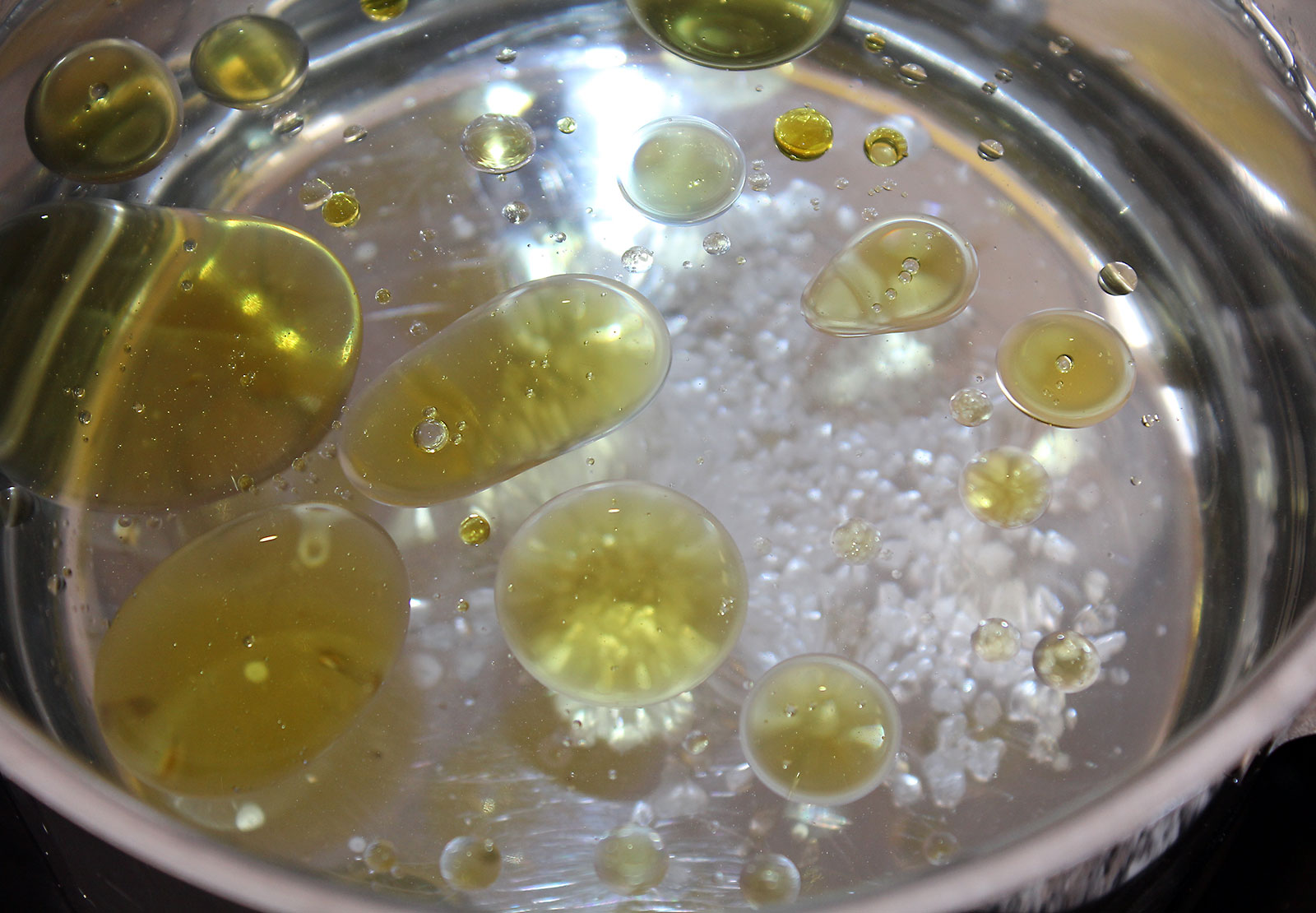
This doesn't prevent them, it just makes them more slippery. The oil you add will float on the surface of the water and have no effect on the paste in it. But when you drain the water, the oil will stick to the paste, making it slippery. If you want a slippery paste, you can add more oil.
9. Fresh herbs are healthier than canned or frozen ones.
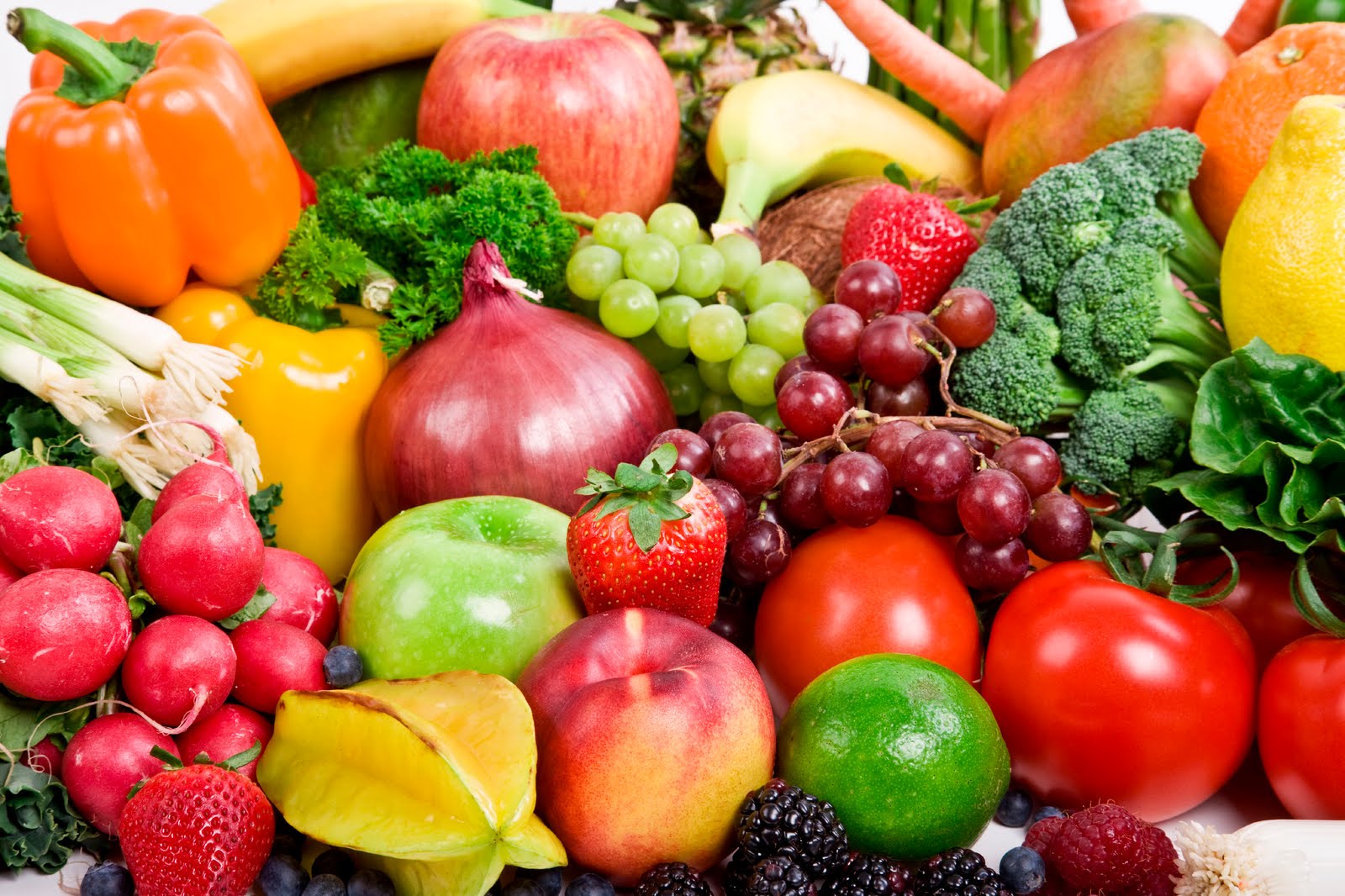
It's impossible to say until you pick fresh herbs from your own garden and consume them immediately. It's undeniable that parsley that has traveled a long way to reach your table is more secretive. Over time, it loses most of its vitamins, minerals, and antioxidants. However, this happens much less frequently with canned or frozen herbs.
10. Brown eggs are healthier and more nutritious.

No, the color of the eggshell has nothing to do with what you said. Nutritionally, they're all the same.
11. Did you oversalt your food? No problem, just add a peeled potato.
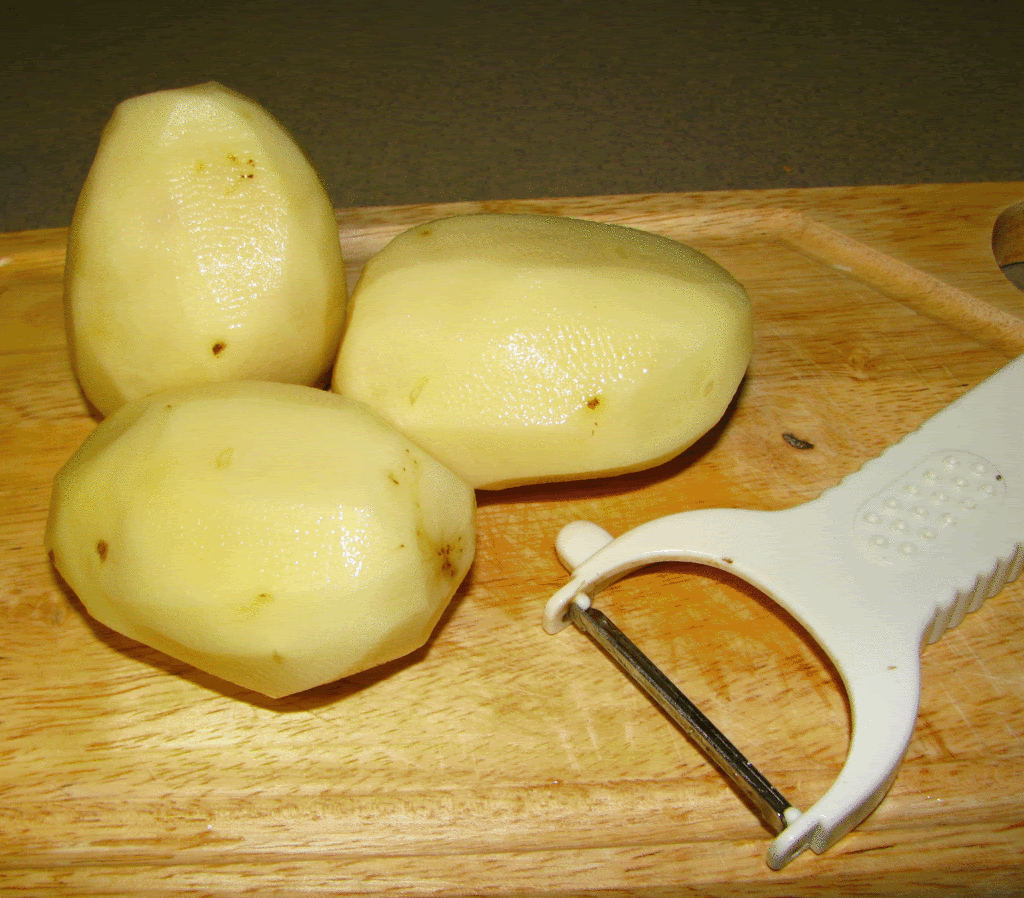
Hey, potatoes don't have the miraculous ability to absorb salt! Potatoes absorb water from the food they're placed in, and if the water is salty, they also absorb salt. But that doesn't mean they leave the water and absorb excess salt. The most effective way to remove excess salt is to add water to your food; anything else is a lie.
12. It is not safe for people with high cholesterol to eat eggs.
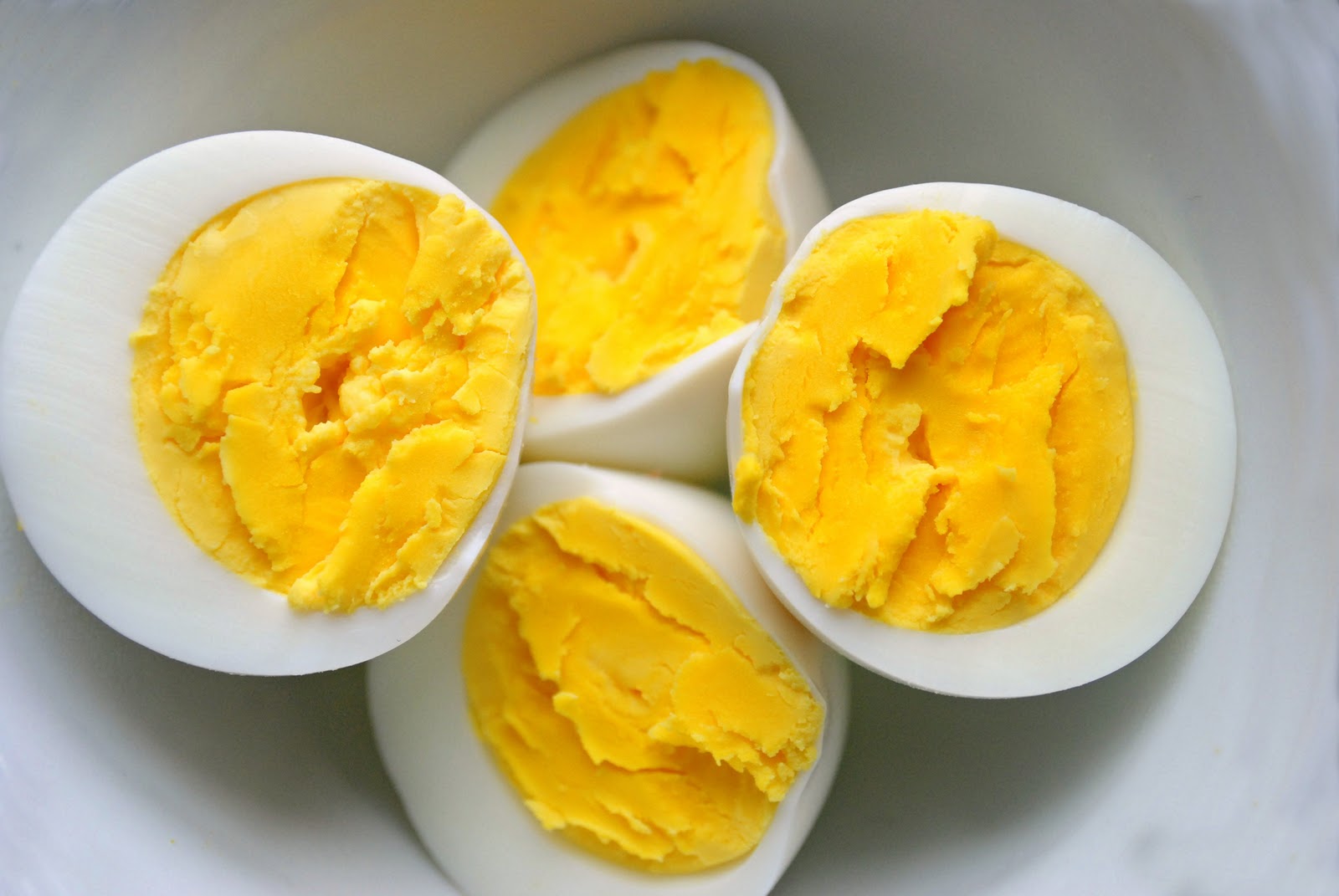
Really? However, research shows the opposite: one egg a day has no effect on cholesterol levels! Even if you have too much cholesterol, your body has mechanisms to balance it, so don't worry.
13. Sharp knives are dangerous, there is a high risk of cutting your hand.
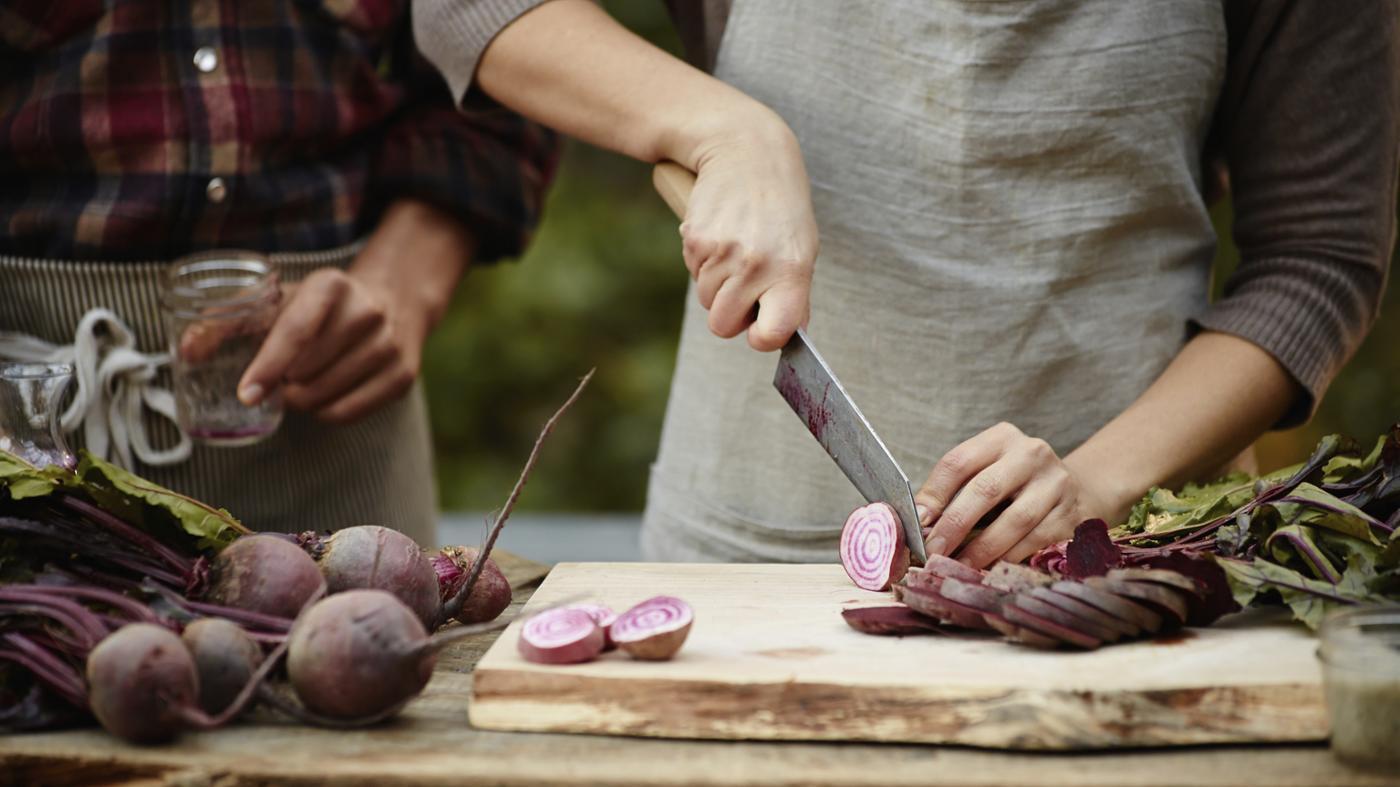
However, the opposite is true. A sharp knife will do the job just fine, unless you're too clumsy. Those that slip here and there, bounce off, and cut your hand are usually dull knives.
14. It is healthier to eat food raw, as cooking destroys enzymes.

Well, will your body break down these enzymes anyway? Even if you eat raw foods, the acids in your body break down their enzymes. The enzymes in plants are necessary for their growth anyway, but they don't provide you with any benefit.
15. The alcohol you add to your food evaporates during cooking.
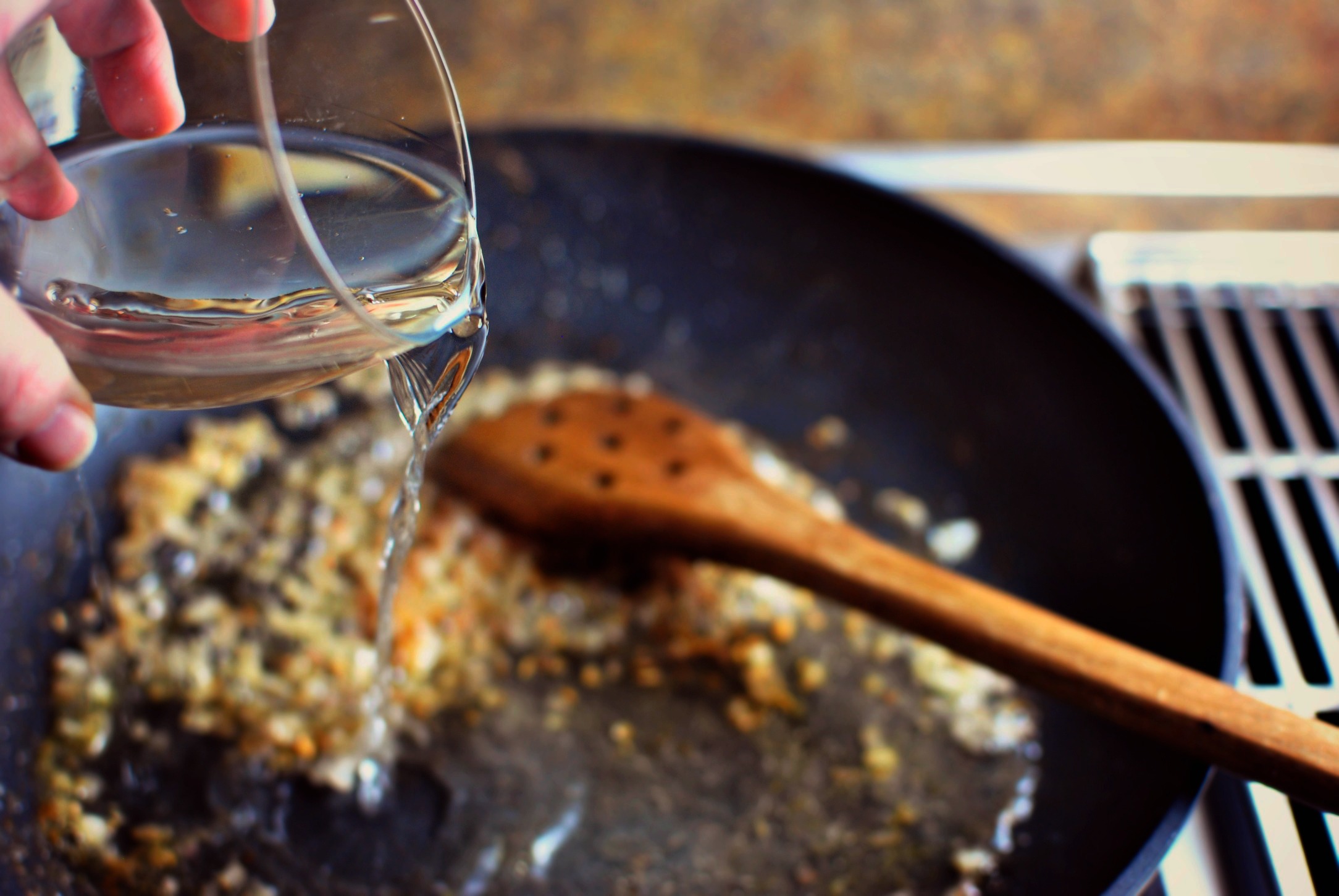
Unfortunately, this isn't the case: 85% of alcohol is still in the pan. If you want to ensure the food is alcohol-free, it needs to be cooked for at least 3 hours.
16. When you heat food in a microwave oven, all the nutrients it contains are destroyed.
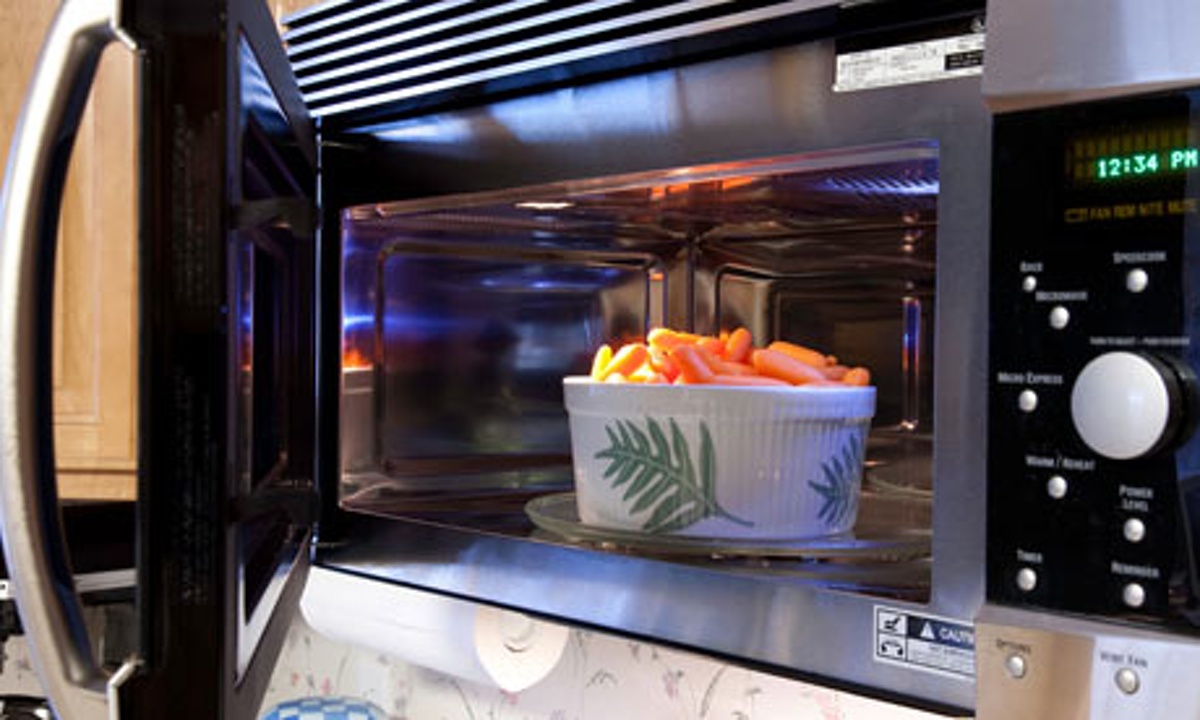
On the contrary, it locks nutrients into the food. Since microwave cooking typically requires less heat and time, it reduces food spoilage.
17. If you want the meat to be juicy, you need to fry it.
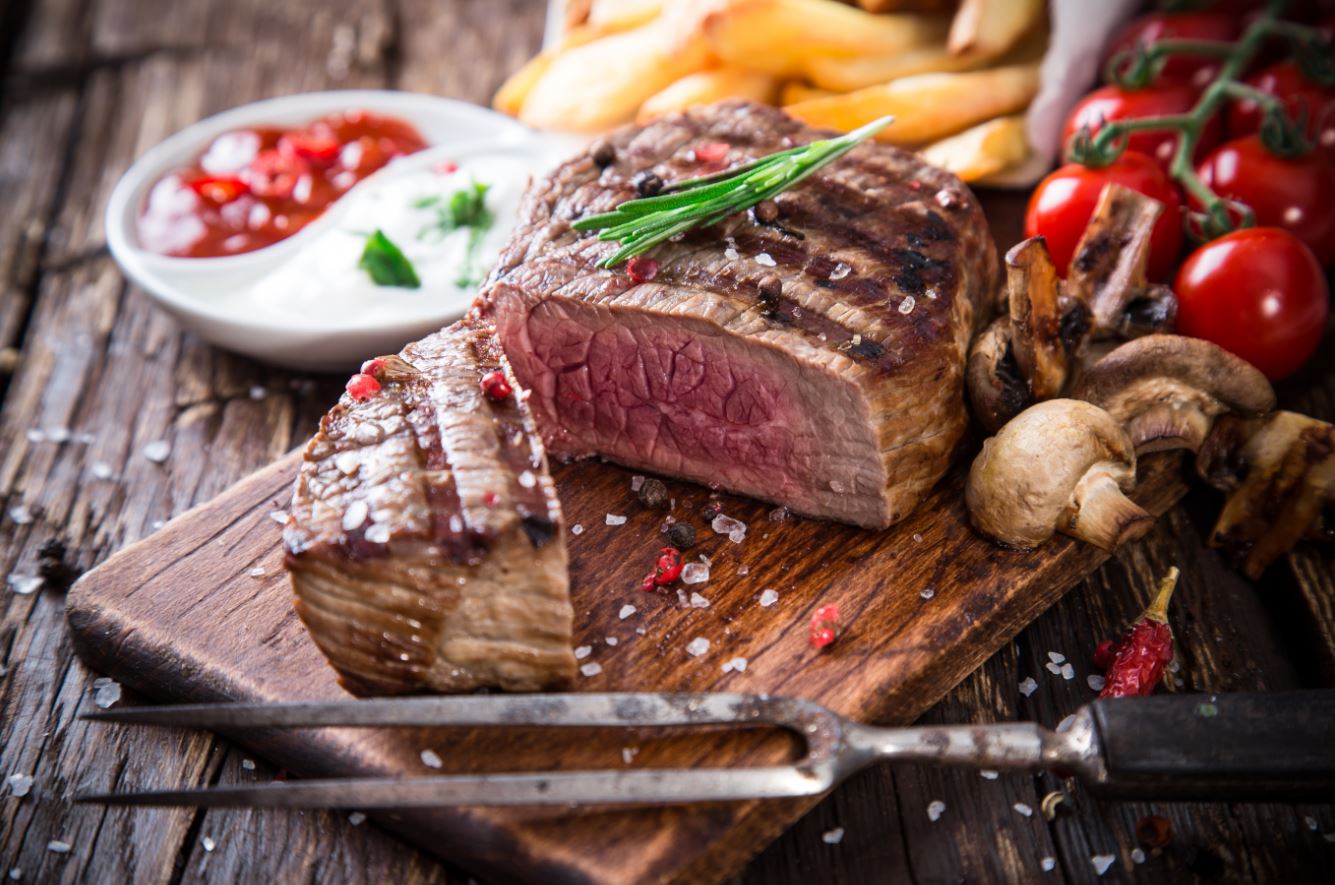
Sealing meat doesn't retain its juices. Searing meat creates a thick crust on the outside, which makes the inside juicier. An experiment conducted by Elton Brown found that meat cooked in sealed packaging contains less water than meat cooked in an open package at the same temperature.