









Five years ago, I became the owner of a 2019 Volkswagen Jetta sedan, assembled in Nizhny Novgorod. Back then, it was a rather controversial purchase: the model wasn't a top seller, and many friends advised me to buy something more popular. But I was drawn to the balance of price and the performance claimed by the German brand. After a considerable amount of time and over 100,000 kilometers on the clock, I'm ready to share my detailed personal experience. This isn't a perfected review, but an honest account of what owners of this car face in real life, in our conditions.
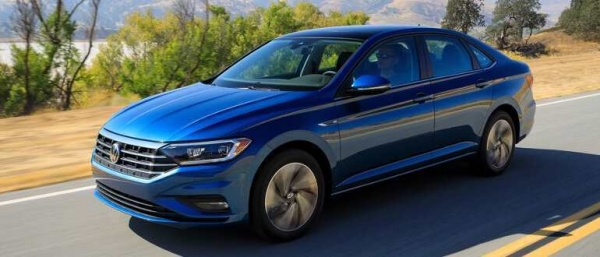
The first thing I'd like to note is the overall reliability of the design. Throughout the entire period, there have been no serious breakdowns that would render the car immobile. The body assembly at the Nizhny Novgorod plant was of a high standard: no squeaks or unusual noises appeared in the cabin, even after several winters. The suspension, despite our roads, holds up well, even though I regularly undergo scheduled maintenance. The main advantage, which I immediately noticed, is the availability of spare parts and the relatively inexpensive maintenance at authorized dealers. Many parts are shared with other models from the concern, making life easier.
The most controversial issue for me was the engine. I have a 1.4-liter turbocharged gasoline engine with 150 horsepower. On the one hand, it's plenty powerful for city driving and overtaking on the highway, and the fuel consumption is truly impressive—around 7.5-8 liters in the combined cycle. On the other hand, this powertrain requires high-quality fuel and regular oil changes. I strictly follow the maintenance schedule—every 15,000 km, sometimes even sooner. After 80,000 km, I had to clean the valve train of carbon deposits, which is typical for such direct-injection engines. Knowing this, I factor the corresponding costs into my maintenance budget.
City and highway driving: pros and cons
The Jetta proved to be very comfortable in city driving. Its compact dimensions make parking easy, and good visibility adds confidence. However, there are some nuances. The automatic transmission, especially in traffic, can sometimes hesitate a bit when starting abruptly. I've gotten used to and learned to operate the accelerator pedal smoothly. On the highway, the car truly shines: excellent directional stability, low cabin noise, and a comfortable cruising speed. Fuel consumption on the highway drops to 5.5-6 liters, which is excellent for me.

The heater and air conditioning deserve special mention. In winter, the interior warms up quickly, even in extreme cold. The dual-zone climate control works flawlessly. However, the standard seat heating system isn't the most powerful; it copes well in extreme cold, but I'd like more intense warmth. As for summer, the air conditioning works perfectly, even in 90-degree heat. I've made several long trips to the south, and the interior comfort was excellent.
- Handling: Steering response is clear and predictable, the car responds well.
- Brakes: effective, even after a long descent down the mountain there were no signs of overheating.
- Soundproofing: at a high level, conversations in the cabin are conducted in a whisper even at speed.
- Light: The standard LED daytime running lights are bright, but the low beam in the basic configuration is halogen, which is a minus.
- Mirrors: heated and foldable, which is very convenient in winter and in tight spaces.
What's inside: practicality of the cabin and trunk
The Jetta's interior is classic German—sleek, high-quality, but unpretentious. My trim level featured hard plastic panels and fabric seats. Even after five years, the fabric hasn't frayed and looks great. The buttons and switches haven't come loose; everything works like new. Ergonomics are excellent: all controls are within easy reach, and you quickly get used to them. The multimedia system with a medium-sized screen is easy to use, and Apple CarPlay connects seamlessly. The standard audio system sounds acceptable for most users.
There's plenty of space inside the cabin. At 180 cm tall, I can sit comfortably in the back seat, thanks to the adjustable driver's seat. The 510-liter trunk is one of the model's main advantages. I've transported large items several times with the rear seat folded down. In everyday life, this space is more than enough for trips to the country, the store, or the airport with a family of three. A full-size spare tire is located under the trunk floor, a rare find these days and a valuable asset on long trips.

Seasonal maintenance and typical costs
I keep a complete record of all my car expenses, so I can share specific figures. A standard scheduled maintenance at an authorized dealer (oil change, filter changes, diagnostics) costs an average of 12,000-15,000 rubles. I change the coolant and brake fluid every two years, which adds up to another 7,000-8,000 rubles. I use seasonal tires: Continental in the summer and Bridgestone in the winter. Buying two sets of wheels and tires is a large one-time investment, but it pays off in the long run. I often change consumables like wiper blades, light bulbs, and the cabin air filter myself; it's easy and saves money.
- Oil: I use only the manufacturer's recommended synthetic 5W-40.
- Fuel: I only fill up at trusted chain gas stations, always 95 octane gasoline.
- Brake pads: I replaced the first ones at 70,000 km; the cost of a set with labor was about 9,000 rubles.
- Battery: the original one lasted 4 years, replacement with an analog costs 6 thousand rubles.
- Spark plugs: platinum, changed every 60 thousand, a set - about 3 thousand.
Preventative maintenance is the key to a long car life. I don't skimp on high-quality fluids and filters. Once a year, usually in the spring, I give the interior a full dry cleaning and wash the engine. This helps keep the car in pristine condition and spot any leaks or corrosion early. As for the exterior, over the past five years, I've had a few stone chips on the hood, and I immediately paint them over with a special pencil to prevent rust. I haven't had the car treated with anti-corrosion treatment, but I do wash it regularly, especially in the winter, to remove chemicals.
Conclusions and recommendations for potential owners
The 2019 Volkswagen Jetta is a car for those who value reliability, practicality, and a reasonable cost of ownership. It's not an emotional purchase, but a well-considered decision. It won't wow you with crazy design or cutting-edge technology, but it will reliably transport you from point A to point B for years with comfort and minimal hassle. For me, it's become the perfect workhorse: predictable, fuel-efficient, and roomy.

Who would I recommend this model to? Firstly, to those who travel a lot for work. Low fuel consumption and comfortable driving on the highway are a big advantage. Secondly, to families with one child who value safety and trunk space. Thirdly, to drivers who prefer to maintain their car themselves: the design is logical, and there's plenty of information in the manuals and on forums. Who shouldn't buy it? Those looking for a prestigious or very dynamic vehicle, and those who enjoy high ground clearance and true off-roading.
My personal verdict: I haven't regretted my choice once. The car was completely worth the investment. Yes, it has its minor flaws, but they pale in comparison to its many advantages. If you're looking for a reasonably priced, high-quality, safe, and practical D-segment sedan with a solid reputation, the Jetta is worth your consideration. The key is to take responsible care of its maintenance, and it will reward you with long and faithful service. I don't currently plan to sell the car and expect to drive it for at least as long as I can.


In conclusion, I'd like to share some practical advice from my experience. When buying a used car, pay attention to the condition of the engine (for any errors or unusual sounds), the gearbox (for smooth shifting), and the body (for any signs of repairs). Be sure to check the service history. Immediately after purchasing, change all fluids, even if the seller claims they were done recently. Find a reputable mechanic or a service center you can trust. And most importantly, don't neglect the little things: change your windshield wipers and cabin air filter regularly, and monitor your tire pressure. These simple steps will significantly extend the life of any car, and the Jetta in particular. Good luck on the road!