







The Jeep Grand Cherokee isn't just a car; it's an entire philosophy. When I bought it in 2019, I wasn't looking for just an SUV, but a symbol of reliability, power, and a certain status. Now, having driven it on our roads, from the asphalt of the metropolis to rough dirt roads and winter off-roading, I'm ready to share an in-depth and detailed review. This isn't a story about a perfect car, but about a real, living vehicle with its own character, strengths, and quirks that take some getting used to.
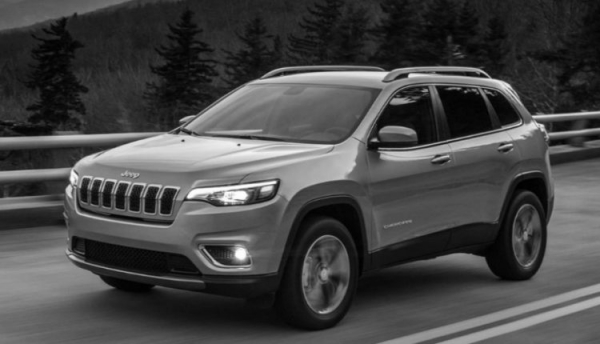
The Grand Cherokee's exterior is striking. It's a classic, rugged SUV that retains its charm over the years. Its massive chrome grille, square hood, and powerful wheel arches give it a commanding, serious look. My car is black, and after a wash, it looks simply monumental. The paintwork is top-notch—it's been around for three years, and there are almost no chips on the body, despite the considerable mileage. Its size (4.8 meters long and almost 2 meters wide) is noticeable in the city: you have to be careful when parking, but on the highway, its massive weight gives a feeling of stability and solidity.
I chose the 20-inch wheels, which probably wasn't the most practical option for our roads. The tires are low-profile, and every joint or pothole reverberates harshly into the cabin. If you plan to drive on anything other than perfect highways, it's better to go with 18-inch wheels with taller tires—comfort will improve dramatically, and you'll be more confident in the wheels' integrity. The LED headlights are powerful. They illuminate the road at night like day, and the high beams simply pierce the darkness. However, the headlights are very sensitive to proper adjustment to avoid blinding oncoming traffic.
Inner world: comfort, materials and nuances
Stepping inside the Grand Cherokee, you realize it's a car on a whole new level. There's tons of space. I bought the five-seater version, so the back seat is practically a bench seat for three adults, with plenty of knee room. The interior trim is top-notch: soft-touch plastic on the dashboard, leather on the seats and steering wheel, and matte wood trim. It all looks expensive and solid. However, over time, some minor issues have emerged: some of the plastic door trims have started to creak over uneven surfaces, especially in winter. It's not a deal-breaker, but it's a bit of a bummer for a car in this class.

The seats are simply magnificent. They're huge, with multiple adjustments, including lumbar support and side bolsters. They're ventilated and heated. Long drives are effortless. The four-zone climate control works efficiently and quickly. In winter, the cabin warms up in minutes. The Uconnect multimedia system with an 8.4-inch screen is one of the best I've encountered. The interface is logical, the response is quick, and the screen is clear. Apple CarPlay connects wirelessly, which is very convenient. The Harman Kardon sound system is a whole other story. The sound quality is stunning, with deep bass and clear highs.
But there are some controversial points. The steering wheel, in my opinion, is a bit too big. The instrument cluster, while informative, looks a bit dated in design – analog gauges next to a digital display. The trunk space is huge, but the loading area has a rather high lip, making loading heavy items difficult. On the plus side, there's a full-size spare tire under the floor, a rarity these days and a big plus.
- Material quality: Overall excellent, but care is required as the soft leather on the central tunnel scratches easily.
- Ergonomics: Most buttons are within easy reach, but some of the all-wheel drive switches are not very conveniently located and require you to bend over.
- Soundproofing: excellent. Engine noise is almost inaudible, and aerodynamic noise only becomes noticeable above 130 km/h.
- Lighting: pleasant atmospheric interior lighting, color can be changed.
- Storage systems: lots of niches and cup holders, everything is thought out for a long journey.
The heart of the car: engines, transmission and road handling
Under the hood of my Grand Cherokee is the renowned 3.6-liter naturally aspirated V6. It's a masterpiece of engineering. Its 295 horsepower is more than sufficient for any scenario. The engine pulls smoothly and confidently from low revs, revealing its full potential in the midrange. It's incredibly smooth and quiet. Fuel consumption is certainly not bad. In city traffic, the computer easily shows 16-18 liters per 100 kilometers. On the highway, at a leisurely pace of 110-120 km/h, I manage 10-11 liters per 100 kilometers. For such a large engine and weight, these figures are reasonable, but you should be prepared for them.

The eight-speed ZF automatic transmission is one of the best in the world. Shifts are lightning-fast and virtually imperceptible. It perfectly understands the driver's intentions: in relaxed driving, it upshifts early to save fuel, and when you press the gas hard, it instantly drops three or four gears for aggressive overtaking. There are several driving modes: Snow, Sand, Mud, Rock, and Auto. The car mostly drives in Auto mode, distributing torque between the axles automatically. I tried Snow mode on packed snow—it worked flawlessly, the car crawled like a tank.
The suspension is independent air with adaptive shock absorbers. This is the key to comfort. In normal mode, it's soft, soaking up all the bumps, and the car floats like a ship. In Sport mode, it stiffens up, reducing roll in corners. The ground clearance can be adjusted from the lowest position for entry to the maximum for off-road driving. But there's an important caveat: air suspension is a complex and expensive component to maintain. The air springs and compressor have a limited lifespan, and replacing them will be quite expensive. I haven't encountered this yet, but I'm monitoring the issue.
All-wheel drive and off-road capabilities
A Jeep is still a Jeep. Even the most "urban" version of the Grand Cherokee has a low-range transfer case and a locking center differential. I'm not an extreme sports enthusiast, but I've ventured into light off-roading a few times: muddy country roads after rain, virgin snow while hunting. The car performed brilliantly. The traction control systems work delicately, not choking the engine, but gently applying the brakes to the slipping wheel. The dive when downshifting is physically noticeable – the car seems to gather itself into a ball and is ready to crawl anywhere. The camera under the front bumper is very helpful – it helps you see where you're going even when the hood obscures your view.

- Selec-Terrain mode: the system actually works, adapting the response of the throttle, gearbox and all-wheel drive to the surface.
- Hill Descent Control: Activated off-road, it automatically maintains a very low speed downhill, preventing the vehicle from accelerating.
- Protection: I have an additional metal protective engine crankcase installed - a must-have option for any trip out of town.
- Towing: The vehicle is certified to tow a trailer up to 3,500 kg. I towed a boat trailer – it felt like there was no trailer, and the traction was plenty.
Operation, maintenance and cost of ownership
The Jeep Grand Cherokee isn't a vehicle for the budget conscious. This needs to be understood from the outset. Scheduled maintenance at an authorized dealer costs 40,000-60,000 rubles, depending on mileage. Engine oil (requires special, approved oil) and filters are expensive. The brake discs and pads are large, and correspondingly expensive. Replacing all the pads and discs can cost over 100,000 rubles. I try to get my car serviced by a trusted independent specialist who understands the specifics of these vehicles; this allows me to save 30,000 rubles without sacrificing quality.
There have been no major breakdowns in three years. There have been minor issues: replacing a tire pressure sensor (a common problem), a jammed radiator grille shutter (the repair cost 15,000 rubles), and an intermittent parking assist system error message (which disappears after cleaning the sensors). The engine and transmission are models of reliability. The main thing is to monitor the condition of the fluids and change them on time. I changed the transmission fluid in the transfer case and axles at 60,000 km, although the official regulations say it's "lifetime"—don't believe it, it needs to be changed.

Consumables worth paying attention to:
1. Air filter. Change it frequently, especially if you drive on dusty roads. The engine breathes deeply and is sensitive to air quality.
2. Spark plugs. Lifespan: approximately 50,000 km. Replacement is labor-intensive on a V6, so it's best left to a specialist.
3. Brake fluid. It is hygroscopic, so be sure to change it every two years.
4. Power steering fluid. Often forgotten, it also ages.
5. Battery. Very powerful, but also expensive. In winter, with short trips and lots of electronics, it can drain.
Tires are a separate expense. 20-inch tires from good brands are very expensive. I switched to premium all-season tires, which is a perfectly acceptable solution for southern Russia. But if winters are snowy, you'll need a second set of alloy wheels, which costs another 150,000 rubles.
Security systems and electronic assistants
My car comes equipped with almost every available safety system. Adaptive cruise control is my best friend on the highway. It not only keeps my distance but also brings the car to a complete stop in traffic, then resumes driving. The collision warning system with automatic braking was triggered a couple of times in the city when someone abruptly changed lanes. It first warns with steering wheel vibration, then, if there's no response, applies the brakes. Lane keeping assist is a controversial feature. On the highway, it's helpful; it applies a little steering if you start to drift out of your lane. In the city, it's best to turn it off, as it can interfere with the driver's control.

Blind spot monitoring and rear cross-traffic alert when reversing out of a parking space are very useful. The night vision system with thermal imaging is an interesting feature, but in practice it's of little use, except perhaps for spotting animals on country roads. Surround cameras and parking sensors are a must-have for a car of this size. The image quality from the cameras is good even in the dark. All these systems, despite their complexity, operate reliably, with no malfunctions.
Final thoughts: is it worth it?
The 2019 Jeep Grand Cherokee is a vehicle with a distinctive character. It's not for everyone. It requires upkeep, careful maintenance, and an acceptance of its size. But the emotions it delivers, the confidence it provides on any road and in any weather, the comfort and sense of status—these are worth putting up with its shortcomings.
This isn't a soulless, perfectly assembled German crossover. It's a vibrant American car with a soul of its own, one that might squeak a little in the cabin, but will also effortlessly haul you up a muddy dirt hill or deliver you in a business-class seat to the other side of the country. For me, it's become more than just transportation; it's a way of life. If you're open to a dialogue with your car, not mindlessly mashing the pedals, if you value space, comfort, and true all-wheel drive, and if your budget allows for such a vehicle, the Grand Cherokee is an excellent choice that will delight you for years to come with its power, reliability, and the unique charisma of an American SUV.
