










Choosing a family car is a responsible task. Three years ago, after extensive comparisons and test drives, we settled on 2019 Hyundai Tucson in the High-Tech trim with a diesel engine. This was a conscious choice in favor of practicality, fuel efficiency, and reliability. Today, with almost 80,000 kilometers on the clock, I can give a detailed and completely honest review of how this Korean crossover fares in real-world Russian conditions, from city traffic to country road trips.
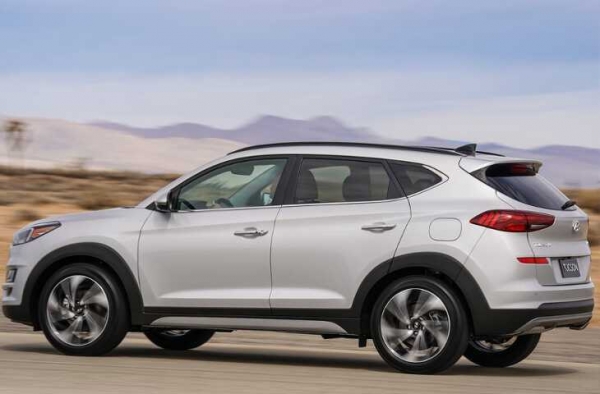
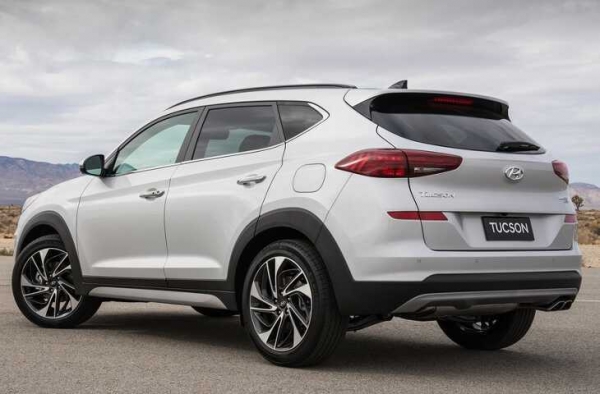
The Tucson's exterior appeals with its understated yet modern design. The cascading grille, sweeping body lines, and stylish LED daytime running lights create a clean, dynamic look, without being overly pretentious. Our paint is a dark gray metallic, which hides minor scratches and dust well. The quality of the bodywork is good: the panels are smooth, and the gaps are uniform. After three years, not a single part has fallen off, worn out, or lost its color. The only minor issue is the rather soft paint on the front bumper, which picks up chips from gravel. We had to install a protective film.

The Tucson's dimensions are ideal for the city. Its 4.47-meter length makes it easy to maneuver and park, and its 1.85-meter width makes it easy to maneuver in tight spaces. Yet, the interior is surprisingly spacious. We're a family of four, and there's plenty of room for everyone. The backseat is no slouch; two adults can comfortably travel long distances there. The 180 mm ground clearance is excellent for light off-roading and high curbs. The car easily navigates garden plots and handles slush in winter.
Interior: functionality, comfort and small pleasures
The Tucson's interior is modern, featuring a clean dashboard, high-quality materials, and an ergonomic layout. The upper dashboard is made of soft-touch plastic, while the door panels and center console are hard but pleasant to the touch. There's no cheap, creaky plastic here. Our trim level includes leather seat trim, and it's proven itself: after three years of active use with children and a dog, there are no scuffs or cracks on the seats. The seats are comfortable, with good lateral support and adjustable height and lumbar support. They are heated and ventilated—a real lifesaver in the summer heat.

The 8-inch multimedia system is one of the best in its class. The interface is intuitive, the screen responds quickly, and there's no lag. Apple CarPlay and Android Auto connect via USB, turning the screen into an extension of your smartphone. It's very convenient for navigation and music. The instrument cluster features a combination of analog speedometer and tachometer, plus a large color display between them that displays a wealth of information, from fuel consumption to driving assist systems. The leather-wrapped steering wheel is comfortable, with buttons for the cruise control and multimedia.
The dual-zone climate control works flawlessly. It warms up quickly in winter and cools effectively in summer. I'd especially like the interior air purification system—it has an antibacterial filter, which is essential for allergy sufferers. The interior is full of clever little touches: USB ports front and rear, illuminated cupholders, a large cooled glove compartment, and an optional wireless phone charging bay. The 513-liter trunk is a huge plus. It fits everything: a stroller, bicycles, and a week's worth of groceries. The trunk floor is height-adjustable, and the rear seatback folds almost flush with it, creating a huge, flat space.

- Assembly: the interior is assembled well; after three years, not a single extraneous sound or squeak has appeared.
- Sound insulation: on hard surfaces it is very quiet, on gravel you can hear the hum of the wheels, but overall the level is decent.
- Lighting: the interior has pleasant white lighting with adjustable brightness.
- Electrically adjustable seats: only for the driver, mechanical for the passenger, which is normal for this class.
- Mirrors: Automatically dimming and heated, fold when the alarm is armed.
Diesel Engine: Economy, Traction, and the Realities of Operation
The heart of my Tucson is a 2.0-liter turbodiesel engine producing 185 horsepower. This was the main reason for my choice, and now I'm absolutely confident in my decision. 400 Nm of torque is available from just 1,750 rpm, meaning the car literally shoots off the line and pulls confidently up any incline without requiring high revs. Overtaking on the highway is easy and safe. The engine is very flexible and powerful.
But the main thing is the phenomenal fuel economy. My average consumption over the entire period is 6.8 liters per 100 km. In the city, in a "home-work-home" mode with traffic, it's 7.5-8 liters. On the highway, at 110 km/h, the computer shows 5.2-5.5 liters. With a full 62-liter tank, the range easily exceeds 800 kilometers. For a family budget, this is a significant savings. The engine is quiet for a diesel, and the characteristic "tractor" sound is almost absent in the cabin, especially after warming up.
The engine is mated to a six-speed automatic transmission. The transmission operates smoothly, without jerking, and shifts on time. There's a manual mode, but I rarely use it—the automatic does everything perfectly. The Tucson has selectable all-wheel drive. Under normal conditions, the car is front-wheel drive. If the front wheels slip, the clutch engages the rear axle. The system works quickly and seamlessly. For light off-roading, snow, and mud, it's more than adequate. There's a locking clutch that can be engaged at speeds up to 30 km/h (18 mph) to navigate challenging terrain.
Diesel engine maintenance: nuances and costs
A diesel engine requires more careful maintenance than a gasoline engine. I strictly follow the maintenance schedule and use only genuine consumables. I change the engine oil and filters every 15,000 km (or once a year). I need a special low-ash oil for diesel engines with a diesel particulate filter (DPF). A DPF replacement and labor cost around 10,000-12,000 rubles. I change the air filter every 30,000 km, and the fuel filter every 60,000 km. The DPF is the most discussed component. To prevent it from clogging, you need to run the engine at high RPMs at least once a week (drive 20-30 km on the highway). I haven't had any problems with it; the regeneration system works normally.
- Fuel: I only fill up at trusted chain gas stations. Diesel fuel quality is key to a diesel's health.
- Glow plugs: I replaced the entire set in the fourth year, before winter, as a preventative measure. Replacement is simple.
- Battery: A diesel engine has a more powerful starter, so the battery must be in perfect condition. For the winter, I connect the terminals to a charger.
- Fluids: I regularly check the level and condition of antifreeze, brake fluid, and power steering fluid.
- Tires: I use two sets – 18-inch summer tires and studded winter tires on steel rims. I change the tires myself; it's easy.
Electronic assistants: from useful to indispensable
The High-Tech trim is loaded with electronic systems, many of which have moved from the "optional" category to the "can't live without" category. Cruise control with Stop & Go is pure magic on long trips and in traffic jams. The car automatically maintains its distance, accelerates, and brakes. Lane Keeping Assist (LKA) gently applies steering input if you start to drift off the lane markings. It's unusual at first, but you eventually gain confidence. The Forward Collision Avoidance Assist (FCA) actually worked a couple of times when a pedestrian unexpectedly crossed a crosswalk. It didn't just beep; it actively applied the brakes.

Blind spot monitoring is extremely useful—a yellow light appears on the mirrors if there's a car in the adjacent lane. Parking assistant with 360-degree cameras and sensors makes parking much easier, despite the car's size. The power trunk with soft-close and foot-operated opening under the bumper is incredibly convenient when your hands are full of bags. Keyless entry and push-button start are a small but welcome feature that you quickly get used to.

Reliability and Overall Impressions: Is It Worth Buying in 2023?
Over three years and 80,000 km, there have been no major breakdowns. Only consumables were changed as scheduled. Nothing leaked, fell off, or burned. The electronics are working reliably. The only thing that required attention was replacing the front brake discs and pads at 65,000 km (the rear ones are still in good condition). The build quality and overall reliability of the 2019 Hyundai Tucson are very high. This is a worry-free car that starts in any weather and is ready to go every day.
The Tucson isn't a flamboyant sports crossover. It's a smart, practical, fuel-efficient, and very comfortable family car. It's ideal for those who value reliability, functionality, and low cost of ownership. It won't impress with exceptional comfort or interior luxury, but it's thoughtfully designed for a comfortable everyday life. For family, city, and long-distance travel, it's one of the best choices in its class. If you're not looking for ostentatious status, but rather a loyal, tireless, and fuel-efficient companion on wheels, the 2019 Hyundai Tucson with a diesel engine is an excellent option that won't disappoint.