








BRUSSELS (AP) — Using underwater drones and ocean-focused satellites, the EU is expanding its network for monitoring the Earth's seas as climate change brings heat waves and stronger storms and the Trump administration plans major cuts to a similar system in the United States.
Thanks to a 92 million euro ($107 million) investment package called OceanEye announced on Wednesday, the EU will be able to lead a global effort to explore the depths of the planet's vast oceans, European Commission President Ursula von der Leyen said.
Oceans are vital ecosystems, covering approximately 70% of the Earth's surface and home to complex webs of life that produce oxygen and absorb greenhouse gases like carbon dioxide. Ocean temperatures are rising rapidly due to climate change, increased storms, and droughts devastating coral reefs worldwide, threatening species, coupled with overfishing and industrial pollution.
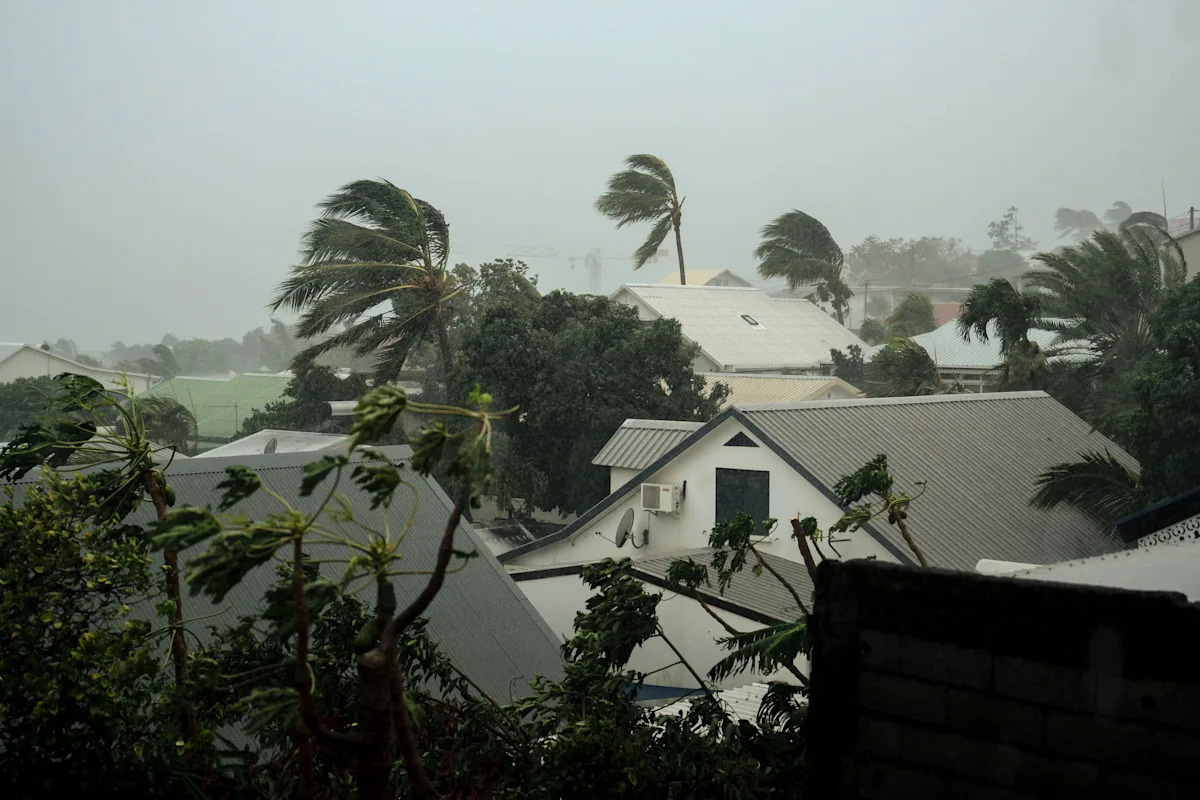
Scientists predict that climate change will lead to more heat waves and severe storms across Europe.
Monitoring the ocean can help protect it by identifying damage and threats to ecosystems, which in turn helps develop regulations to prevent species extinction.
«"It's about using science and effective management to understand our ocean and secure our future," von der Leyen said.
The US is cutting funding
In May, US officials began signaling plans to scale back their Ocean Observatories Initiative, a network of more than 900 oceanographic sensors built at a cost of $386 million that has been collecting real-time data continuously for more than a decade.
The National Science Foundation-funded observatories monitored all aspects of marine life, from ocean circulation and marine ecosystems to climate change and extreme weather events. The resulting data is freely available and has formed the basis for over 500 scientific publications. The project was planned to continue for another 15-20 years.
EU investments were already in preparation when the US funding cuts were announced.
International efforts are organized through the Global Ocean Observing System. The United States collects more than half of this data, Europe about a quarter, followed by Japan, Australia, India, and China.
«"Europe needs to do more," said Pierre-Yves Le Traon, an oceanographer and scientific director of the Mercator Ocean International oceanographic station in Toulouse, France.
By 2035, the EU hopes to cover 35% marine Earth monitoring networks and become the world's leading provider of "ocean information".
The importance of data collection
Robotic sensors underwater and in orbit provide information to organizations such as shipping companies, fisheries, emergency services, and research institutes such as the Mercator Ocean Institute, which is creating a virtual model of the Earth's oceans, updated in real time, called the "Digital Ocean Twin.".
These data are crucial for understanding and adapting to climate change, as well as for a multitude of industries on land and at sea, such as aquaculture, shipping, especially in icy waters, coastal tourism, agriculture and even the navy, Le Traon said.
«"Knowledge is essential if we want to manage the ocean," Le Traon said. "We really need to be very proactive in monitoring and protecting the ocean because the ocean is important to everyone: to life in the sea, to life on Earth.".
Audran Corcoran, a policy adviser at Oceana, said that only by collecting data from the depths of the still relatively unexplored ocean will lawmakers be able to use the data to guide fisheries management, marine conservation, and ecosystem restoration projects.
«"Europe doesn't just need more ocean data; it needs data that will fill the gaps in our knowledge of biodiversity and the seafloor," Corcoran said.
EU funds will be used to establish private incubators for oceanographic technologies and strengthen existing institutions such as the Global Ocean Observing System.
Of the 27 EU countries, 22 have coastlines along the Baltic Sea, the Atlantic Ocean, the Black Sea, and the Mediterranean Sea. France boasts the bloc's largest scientific institutions specializing in ocean studies, as well as extensive maritime borders with overseas territories from Réunion in the Pacific Ocean to Saint Martin in the Caribbean and the Scattered Islands in the Indian Ocean.
___
The Associated Press receives support from the Walton Family Foundation for its coverage of water and environmental policy. AP is solely responsible for all content. For all AP environmental coverage, visit